I’m not here to play nice, I’m here to make change. I work with veterans, teens, career shifters, and anyone who’s ever been told they’re too late, too broken, or too much. I help people rewrite their story when the world hands them a script they never asked for.
I don’t save people. I remind them how to save themselves.
That’s my legacy, and I’m just getting started.
Follow along as I speak truth, challenge systems, and help folks build a life that actually fits.
Connect with Us
Follow us on Medium @YourTrueDirection.
Your journey is yours to shape, take the next step in Your True Direction.
Day 1 of a 7-part series exploring the emotional cost of conditional love, family estrangement, and the quiet strength it takes to heal when those meant to love you choose silence instead.
Sometimes, the loudest absences are the ones that never needed words. This empty chair holds the weight of what was missing.
The Day Love Was Conditional
On what should’ve been one of the happiest days of my life, my wedding, I was met not with celebration, but silence. Not because I didn’t invite my father, but because he chose not to come. He couldn’t support me marrying the man I love. That silence has lasted for 3,116 days.
And it still echoes.
What Is Parental Rejection and Why It Hurts So Deeply
Parental rejection is the denial of emotional, physical, or moral support from a parent to a child. It cuts especially deep when rooted in identity, whether it’s about sexuality, gender, religion, or personal choices. For LGBTQ+ individuals, this kind of rejection can be life-altering.
When a parent turns their back not on your actions, but your essence, it sends one clear message: You are not enough.
The Hidden Weight of Conditional Love
Love that comes with strings attached is not love; it’s control in disguise. It’s the unspoken rule that says, “Be who we want you to be, or else.”
When my father said, “I love you, but…,” I learned that love had conditions. That I had to earn my worth. That my joy came second to his discomfort.
“I Love You, But…” — The Words That Haunt
Those five words are silent daggers. They divide families. They teach shame. They echo for years.
For LGBTQ+ individuals, these statements validate a lie we’ve heard too often: You are not worthy of love unless you conform.
This leads to internal conflict, wanting to be accepted, while also needing to be authentic.
The Long-Term Effects of Being Rejected by a Parent
Here’s what many don’t realize: this pain doesn’t fade. It morphs into:
Anxiety and self-doubt
Fear of abandonment in adult relationships
Difficulty trusting others
Depression and complex trauma
Perfectionism or people-pleasing
Estrangement from family
Loss of cultural or religious identity
We carry it silently until we don’t anymore.
Rewriting the Narrative: Healing Through Self-Acceptance
Healing begins when you stop seeking approval from those who can’t give it, when you stop blaming yourself. When you realize you are worthy of love, just as you are.
I stopped chasing their acceptance and began creating my own definition of family. I chose to love myself the way they couldn’t.
And it changed everything.
7 Ways Parental Rejection Damages LGBTQ+ Children
Shame-Based Identity — Children internalize guilt over something they cannot change.
Mental Health Struggles — Higher rates of depression, self-harm, and suicide.
Loss of Safety Net — Lack of emotional or financial support during critical years.
Estrangement Trauma — Fear of being “cut off” for who they are.
Delayed Self-Acceptance — Many suppress their identity far into adulthood.
Attachment Wounds — Struggles with romantic and platonic relationships.
Life-Limiting Beliefs — “I’m not enough,” “I’m unlovable,” “I’ll be alone forever.”
Resources: Support Systems for Healing and Growth
If you or someone you love has experienced parental rejection, you’re not alone. Here are some powerful resources:
PFLAG — The nation’s largest organization for LGBTQ+ people, their parents, and families.
The Trevor Project — Crisis intervention and suicide prevention for LGBTQ+ youth.
GLAAD — Media advocacy and resources to support LGBTQ+ representation and support.
FAQs About Parental Rejection and LGBTQ+ Identity
Q1: Is it common for LGBTQ+ people to be rejected by their parents? Yes, unfortunately. Studies show nearly 40% of LGBTQ+ youth report parental rejection at some point in their lives.
Q2: How can I begin to heal after being rejected by a parent? Start by affirming your own identity, seeking LGBTQ+ communities, and working with a trauma-informed therapist.
Q3: Should I try to reconcile with my parents? Only if it supports your healing. Reconciliation should never come at the cost of your mental health or authenticity.
Q4: What if my parents say they love me but still don’t support my relationship? That’s conditional love. You deserve to be supported fully, without exceptions.
Q5: Is it okay to set boundaries or go no contact with parents? Yes. Boundaries are essential for healing and safety — especially in toxic dynamics.
Q6: How do I find chosen family or supportive communities? Start with LGBTQ+ support groups, online forums, or local centers. Community is healing.
The Light Beyond the Silence
If your story mirrors mine, know this: You are not broken. You are not unworthy. And the absence of someone at your wedding — or in your life — does not define your value.
The day love became conditional was painful, yes. But it also became the day I chose myself.
Your True Direction is dedicated to empowering individuals navigating life’s transitions. Through inspiring stories and actionable strategies, we aim to help you reclaim ambition, overcome challenges, and thrive in every stage of your journey.
Connect with Us
Follow us on Medium @YourTrueDirection
Your journey is yours to shape — take the next step in Your True Direction.
Day 1 of a 7-part series exploring the emotional cost of conditional love, family estrangement, and the quiet strength it takes to heal when those meant to love you choose silence instead.
Sometimes, the loudest absences are the ones that never needed words. This empty chair holds the weight of what was missing.
The Day Love Was Conditional
On what should’ve been one of the happiest days of my life, my wedding, I was met not with celebration, but silence. Not because I didn’t invite my father, but because he chose not to come. He couldn’t support me marrying the man I love. That silence has lasted for 3,116 days.
And it still echoes.
What Is Parental Rejection and Why It Hurts So Deeply
Parental rejection is the denial of emotional, physical, or moral support from a parent to a child. It cuts especially deep when rooted in identity, whether it’s about sexuality, gender, religion, or personal choices. For LGBTQ+ individuals, this kind of rejection can be life-altering.
When a parent turns their back not on your actions, but your essence, it sends one clear message: You are not enough.
The Hidden Weight of Conditional Love
Love that comes with strings attached is not love; it’s control in disguise. It’s the unspoken rule that says, “Be who we want you to be, or else.”
When my father said, “I love you, but…,” I learned that love had conditions. That I had to earn my worth. That my joy came second to his discomfort.
“I Love You, But…” — The Words That Haunt
Those five words are silent daggers. They divide families. They teach shame. They echo for years.
For LGBTQ+ individuals, these statements validate a lie we’ve heard too often: You are not worthy of love unless you conform.
This leads to internal conflict, wanting to be accepted, while also needing to be authentic.
The Long-Term Effects of Being Rejected by a Parent
Here’s what many don’t realize: this pain doesn’t fade. It morphs into:
Anxiety and self-doubt
Fear of abandonment in adult relationships
Difficulty trusting others
Depression and complex trauma
Perfectionism or people-pleasing
Estrangement from family
Loss of cultural or religious identity
We carry it silently until we don’t anymore.
Rewriting the Narrative: Healing Through Self-Acceptance
Healing begins when you stop seeking approval from those who can’t give it, when you stop blaming yourself. When you realize you are worthy of love, just as you are.
I stopped chasing their acceptance and began creating my own definition of family. I chose to love myself the way they couldn’t.
And it changed everything.
7 Ways Parental Rejection Damages LGBTQ+ Children
Shame-Based Identity — Children internalize guilt over something they cannot change.
Mental Health Struggles — Higher rates of depression, self-harm, and suicide.
Loss of Safety Net — Lack of emotional or financial support during critical years.
Estrangement Trauma — Fear of being “cut off” for who they are.
Delayed Self-Acceptance — Many suppress their identity far into adulthood.
Attachment Wounds — Struggles with romantic and platonic relationships.
Life-Limiting Beliefs — “I’m not enough,” “I’m unlovable,” “I’ll be alone forever.”
Resources: Support Systems for Healing and Growth
If you or someone you love has experienced parental rejection, you’re not alone. Here are some powerful resources:
PFLAG — The nation’s largest organization for LGBTQ+ people, their parents, and families.
The Trevor Project — Crisis intervention and suicide prevention for LGBTQ+ youth.
GLAAD — Media advocacy and resources to support LGBTQ+ representation and support.
FAQs About Parental Rejection and LGBTQ+ Identity
Q1: Is it common for LGBTQ+ people to be rejected by their parents? Yes, unfortunately. Studies show nearly 40% of LGBTQ+ youth report parental rejection at some point in their lives.
Q2: How can I begin to heal after being rejected by a parent? Start by affirming your own identity, seeking LGBTQ+ communities, and working with a trauma-informed therapist.
Q3: Should I try to reconcile with my parents? Only if it supports your healing. Reconciliation should never come at the cost of your mental health or authenticity.
Q4: What if my parents say they love me but still don’t support my relationship? That’s conditional love. You deserve to be supported fully, without exceptions.
Q5: Is it okay to set boundaries or go no contact with parents? Yes. Boundaries are essential for healing and safety — especially in toxic dynamics.
Q6: How do I find chosen family or supportive communities? Start with LGBTQ+ support groups, online forums, or local centers. Community is healing.
The Light Beyond the Silence
If your story mirrors mine, know this: You are not broken. You are not unworthy. And the absence of someone at your wedding — or in your life — does not define your value.
The day love became conditional was painful, yes. But it also became the day I chose myself.
Your True Direction is dedicated to empowering individuals navigating life’s transitions. Through inspiring stories and actionable strategies, we aim to help you reclaim ambition, overcome challenges, and thrive in every stage of your journey.
Connect with Us
Follow us on Medium @YourTrueDirection
Your journey is yours to shape — take the next step in Your True Direction.

You never gave up. Not on me, not on anyone. When the silence got too loud, when the weight of it all became unbearable, you were there. No questions, no judgment – just there. In the darkest moments, when I felt like I was slipping away, your words pulled me back.
Some heroes wear uniforms. Others just show up when it matters most.
Every step tells a story. Every scar holds a memory. Music heals what words cannot.
The Battle That Never Ends
PTSD is a battlefield all its own. It doesn’t come with armor, rules of engagement, or an exit strategy. It doesn’t wave a white flag when the war is over because, for many veterans, the war never truly ends. It follows them home, creeping into their minds, hijacking their emotions, and turning everyday life into a warzone.
Some wounds bleed. Some leave scars. And some, like PTSD, stay hidden – festering in the silence, breaking a person from the inside out.
For veterans, PTSD is not just about remembering the past; it’s about reliving it. The mind becomes a battlefield, where memories become landmines, exploding without warning. A simple sound, a sudden movement, a smell – any of these can send them spiraling back into the warzone they never wanted to return to.
And the worst part? They fight this battle alone.
Jelly Roll’s song Save Me isn’t just music – it’s an anthem of pain, a raw confession of struggle, a cry for help that so many veterans relate to. Because while the world moves on, they remain stuck in a war they never truly left.
Jelly Roll’s voice spilled from the truck speakers as Jake sat on the bridge, gripping the steering wheel so hard his fingers ached.
”Somebody save me…
”Me from myself…”
He exhaled sharply.
The world outside his windshield looked normal. People walking, talking, laughing. How could they not see?
How could those in his life not see the war still raging inside him?
Lost in the night, weighed down by the struggle – holding on feels impossible, but hope is never out of reach.
Drowning in Demons
The whiskey bottle clinked against the guardrail as Jake sat on the edge of the bridge, the cold steel biting into his skin. The city lights below were a blur, cars moving like ants on a highway he no longer felt connected to. The wind whipped against his face, numbing everything except the pain in his chest.
The war had ended, but it never really left him.
His hands shook as he wiped his face. He wasn’t even sure if the moisture on his skin was sweat, tears, or the mist from the river below. Maybe all three.
For years, he had fought to keep himself together. Fought the nightmares. Fought the memories. Fought the guilt. But tonight, he was tired. Tonight, the weight was too much.
“Maybe they were right,” he thought. “Maybe I should’ve died over there with them.”
He pulled his jacket tighter, the wind slamming into his back, urging him forward. One step. One second.
”I’m lost and I’m found, but I’m lonely at the same time…”
God, that line.
It ripped through him like shrapnel. Because that was it, wasn’t it?
Alive, but not living.
Surviving, but lost.
Screaming, but silent.
He squeezed his eyes shut. But when he did, the faces were there. Their faces.
Matthews. Torres. Bishop.
He closed his eyes, and suddenly, he was back in the desert. The heat scorching his skin, the sandstorm whipping around him. The radio crackling with desperate voices.
“We’re taking fire! We need air support – NOW!”
Jake could still hear the panic, the urgency. He remembered gripping his rifle so tightly that his fingers ached. He remembered the deafening blast that sent him flying backward.
And then he remembered looking over and seeing them – his brothers, his family – lying still.
Gone.
He should have saved them.
The bridge creaked slightly as he shifted his weight forward.
“One step,” he told himself. “One step, and it all stops.”
No more nightmares.
No more waking up in a sweat, screaming at ghosts.
No more hearing their voices in his head, begging him to do something – anything – to change what happened.
Jake exhaled, long and slow.
Then his phone buzzed.
He almost ignored it. But something made him glance down.
Davis: “Hey man, I know you’re struggling. Just let me know you’re okay.”
Jake’s breath caught in his throat.
Davis.
The only one who still checked in. The only one who seemed to notice that Jake was slipping away.
His fingers trembled as he typed. He wasn’t even sure why he responded, but he did.
Jake: “Not really, man.”
Within seconds, his phone rang.
He didn’t want to answer. He wanted silence. He wanted the pain to stop.
But somehow, he pressed the button.
“Jake.”
Davis’s voice was steady. No panic, no pity. Just there.
“I know where you are,” Davis said. “I’m coming.”
Jake let out a shaky breath.
“You don’t have to.”
“Yeah, I do,” Davis said. “Just hold on, brother.”
The wind still howled. The river still raged below. But for the first time in a long time, Jake felt something other than pain.
He felt seen.
And for tonight, that was enough.
Climbing Out of the Darkness
Healing wasn’t fast, and it sure as hell wasn’t easy.
Jake started showing up – at therapy, at veteran support meetings, even just for a walk around the block. Each step was a battle, but he kept fighting.
One day, he played Save Me in his truck again. But this time, it didn’t feel like a cry for help.
It felt like a reminder.
”I ain’t no savior, no angel, no saint…”
No, he wasn’t.
But maybe he didn’t need to be. Maybe he just needed to keep going.
Resources for Veterans Struggling with PTSD
If you or someone you know is struggling, you are not alone. Here are some resources that can help:
PTSD affects about 11–20% of veterans who served in combat zones, but many cases go unreported.
2. Can PTSD be cured?
There is no “cure,” but PTSD can be managed with therapy, medication, and peer support.
3. What are the signs that a veteran might be struggling?
Withdrawal, irritability, difficulty sleeping, substance abuse, and signs of self-harm are all warning signs.
4. How can I help a veteran with PTSD?
Be there. Listen without judgment. Encourage them to seek help, but don’t push. A simple check-in can save a life.
5. Does music like Jelly Roll’s Save Me really help?
For many, music provides a way to feel understood. Songs like Save Me give voice to struggles that are hard to put into words.
Call To Action
Jake’s story is real. Maybe his name is different. Maybe his struggle looks a little different.
But the pain? The fight? That’s something too many veterans know all too well.
If you or someone you know is struggling, reach out. A text, a call, a conversation – it could be the lifeline that saves a life.
Because in the end, the words of Jelly Roll’s song ring true:
Somebody save me…
And sometimes, all it takes is one person willing to answer that call.
This is for Chris. This is for every Davis. And this is for every Jake who still needs saving.
About Your True Direction
Your True Direction is dedicated to empowering individuals navigating life’s transitions. Through inspiring stories and actionable strategies, we aim to help you reclaim ambition, overcome challenges, and thrive in every stage of your journey.
About Your True Direction
Your True Direction is dedicated to empowering individuals navigating life’s transitions. Through inspiring stories and actionable strategies, we aim to help you reclaim ambition, overcome challenges, and thrive in every stage of your journey.
More Than Broken: Confronting the Labels That Limit Us
By R. T. Garner
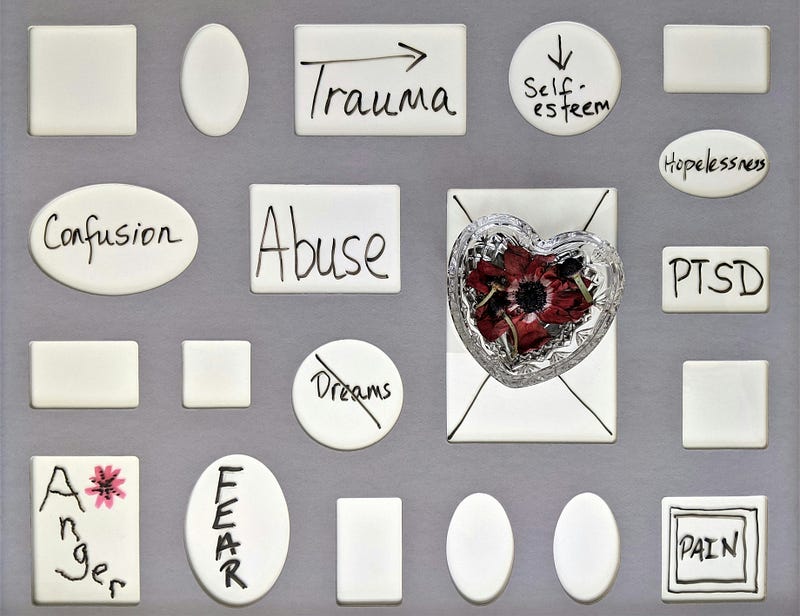
Image by Author
Yeah, I’m awake again. It’s been months since I’ve had a good night’s sleep. Every night, I lie here, staring at the ceiling, running through the same loop of thoughts over and over again. It’s like my mind is a damn broken record, replaying every mistake, every missed opportunity, every time I felt like I wasn’t enough.
Let’s cut to the chase: I have PTSD. There, I said it. I’ve been carrying that label for years now. But here’s the thing — ever since those four little letters got slapped onto my life, everything changed. It’s not just about the nightmares or the flashbacks. No, it’s more than that. It’s the way the world looks at you the moment they hear “PTSD.” It’s the way people start treating you differently like you’re fragile or broken. Like that diagnosis is the only thing that defines you.
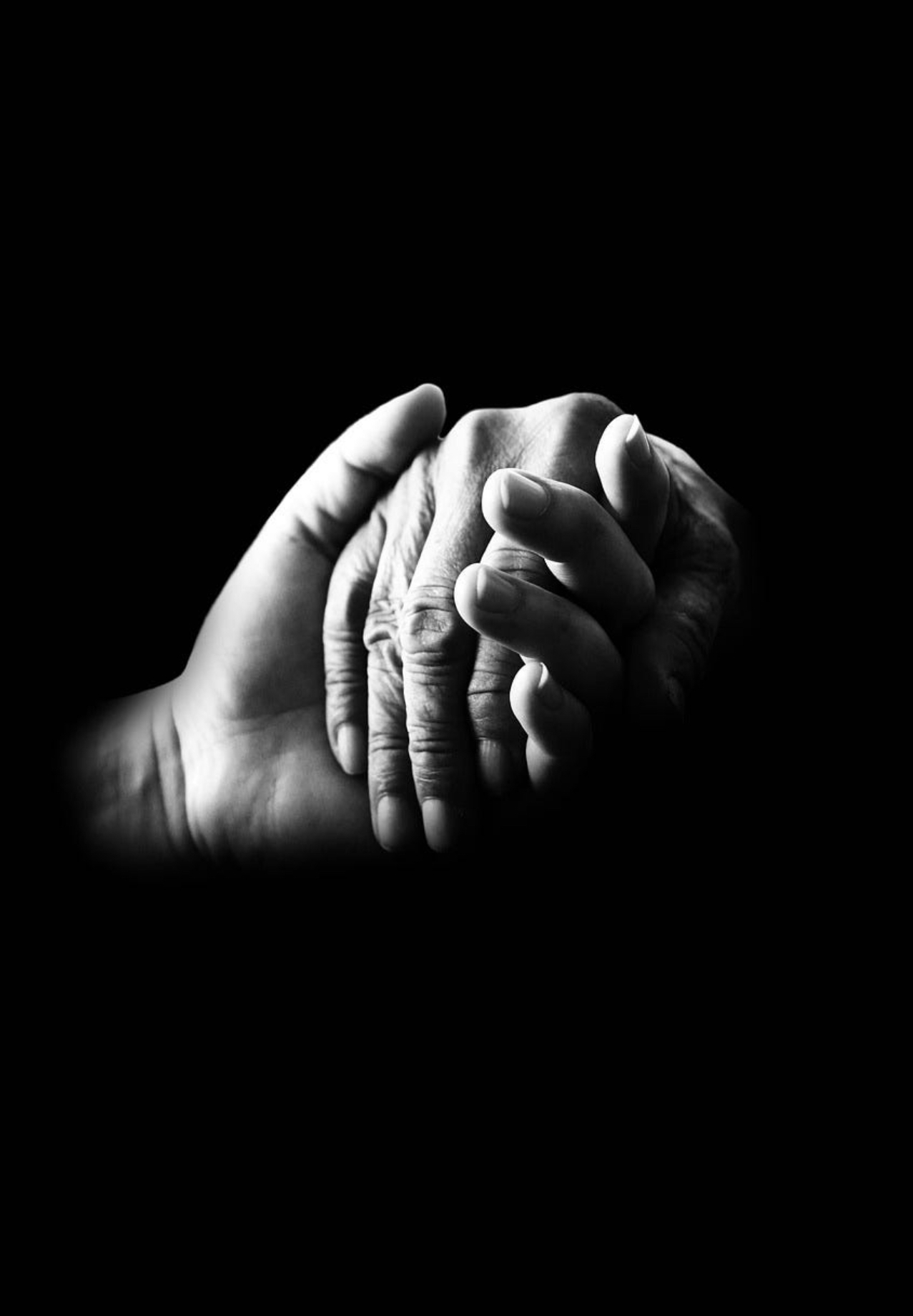
Image by Author
It’s bullshit, but it’s real. Ever since that label got attached to me, it’s like I’ve been fighting to prove that I’m more than those four letters. It feels like everyone looks at me and only sees “damaged goods.” And no matter how much I try to show them otherwise, the doubt lingers. You think it’s hard serving in the military? Try coming home and wearing a label like that. Try fighting against the way people judge you, even when you know you’re more than their damn assumptions.
And you know when it really hit? When my own family started looking at me differently. I haven’t spoken to my family since 2020, and I wish I could say it’s because I don’t love them. But that’s not it at all. The truth? They love me, but they didn’t see me anymore. Every time I looked in their eyes, I saw it — the doubt, the pity, the way they thought I needed to be “fixed.” No matter how many times I tried to tell them, “Hey, I’m not broken; I don’t need you to fix me,” they kept coming at me like I was something less. That shit hurts, man. It drags you down. It’s like being punched in the gut every time you walk into the room.
So I stopped talking to them. Yeah, it wasn’t easy, but you know what? Since then, I’ve been happier. I cut that negativity out, even if it came from the people I love. But the scars are still there. The truth is, I’m sick of being defined by PTSD. I’m sick of people looking at me like that’s all there is to me. And I’m really fucking sick of being judged by people who don’t even know the first thing about what I’ve been through.
Look, I know people say, “Don’t compare yourself to others.” But let’s be real — when you’re stuck at the bottom when you’re doing everything you can to move forward, and nothing’s happening, it’s impossible not to compare. I see people I went to school with — people who had the same opportunities as me — moving up in the world. They’re congressmen, doctors, lawyers, CEOs. And here I am, applying for jobs that I’m more than qualified for, only to be told I don’t have the right experience. Or worse — being told that my military leadership doesn’t translate into the real world.
It’s not that I’m not trying. Hell, I went back to school, I earned three master’s degrees, and I’ve applied for countless jobs. But every time, I hit the same wall. I’ve been told I’m not “corporate” enough. Not “qualified” enough. People look at my résumé and shrug, like the years of experience; the blood, sweat, and tears mean nothing. Meanwhile, I see people with half my experience stepping into roles I could crush.
You want to know what it’s like to have PTSD? It’s not just the bad dreams. It’s the way the world labels you. It’s the way you get put in a box the second they hear those letters. You get judged, second-guessed, doubted. And after a while, you start to question yourself. You start to wonder if maybe they’re right. Maybe I’m not good enough. Maybe this is all I’ll ever be. But here’s the truth: it’s all bullshit. It’s their limited beliefs, their judgment, and their inability to see beyond a label.
And you know what? I’m done letting that label define me. Yeah, I have PTSD, but that’s not the whole story. It doesn’t mean I’m broken. It doesn’t mean I’m any less of a leader or any less capable. If anything, it means I’ve been through some serious shit, and I’m still standing. But the world doesn’t get that. Employers don’t get that. Even people I thought knew me don’t get that.
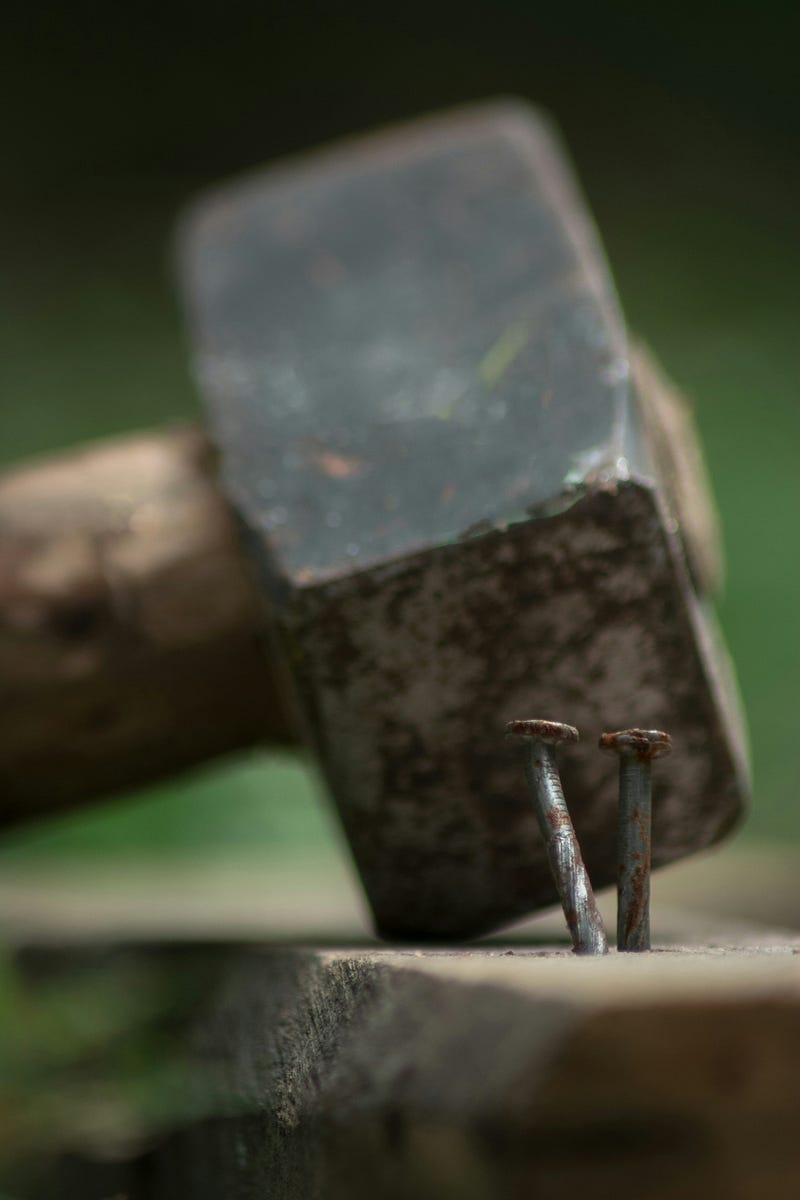
Image by Author
I’ve been fighting this fight since 2010. I’ve been second-guessed, doubted, judged. And it’s not just strangers — it’s people I thought were supposed to have my back. That’s what hurts the most. When people you love look at you and only see what’s “wrong,” when they can’t see the person behind the diagnosis. I don’t talk to my family anymore, and yeah, I miss them. But I couldn’t take the constant judgment, the constant feeling like I was something broken that needed to be fixed.
People think they know what PTSD is. They think it’s just flashbacks or waking up in a cold sweat. But it’s so much more than that. It’s the constant battle in your mind. It’s the overthinking, the self-doubt, the way you can’t shut off your thoughts. It’s the look in people’s eyes when they don’t see you anymore; they just see the letters. It’s the feeling of always being underestimated, no matter what you’ve accomplished.
But here’s the thing: I’m still here. I’m still fighting. And I’m tired of being judged for what I’ve been through. I’m tired of being defined by something I can’t control. I’m tired of comparing myself to others when I know I’m doing everything I can to move forward. Yeah, I’m struggling. But I’m not broken. I’m not a victim. I’m not some damaged vet who needs fixing. I’m a person who’s been through hell and is still showing up every day, even when it feels impossible.
So yeah, I’m sharing this because I’m done pretending. I’m done acting like I’m okay when I’m not. But more than that, I’m done letting anyone — whether it’s my family, employers, or anyone else — tell me who I am. I’m more than a diagnosis. I’m more than PTSD. And if you’re reading this and feeling the same way, know this: You’re more than your diagnosis, too.
The world can slap as many labels on us as it wants, but at the end of the day, it’s up to us to decide who we are. So yeah, I’m tired. But I’m not giving up. And if that’s all I’ve got right now, then that’s enough.
Soar Beyond Narcissistic Parenting — Reclaim Your Life
By Aiden Cross
We built upon setting boundaries, cutting the need for their approval, and finding support outside the toxic cycle in the last section. That’s how you start breaking free. But, well, the thing is — freedom is not all about cutting ties with them; it is about building a life that’s truly yours. It is now time to shift from mere survival to out-and-out thriving.
Stop seeking their approval:
You’ve spent so much time and energy trying to get something that you will simply never get — your narcissistic parent’s approval. Well, let me tell you something: you don’t need it. Not now, not ever. Their validation doesn’t define you, and it also doesn’t mean anything is wrong with what you are doing because of their lack of validation. You don’t need them to tell you that you’re on the right track. You’re living your life, and that’s all that truly matters.
So stop giving them the power to make you question yourself.
Success should be on your own terms — define it this way:
Narcissistic parents love to make one feel like one is failing unless one meets their preposterous standards. But here is the thing: success is not what they say it is. It is what you say it is. If success for you means finding peace, pursuing a career you love, or building healthy relationships, then you get to decide what that looks and feels like. You get to decide what success means to you, and you get to stop playing by their rules.
Celebrate your successes, big and small.
Thriving means acknowledging the distance you’ve gone. Every step you take towards getting back on your feet — even if it seems like a tiny step — is a win. Today, did you stand up to them? That is a win. Did you get to do something without questioning your mind for once? Another win. Celebrate those moments, for they are proof that you are no longer in their control. You’re building what you deserve, and that’s something worth celebrating every damn day.
Live Your Life Unapologetically:
Let’s get one thing straight — you’ve wasted enough time apologizing for who you are, trying to fit into the mold your narcissistic parent made for you. No more. You don’t owe anyone an explanation for living your life on your terms. You want to travel? Do it. You want to cut off toxic people? Done. You want to go after that dream they said you’d never achieve? Hell yes.
It is time to stop living your life for them and start living it for yourself.
You Got This
Let me put a wrap on this: leaving a narcissistic parent is far more than just helping yourself get out of an abusive situation; this is about reclaiming everything they sought to take away from you — confidence, independence, your damn self-respect. You have been living too long in the shadow of their manipulation, and now it is time for you to step forth into the light.
It won’t be easy, and there are going to be setbacks. Some days, you’re going to feel like you slip right back into those old grooves of doubt and fear. But here’s the thing: you’ve already survived the worst of it. You’ve already proved you’re strong enough to endure. Now it’s time to take that strength and build something better — something they can’t touch. You are definitely worth more compared to their criticism, more beyond their controlling grasp, and sure as hell worth more than their distorted need for power. You are an individual unto yourself who can make decisions, thrive, and live a life that’s always been due to you.
So, what’s holding you back? Drown their voice in your head and raise yours so that it’s the loudest. You got this. It’s time to live like you mean it — unapologetically, authentically, and having full control. Time to un-fuck your life from their grip and take what is yours.
In the last section, we exposed how narcissistic parents work overtime to undermine your autonomy and keep you dependent on their approval. If you’re feeling like your confidence has taken a hit, you’re not imagining it — this is exactly what they want. Now, let’s talk about the emotional consequences of their manipulation. Spoiler alert: it’s not pretty.
The Emotional Impact:
If you’ve been raised by a narcissistic parent, the emotional scars run deep. We’re not just talking about a couple of tough conversations. We’re talking about years — maybe decades — of being told you’re not enough, that you don’t know what you’re talking about, and that your feelings don’t matter. That kind of messaging doesn’t just roll off your back. It sticks.
Here’s how that constant undermining leaves its mark:
Self-Doubt Becomes Your Norm
When your parent keeps hammering the idea that you “don’t understand,” you start internalizing it. You second-guess every decision you make. You don’t trust your own judgment. Even when you’re doing something completely unrelated to them, their voice is in your head, making you wonder if you’re about to mess it all up.
Narcissistic parents plant seeds of doubt in your mind from a young age, ensuring that you remain dependent on their approval. Over time, this undermining makes it almost impossible to trust your own instincts. Whether it’s a career choice, a relationship, or a minor decision, that nagging voice tells you that you’ll never get it right.
You Fear Conflict Like the Plague
Let’s face it — narcissistic parents are exhausting. Every disagreement turns into a drawn-out battle where they have to come out on top. Eventually, you stop trying to stand up for yourself, because it’s just easier to avoid the fight. But guess what? That fear of conflict follows you into other relationships, leaving you afraid to speak up even when you know you’re right.
You learn that any time you stand up for yourself, it’s going to lead to drama, accusations, or emotional manipulation. Over time, you start to avoid confrontation altogether. Whether it’s with friends, partners, or co-workers, you shy away from asserting yourself because of the trauma of those endless battles growing up.
Trust Issues Galore
Narcissistic parents destroy your ability to trust — not just others, but yourself. When your emotions are constantly invalidated, and you’re told your perspective doesn’t matter, it becomes harder to open up to anyone else. You start to believe that no one will truly respect or understand you.
The constant manipulation and invalidation you’ve experienced make it difficult to trust the intentions of others. Relationships become fraught with doubt, and you may find yourself questioning whether anyone truly has your best interests at heart. Worse, you start to doubt your ability to evaluate people or situations, leading to a cycle of insecurity.
Anxiety and Depression? Oh, They’re Here
Constantly being invalidated and emotionally manipulated doesn’t just leave you with hurt feelings — it can lead to full-blown anxiety or depression. You feel stuck, helpless, and convinced that nothing you do will ever be enough. Sound familiar? Yeah, that’s what growing up under a narcissistic parent does.
Living under the constant pressure of a narcissistic parent wears down your mental health. The unpredictability, the emotional manipulation, and the constant gaslighting all add up. Over time, you might find yourself dealing with chronic anxiety, feeling constantly on edge, or slipping into depression as you struggle to break free from their grip.
You’re probably feeling the weight of all this emotional baggage, and trust me, you’re not alone. But it’s not over yet. In the next part, we’re going to talk about how to break free from their grip. It’s time to stop giving them control over your life and start taking back your power.
Last time, we exposed the sneaky truth behind the phrase, “You’re not a parent, so you don’t understand.” It’s more than just dismissive — it’s a weapon in the narcissist’s arsenal of control. This time, we’re diving even deeper to uncover how narcissistic parents use manipulation to keep you doubting yourself and stuck in their cycle of power plays.
Here’s the Harsh Reality:
Narcissistic parents are all about staying on top, and they do it by cutting you down at every turn. It’s not about raising you to be independent or strong — it’s about keeping you dependent, weak, and always questioning your own worth. Why? Because the moment you realize you can think for yourself, their control over you begins to crumble. They can’t have that.
So, what’s their game plan? Simple — they sabotage your confidence and keep you in a constant loop of self-doubt.
Undermining Your Independence: The Power Play Behind “You Don’t Understand”
Every time they throw out the line, “You don’t understand because you’re not a parent,” what they’re really saying is, “Stay in your place. I’m in charge. You’re just the kid.”
This is more than just a dismissive comment — it’s a tactic to belittle your perspective and reinforce their dominance. It’s a not-so-subtle way of saying, “Don’t even try to have a different opinion, because my status as ‘the parent’ trumps whatever you think.”
Make no mistake, this isn’t about parental wisdom or experience. It’s about keeping you small and in your lane, always beneath them. It’s about making sure you never feel like you have the right to challenge their authority or make decisions for yourself.
Emotional Manipulation at Its Finest: Twisting Reality to Keep You in Check
Narcissistic parents thrive on emotional manipulation because it’s their number one tool for control. They don’t just want to win the argument — they want you to feel like you’re fundamentally wrong for even thinking differently.
When they drop phrases like “You don’t understand,” it’s not just shutting down the conversation. It’s a tactic to deflect any real dialogue and keep the focus on their superiority. They’ll twist your words, make you second-guess yourself, and deflect any responsibility. The goal is simple: to make you question your reality, leaving you scrambling for their approval.
It’s gaslighting, plain and simple. And it’s meant to keep you confused, off-balance, and always under their thumb.
Destroying Your Confidence: The Silent Sabotage
Here’s the brutal truth — after years of hearing that you “don’t understand,” you start to believe it. Slowly but surely, your confidence erodes. You second-guess your decisions. You doubt your instincts. And that’s exactly what they want.
Narcissistic parents aren’t interested in your growth or self-assurance. They’d rather keep you insecure because that’s when you’re most vulnerable. That’s when you’re most likely to turn to them for validation, for permission to trust your own judgment.
This is their endgame: to keep you questioning yourself so they can maintain control over you. It’s a subtle but powerful form of sabotage that leaves deep scars.
Break the Cycle: Recognize the Game They’re Playing
This isn’t just a family dynamic — it’s a game, and narcissistic parents play to win. But once you recognize their tactics, you can start to break free. Seeing through the manipulation is the first step in reclaiming your independence, your confidence, and your sense of self.
Now that we’ve called out how narcissistic parents keep you down, it’s time to talk about the damage it causes. In Part 3, we’ll unpack how this constant emotional manipulation takes a toll on your self-esteem, your trust in others, and your mental health. Spoiler: the fallout is messy, but we’re going to face it head-on and figure out how to heal.
Let me cut to the chase: every time the line is dropped, “You’re not a parent, so you don’t understand,” it’s not some sort of esoteric knowledge they’re trying to impart, which only parents have; it’s a tactical move. It’s a way to silence one before they get to say their piece. We plunge into what is actually happening when this sentence is thrown out, and it’s not pretty: manipulation, plain and simple.
But what that actually means is, “You’re not a parent, so you don’t count.” What that really means is, “I’m going to dismiss your opinion because I don’t want to be challenged.” It’s not about the complexities of parenting — it’s about control. Above all, narcissistic parents brandish this phrase as a weapon to maintain their authority, shut down dissent, and make sure you stay in your place. They don’t want to teach you anything; all they want to do is save their ego at your expense.
The thing is, you don’t need kids to understand life, relationships, or emotions. But the narcissistic parents are going to cling to this for dear life and make it their one and only trump card to invalidate your thoughts and feelings. They want you to believe that because you’re not a parent, you’re somehow less qualified to speak on matters. Let’s call that BS.
Your lived experiences, your emotions, your insights — they don’t count to them, never having had a child notwithstanding. Narcissistic parents do not care about that. They have absolutely no interest in how one feels or what one has to say. What they do care about is topping every argument, keeping control, and reinforcing the notion that you must always give in to them. This is done to keep you in doubt at just that level where you keep quiet.
This isn’t a casual throwaway line but a premeditated move in some bigger game. It’s about power: narcissistic parents use this phrase as a declaration of dominance, to make crystal clear that they hold the expertise and that, for some reason or another, you are somehow beneath them. And over time, this line eats away at your confidence. You start to wonder whether your perspective counts for anything at all. You begin to question yourself, thinking, “Perhaps they are right; maybe I’m the one who just doesn’t get it.” But don’t fall for it.
What’s Next?
Now that we have peeled back the layers around this manipulative phrase, let’s dig deeper. In the next part, we will discuss how narcissistic parents don’t stop at the one-line deliveries but have a complete set of tactics to keep you doubting yourself and undermine any kind of independence from them. Think that was bad? Wait until we unpack their full strategy.
“Being brave isn’t the absence of fear. Being brave is having that fear but finding a way through it.” — Bear Grylls
In the last article, we delved deep into the concept of silent strings — those invisible, limiting beliefs we’ve either inherited or created over time. Whether imposed by society, family, or even our own inner critic, these strings have a way of tying us down, keeping us small, and silencing our potential. We explored how these beliefs can operate beneath the surface, dictating our choices, our fears, and our identity. For many, these strings feel so deeply embedded, they go unnoticed — becoming the quiet background music of our lives. But awareness is just the beginning.
Now that we’ve started to see these strings for what they are, the next step is to cut them. And that’s where reckoning with truth comes in. In this chapter, we’re diving headfirst into what it means to confront the reality of who we are — beyond the expectations, the judgments, and the neatly packaged roles we’ve been told to play. It’s about having the courage to look at those silent strings head-on, challenge the beliefs holding us back, and, most importantly, take the leap into owning our truth.
In this article, “Reckoning with Truth,” we follow Alex’s journey as he confronts his own limiting beliefs, not just from others but from within. This is the moment where theory becomes action, where the tension between who we’re expected to be and who we actually are finally snaps.
Transformation and Resilience — “The Courage to Rise”
“Authenticity is the daily practice of letting go of who we think we’re supposed to be and embracing who we are.” — Brené Brown
Reckoning with Truth: Alex Confronts His Reality
Everyone hits that point eventually. The moment when enough is just enough. For Alex, it wasn’t some dramatic breakdown or Hollywood-style meltdown. No, it came with a quiet, persistent whisper inside his head: “What if?” What if he stopped hiding? What if, just once, he told the truth — not to make others feel better but to be honest with himself? What if he quit caring about everyone else’s opinions and just owned who he was?
It wasn’t some easy epiphany. It wasn’t some overnight transformation. There was a lot on the line — his parents’ approval, the comfort of staying in the shadows, the false sense of security that comes from playing it safe. But Alex finally grasped a harsh reality: living a lie isn’t really living. It’s barely surviving. And seriously, who wants to drift through life half-dead just to keep other people comfortable?
So, there he was. Family dinner, the usual dull conversations about the weather, neighbors, and some cousin’s wedding nobody cared about. But Alex knew it was time to stop the charade. Tension had been bubbling under the surface for years, and now it was about to boil over.
“Mom, Dad, there’s something I need to say.” His voice was steady, but inside, his heart was a riot. You know that feeling when your pulse pounds so loud it drowns out your thoughts? That was Alex, sitting at that table. This was it — the moment that would change everything.
And of course, his father — stone-faced, eyes sharp, sitting at the head of the table like a king ready to pass judgment — picked that moment to stir the pot. “Alex,” he started, his voice a gruff growl, “what’s this nonsense about moving to the city? You’ve got responsibilities here. Don’t be stupid and throw your life away.”
Perfect timing. A golden opportunity, delivered on a silver platter. Alex’s gut twisted, but the door had swung wide open, and there was no turning back. They’d been trapped in this twisted dance of expectations for years, but tonight? Tonight was when the music stopped.
“Dad,” Alex said, a deep breath tearing at his lungs, “I don’t want that life. I need to be honest. I need to be me.”
Boom. Silence. Deafening, uncomfortable silence. The kind that hits you like a punch in the gut and makes the room feel smaller, like the walls are closing in. His mother’s eyes darted to her husband, fingers twitching nervously. His father’s face? Cold, unflinching, hard as stone. “What the hell are you talking about?” he spat, a mixture of disbelief and anger.
“I’m gay,” Alex said, the words trembling but firm. “And I’m done hiding it. I’m done pretending to be someone I’m not.”
You know that feeling when a bomb goes off, and for a moment, everything is just quiet? That’s what happened. Those words didn’t just hang in the air; they cracked the foundation of that family, shook the walls of everything they’d pretended to be. His father’s face turned a shade of red that screamed rage. His mother? She couldn’t even look up. Time seemed to freeze, with the damn clock ticking on like none of this mattered.
“If you think I’m going to watch you ruin your life — ” his father began, voice full of venom.
“No!” Alex snapped, something primal rising inside him, something raw he hadn’t even known was there. “I’m not ruining anything. I’m choosing my life. My life, Dad. Not yours.”
The room felt suffocating. His mother’s hand reached toward him, her eyes filled with unshed tears. But Alex wasn’t reaching back this time. This wasn’t about her. This wasn’t about his father. This was about him — taking back his story, tearing down the fake narrative he’d been living for far too long.
“I know this isn’t what you wanted for me,” he continued, his voice stronger now. “But it’s who I am. And I can’t keep pretending.”
It was messy. It was painful. But here’s the thing: pain is part of the deal. Growth is never smooth; it’s gritty, it’s uncomfortable, and it sure as hell isn’t pretty. But that’s where the magic happens — in the raw, real moments when you stop playing it safe and start being honest.
And then, something shifted. A flicker of something in his father’s eyes — was it fear? Confusion? Whatever it was, it wasn’t what Alex had prepared for.
“Fine,” his father muttered, his voice cold and tight. “Do what you want. But don’t expect me to understand.”
Not exactly a Hallmark moment of acceptance. But not the complete rejection Alex had braced himself for either. It was something. Fragile, shaky, but a step forward. And in that moment, with everything laid bare, Alex felt a strange mix of relief and sadness. It wasn’t over. The fight had just begun. But it was a start. A step toward truth. A step toward himself.
Poem: “Unseen Battles”
It’s not the battles you see that tear you apart, But the ones that rage deep in your heart. The words unsaid, the truth denied, The fear that keeps you stuck inside. But there comes a time when you can’t play small, When you have to rise and risk it all. Speak your truth and face the fire, Live unchained, chase your desire. The battle is hard, but so are you, You weren’t made to live untrue. Fight that fight, no matter how rough, Because being yourself is more than enough.
Reflection: Owning Your Truth is Messy — But It’s Worth It
Let’s cut the crap: being honest with yourself is hard. I’m not talking about those feel-good social media moments. I’m talking about the raw, no-bullshit truth that forces you to look in the mirror and confront the fears, insecurities, and lies that have kept you small. It’s not glamorous, but it’s necessary.
Here’s the cold truth: when you step into who you really are, you’re going to piss some people off. And guess what? That’s okay. You don’t need everyone’s approval. You never did. What you need is to live in a way that makes you proud. So, let people judge, let them misunderstand — that’s their problem, not yours.
On the other side of fear and discomfort? Freedom. The kind you can’t put a price on. The kind that lets you breathe easy because you’re living life on your terms. Yeah, it’s scary. It’s messy. But damn, it’s worth it. You in?
Reflection Questions:
Have you ever had to face a hard truth? How did it feel before, during, and after?
What unseen battles are you avoiding? What’s holding you back from confronting them?
How can you find the courage to speak your truth in a way that honors both yourself and others?
Practical Steps for Owning Your Truth:
Identify Your Truth: What are you hiding from? Write it down. Why does it matter?
Prepare for the Fallout: Consider how others might react. Practice your truth with someone you trust.
Find Your Support: Whether it’s friends, therapy, or a community, find people who accept you for you.
Courage isn’t about the absence of fear. It’s about feeling the fear and doing it anyway. You’ve got this.
“You are not defined by the limits others place on you. Break the chains, rewrite the narrative, and move boldly into the life that is waiting for you.”
I find it ironic how life works sometimes. This week, I’ve been deep into the Strings Unbound series, especially this piece on limited beliefs – the kind that keep children with disabilities or those identifying as LGBTQ+ locked in a box of low expectations and stereotypes. Then, on my way home from the gym tonight, a song came on the radio that I hadn’t heard in years: Rascal Flatts’ “I’m Movin’ On.” Funny how the universe speaks to you, isn’t it? Here I am, thinking and writing about breaking free from limiting narratives, and then this song, with its powerful message of release and self-liberation, starts playing.
It hit me hard – how perfectly “I’m Movin’ On” encapsulates what this blog is all about. The lyrics speak to the same battle against the chains that hold us back, whether they’re put there by society, family, or even ourselves. When Rascal Flatts sings, “I’ve dealt with my ghosts and I’ve faced all my demons, finally content with a past I regret,” it mirrors the struggle many face when grappling with the limited beliefs imposed on them from a young age. It’s about confronting those inner demons – the voices that tell us we’re “not enough” or “less than” – and finding peace with the past, however painful it may be.
Another line that jumped out at me was, “I’ve found you find strength in your moments of weakness.” This resonates deeply with what I’ve been writing. When you’ve been told all your life that you’re not capable, that you’re somehow broken, it’s easy to feel weak and powerless. But like the song suggests, it’s often in those moments of doubt and vulnerability that you find your true strength. This is exactly what the blog is about: recognizing the power within to break free from the toxic stories and beliefs that have been forced upon you.
The chorus really drives it home: “I’m movin’ on, at last, I can see / Life has been patiently waiting for me.” It’s such a powerful line – one that perfectly aligns with the call to action in this blog. It’s about deciding that you’re no longer going to let the bullshit narratives of others dictate your life. Life, in all its vast potential, is out there waiting for you to claim it – on your terms, not someone else’s.
The connection between “I’m Movin’ On” and this discussion on limited beliefs is undeniable. Both the song and the blog push us to move past the labels and expectations that have kept us stuck, to see our own worth, and to step boldly into a future that we define for ourselves. Whether it’s through a song that catches you off guard or a blog post that challenges your thinking, the message is clear: Break the chains. Rewrite your story. And keep moving on.
Let’s Get One Thing Straight: Limited Beliefs Are Bullshit.
“Children are not things to be molded, but people to be unfolded.” — Jess Lair
Let’s be real: society loves to throw labels and limits on anyone who doesn’t fit the “normal” mold, and kids are the ones who bear the brunt of it. From day one, kids with disabilities or those identifying as LGBTQ+ are hit with a barrage of opinions, stereotypes, and straight-up bullshit that boxes them in. What might seem like harmless advice or “concern” often turns into deep, toxic cuts that shape how they see themselves and what they think they can achieve. These aren’t just little speed bumps — they’re massive roadblocks that screw with their self-esteem, mental health, and sense of self-worth.
The truth is, those limits aren’t facts — they’re lies. And those lies sink in deep, wrapping themselves around young minds like chains. This article dives headfirst into the impact of those limiting beliefs, showing how they twist potential into doubt and possibility into fear. But more importantly, it’s about unlearning all that crap, tearing up the scripts handed down by a narrow-minded world, and stepping into a truth that’s been buried for far too long. If you’re ready to challenge the BS, cut the strings, and create a space where kids are seen for who they truly are — powerful, capable, and whole — then buckle up. It’s time to break free.
The Impact of Limited Beliefs on Children with Disabilities or Identifying as LGBTQ+: Unchain Yourself from the Bullshit
By R. T. Garner
“To be yourself in a world that is constantly trying to make you something else is the greatest accomplishment.” — Ralph Waldo Emerson
From the moment we’re born, everyone’s got their opinions, right? Parents, teachers, society at large — they all throw their two cents in, especially when it comes to kids who don’t fit the “normal” mold. And if you’re a kid with a disability or one who identifies as LGBTQ+, those beliefs aren’t just annoying background noise — they’re deep cuts that shape your entire existence. Imagine growing up being told over and over that you’re “less than” or “not enough.” It’s like trying to swim with weights strapped to your feet. It doesn’t take long before you think, “Why even bother?”
When kids constantly hear that they’re not up to par, that crap sticks. It digs in deep, becoming this messed-up part of their internal monologue. Suddenly, they’re questioning their worth, their potential, and their right to even exist as they are. Studies back this up: Kids who grow up under the shadow of limited expectations — those “you’ll never be enough” narratives — often end up with low self-esteem, anxiety that makes life feel like a never-ending storm, and a sense of self that’s totally warped. They don’t see themselves as capable or worthy; they see themselves as fundamentally flawed.
Jamie’s Story: Breaking Free from Bullshit Labels
Let’s talk about Jamie, diagnosed with ADHD at seven. His parents didn’t know what the hell to do, so they slapped on labels like “challenged” and “incapable,” thinking they were just being realistic. His teachers weren’t much better — lowering the bar for him, letting him scrape by, and basically deciding for him what his limits were. No one bothered to ask, “Hey, maybe Jamie’s brain works differently, and that’s not a bad thing.” The message was clear: Stay in your box. Don’t aim too high.
By high school, Jamie was tapped out. College? A future career? Why bother when everyone’s already told you that you’re not cut out for it? But here’s where it gets interesting — a mentor came along who didn’t buy into the bullshit. This person didn’t just tell Jamie he was worth more; they showed him, giving him a mirror to see his own potential. And that’s when Jamie realized something powerful: He wasn’t stuck with the script everyone else wrote for him. He could rewrite it, tear it up, and start over. That’s the power of having someone see you for who you really are — not for the labels slapped on you by people who should’ve known better.
The Poison of Limited Beliefs: Recognize It, Reject It
Here’s the cold, hard truth: Limited beliefs are like poison. They creep in slowly, disguised as stereotypes, low expectations, or straight-up discrimination. Kids soak them up like sponges, molding themselves to fit into tiny boxes others have created. For LGBTQ+ kids, it’s even worse. The world tells them — in a million little ways — that they’re “wrong” or “sinful” or “unnatural.” And those lies? They dig deep. Depression, anxiety, and even suicidal thoughts — those aren’t just words on a page. They’re the scars left behind by society’s refusal to see these kids as whole and worthy.
But let’s be clear: Limited beliefs aren’t facts. They’re stories — bullshit stories passed down through generations or cooked up by people who think they’ve got life all figured out. For a kid who’s “different” — whatever the hell that means — these stories can feel like an iron cage. And when you internalize that garbage, you start living small. You avoid stepping out of line, terrified of failure, ridicule, or just existing in a world that doesn’t know what to do with you.
Dr. Elena Cruz on How Beliefs Shape Lives
“Kids are like sponges — they pick up on everything around them,” says Dr. Elena Cruz, a child psychologist who’s seen it all. “If a parent keeps hammering in that their kid is ‘never going to be good enough,’ guess what? That becomes the kid’s internal narrative. They start believing that about themselves. And that belief shapes every choice they make — from the subjects they choose in school to the friends they keep, to the way they speak up (or don’t) in meetings as adults. Breaking free from that mess isn’t easy. It requires a supportive environment, education that empowers them, and sometimes, therapeutic intervention to help rewrite those toxic beliefs. It’s about creating a new script — one where they are not the problem, but the solution.”
Here’s the Bottom Line: Dismantle the Damn Lies
Limited beliefs aren’t just someone else’s problem — they’re everyone’s problem. They’re sneaky and insidious, and they’re a hell of a lot harder to shake off than people think. But here’s the thing: It doesn’t have to be this way. When we challenge these beliefs — whether in our homes, schools, or communities — we create space for kids to see themselves in a whole new light. To realize they’re not “less than” or “broken” but powerful, unique, and absolutely capable of greatness. So, next time you catch yourself about to place a limit on someone — especially a kid — think again. Because those limits? They don’t belong to them; they belong to us. It’s time to let that crap go.
Picture this: A child with a disability is constantly told they’re fragile, weak, or “special.” What happens? They start to believe it. They play it safe. They don’t push themselves because somewhere deep down, they think they’re not strong enough, smart enough, or just plain “enough.” They internalize the message that they need protection, that they’re not capable of standing on their own. Or think about a kid who identifies as LGBTQ+ in a community where that’s not “normal.” They hear it in a thousand little ways: from the jokes in the locker room, the side comments at family gatherings, or the sermons on Sunday mornings. And slowly, that shit seeps in. They start to wonder if they’re broken, wrong, or somehow less than everyone else. And it’s all because of someone else’s small-minded beliefs. It’s the death by a thousand cuts — tiny remarks, looks, and whispers that add up to a big, ugly lie that they aren’t worthy of love, respect, or success.
Hidden Truths
They told me who I was before I knew, Defined my worth in shades untrue. A life constructed on someone else’s fears, Building walls with every word I hear.
But deep inside, a truth remains, Unseen, unheard, it breaks the chains. Not fragile, not weak, not something to mend, But powerful, fierce — a force with no end.
So here’s to breaking rules and burning lies, To finding strength beneath the disguise. Your truth is yours — fuck what they say, You’re not here to fit in; you’re here to slay.
This poem, “Hidden Truths,” is all about the internal struggle and the power of rewriting your story. It’s about rejecting the narratives that others have tried to force on you and stepping into your own truth. Your journey to break free starts now — don’t let anyone else hold the pen.
Reflection: Challenge the Beliefs Holding You Back
Alright, let’s cut to the chase: What stories are you still carrying around that are keeping you small? What beliefs are weighing you down, holding you back, and making you think you’re not enough? These aren’t easy questions, but they’re the ones that change everything. If you want to unfuck your life, you’ve got to start by unfucking your mind.
Look, we all have those inner voices that whisper crap like, “You’re too much,” or, “You’ll never be good enough.” They’re like broken records playing on a loop in your head, and they’re not just annoying — they’re destructive. But here’s the kicker: Those voices aren’t real. They’re echoes of someone else’s limited thinking, and it’s up to you to shut them down. They’re the ghosts of other people’s fears and insecurities that somehow got tangled up in your story. But guess what? They don’t belong there. If you want to change your life, you’ve got to challenge every belief that’s telling you you can’t.
Ask yourself: Where did these beliefs come from? Who handed them to you? Was it your parents? Some crappy teacher who told you you’d never amount to anything? Society that’s been spoon-feeding you limitations since you were old enough to understand words? And why the hell are you still carrying them around like they’re some sacred truth? If it’s not serving you, it’s time to drop it like a bad habit. Reframe the story.
Here’s the truth: This is your life, your journey. Don’t let anyone else’s bullshit beliefs decide how far you go. If you think you’re not smart enough, strong enough, talented enough — whatever the hell “enough” even means — you’ve got to flip the script. Because the only way to unfuck yourself is to get real with yourself. Look those beliefs dead in the eye and ask, “Who says? Who made this rule, and why the hell am I following it?”
Actionable Steps:
Self-Audit: Make a list of the beliefs that have been imposed on you. Reflect on how they have influenced your choices.
Redefine Your Story: Write down new, empowering beliefs that you want to adopt.
Find a Support System: Surround yourself with people who see your potential and encourage you to grow beyond limitations.
Take back the pen. Write your own damn story. And don’t let anyone tell you who you are or what you’re capable of. It’s time to break free.
“The greatest prison people live in is the fear of what others think.” -David Icke
This series explores the struggle of breaking free from the heavy chains of societal and family norms that dictate who we should be and how we should live. It delves into the emotional and psychological battles faced when choosing authenticity over conformity, highlighting the courage required to challenge deeply ingrained beliefs and expectations. Through personal stories, reflections, and powerful imagery, the series encourages readers to confront their fears, question their internalized beliefs, and take bold steps toward living their truth.
Introduction:
Let’s cut the crap: we’ve all got strings tying us down. You know what I’m talking about – the expectations from society, family, and even the ones you’ve piled on yourself. These are the invisible chains holding you back from who you really are. Whether it’s the pressure to fit in, the fear of being judged, or just the daily grind of keeping everyone happy, these strings are keeping you stuck. But here’s the kicker: you’ve got the power to cut those strings and break free. All you need is to grab the damn scissors.
This series isn’t some feel-good fluff. It’s a wake-up call. It’s here to shake you out of your slumber and remind you that the only person who can change your life is you. We’re diving deep into what it takes to be resilient, authentic, and rise above the bullshit that’s been thrown at you from day one. You’re going to see stories of breaking out of toxic family cycles, learning to trust yourself, and finding out what it really means to live unchained. These are stories of people like you who got tired of everyone else’s rules and decided to live life on their own terms. And each one is paired with a poem that hits right where it hurts – because sometimes, you need the right words to wake the hell up.
Let’s not sugarcoat this: life’s tough. The road to breaking free isn’t some smooth, easy ride. It’s full of bumps, bruises, and straight-up bullshit. But every step of the way is worth it. This series is here to show you that the only path worth walking is the one that leads you to your real, unfiltered self.
So, are you ready to get real? Ready to cut the strings and unleash the badass you’ve been holding back? Grab a drink, buckle up, and get ready for one hell of a ride. Let’s do this.
Part 1: Early Struggles – “Stormy Seas
“Your silence will not protect you.”-Audre Lord
The Weight of Silence
Let’s cut through the noise: everyone knows what it’s like to lug around a secret so heavy it feels like it’s crushing you. It’s like carrying a rock in your gut every damn day. And why do we do it? Because in a world where everyone’s got their heads up their own asses and their eyes on everyone else, standing out isn’t just risky – it’s downright dangerous. So, what do most people do? They shut up, blend in, and bury anything that makes them “different” deep, deep down, hoping it never sees the light of day.
But let’s be real: faking it every day? That shit will wear you down to nothing. Pretending to be someone you’re not isn’t just a hassle – it’s soul-sucking. You smile, nod, and laugh at jokes that aren’t funny just to keep the peace, keep the friends, keep your damn head above water. At home, it’s more of the same. Your parents? Not the bad guys – they love you, sure – but they’ve got their own set of rules on how you’re supposed to live your life. For them, “success” means coloring inside the lines. No waves, no risks, and definitely no room for anything that doesn’t fit their picture of “normal.”
So, you keep quiet. Seems easier, right? Better than rocking the boat and finding yourself tossed out. But here’s the brutal truth: staying silent is its own special kind of hell. Every night, when the world goes quiet and you’re left alone with your thoughts, the weight of what you haven’t said presses down like a thousand-pound brick. What if you just let it all out? What if you said what you really feel, who you really are? Scary, yeah – but not half as scary as living a life that isn’t yours.
“The Weight of Invisible Chains”
In the dead of night, where thoughts run deep,
Lies a voice that’s tired, longing to speak.
Tied down by rules, by what others say,
Dying a little more, day by day.
Invisible chains, binding tight,
Made of expectations, fear, and fright.
But beneath the silence, a fire burns,
Waiting for the moment, the tide to turn.
Break those chains, cut that cord,
Freedom’s a risk, but it’s one worth fighting for.
The weight of silence, heavy and cold,
But your truth? It’s pure fucking gold.
Reflection: The Emotional and Psychological Impact of Hiding Your True Self
Let’s get real: silence feels safe, but it’s the biggest lie you’ll ever sell yourself. Pretending to be someone else isn’t just exhausting – it’s deadly. It’s like wearing a mask that gets tighter and tighter until one day, you can’t remember what your own face looks like. And why do we do it? Fear. Fear of rejection, fear of pissing people off, fear of being seen for who we really are. But the cost of staying silent? Way too fucking high.
When you’re not being yourself, you’re not living – you’re just surviving. You miss out on real connection, real happiness, and a real sense of who you are. Breaking that silence takes serious guts. It’s not just about saying, “This is me.” It’s about tearing down every damn belief that was forced on you and building something real in its place.
Misconceptions and Myths About Breaking Free from Societal Norms
Time to bust some myths that keep people chained up:
1. Myth: “It’s better to fit in than stand out.”
Nope. Fitting in just means shrinking yourself to make others feel good. Screw that. The world needs people brave enough to be real. Being yourself is hard, but it’s the only way to live a life that’s actually yours.
2. Misconception: “You can’t be yourself and still be loved.”
Bullshit. If someone only sticks around when you’re pretending to be something you’re not, that’s not love – that’s control. The ones who matter will love you, flaws and all. If they don’t? Don’t let the door hit them on the way out.
3. Myth: “Once you speak up, everything gets easier.”
Wrong again. At first, it might get harder. People don’t like it when you flip the script on them. You might lose some folks, piss others off. But what’s the alternative? Keep quiet and suffer? Not a chance.
4. Misconception: “Your parents or community always know what’s best for you.”
Hell no. They know what’s best for them, what keeps them comfortable. But that doesn’t mean they know what’s best for you. Only you can decide what makes you feel alive.
5. Myth: “There’s a right time to break free.”
Nope. There’s never a “perfect” time to unleash your truth. There will always be fear and doubt. The right time is when you decide you’re done living a lie. That’s when you say, “F**k this,” and start living for yourself.
Challenge: Where Are You Staying Silent?
So here’s the challenge: where in your life are you still biting your tongue? Where are you holding back because you’re afraid of what might happen if you don’t? What if you just said it? Yeah, it’s scary as hell. But the moment you stop carrying that weight, that’s when you start to unfuck yourself. Speak your truth, even if your voice shakes. Especially if it does. That’s how you break the chains.
They were children, young and bright, Dreams like stars in the quiet night. But in their homes, those dreams grew thin, Boxed in by the beliefs held within.
Jonah loved the sky so wide, With planets and stars he could not hide. But his parents saw him through a narrow frame, Autism became his only name.
“Be realistic,” they softly sighed, And Jonah’s dreams began to die. He learned to lower his hopeful gaze, Caught in their well-meaning, fearful haze.
He stopped speaking of the stars above, Became a stranger to his own love. His spirit dimmed, his world shrank small, Trapped in a diagnosis, behind a wall.
Across town, Emily faced her fight, Her truth unfolding in the soft moonlight. Bisexual, she whispered in the dark, But her parents’ hearts couldn’t bear the spark.
They saw her truth as a storm to outlast, Hoping it was something that soon would pass. “Maybe in time, you’ll see what’s right,” But Emily’s world became wrapped in night.
She lived two lives, her spirit split, Hiding herself just to fit. Her love and dreams, locked away tight, Shame and fear clouding her sight.
Their homes, meant to be safe and warm, Became places of silent, internal storms. Their parents, loving but lost in belief, Gave them a world built on fear and grief.
But there’s more to Jonah than a label’s mark, More to Emily than a love kept dark. They are not the limits their parents see, They are endless oceans yearning to be free.
Let us learn from the stories they tell, Of how belief can lift or build a shell. For every child deserves a space, Where they are loved, not put in place.
So may we see them whole and true, Not what we fear, but what they pursue. For in their dreams, their hopes, their flight— They hold the world in their own right.
“I am not what happened to me, I am what I choose to become.”
-Carl Jung
When asked of choices, hardest in my life, I spoke without pause, without a knife— Leaving my family was the choice I made, Not from desire, but a path I had to pave.
As a veteran scarred by battles unseen, With PTSD, my life became a screen— A lens through which they could not see, A person beyond a diagnosis, beyond the debris.
For years, I tried to make it right, To show them the man beyond the fight, But I saw myself fading in their eyes, Trapped in a version they’d idealize.
To stay would mean losing who I am, A soul drowned by what they couldn’t understand. Choosing myself meant stepping away, From love that had turned to a suffocating cage.
I chose my sanity, my right to be whole, Not just a “condition” with limits to control. For every moment of doubt they instilled, I sought to reclaim the truth that they killed.
Their love was filtered through fear and disdain, They couldn’t see past the scars, only the pain. Every bad day was a symptom to fix, Not a moment of humanness they could coexist.
I was never a problem; I was never a disease, Yet in their eyes, I was never set free. To love them was to change, to bend and to break, But my spirit needed more than they could ever remake.
I remember my sister’s words, her cold plea, “He just wants us to change for him,” said to me. Yet they tried to mold me into what they could bear, Not a person who fought battles, but someone to repair.
The hypocrisy stung, but it opened my eyes, To the limits they set, to the narrative I defied. My dreams were dismissed, capped by their doubt, But I chose a life where my spirit could shout.
It wasn’t easy, the choice to depart, It came with grief, tearing at the heart. But I missed what family should be, not what it became, A space where love was free, not a diagnosis’ name.
I don’t miss the judgment or the toxic weight, The feeling of being “fixed” for their sake. I chose to walk away, to seek my own light, To build a life where I could freely write.
Now, I’m not just PTSD; I’m a person alive, With dreams to chase, with strength to survive. I’ve found a freedom in choosing my path, In stepping away from what bound me to wrath.
Do I love them? Yes. Do I miss them? True. But not the narrative that kept me askew. I reclaimed my story, my worth, and my peace, By choosing myself, I chose to be free.
So when asked of the hardest choice I’ve made, It was leaving behind what love had decayed. It was choosing a future where I define my worth, Where I am whole, where I walk my own earth.
I chose to live fiercely, to love without chains, To refuse to be boxed by others’ refrains. To honor my journey, each scar and each breath, I chose to be free, and it saved me from death.
When life knocks us down, it often forces us to ask: Who am I really? Am I just the sum of everything that’s happened to me, or can I choose to be something different? This question is at the heart of Carl Jung’s powerful words: “I am not what happened to me, I am what I choose to become.” It’s a reminder that, no matter what we’ve been through, we have the power to redefine ourselves. This message comes to life in the poem “I Chose to Be Free,” which tells the story of a veteran’s courageous decision to break away from the confines of family and societal expectations in order to reclaim their true self.
The poem takes us through the raw and real journey of someone living with PTSD – a reality that’s often misunderstood by those around them. It paints a picture of what it means to be seen only through the lens of trauma and to feel trapped by the labels others impose. But like Jung’s quote, the poem is about more than just the pain of the past; it’s about the bold choice to step away from those limiting definitions and rewrite one’s own story. Both the poem and the quote remind us that our identity isn’t fixed by what’s happened to us; it’s something we can choose and create, moment by moment.
“I am not what happened to me, I am what I choose to become.” — Carl Jung
I Chose to Be Free
When asked of choices, hardest in my life,
I spoke without pause, without a knife –
Leaving my family was the choice I made,
Not from desire, but a path I had to pave.
As a veteran scarred by battles unseen,
With PTSD, my life became a screen –
A lens through which they could not see,
A person beyond a diagnosis, beyond the debris.
For years, I tried to make it right,
To show them the man beyond the fight,
But I saw myself fading in their eyes,
Trapped in a version they’d idealize.
To stay would mean losing who I am,
A soul drowned by what they couldn’t understand.
Choosing myself meant stepping away,
From love that had turned to a suffocating cage.
I chose my sanity, my right to be whole,
Not just a “condition” with limits to control.
For every moment of doubt they instilled,
I sought to reclaim the truth that they killed.
Their love was filtered through fear and disdain,
They couldn’t see past the scars, only the pain.
Every bad day was a symptom to fix,
Not a moment of humanness they could coexist.
I was never a problem; I was never a disease,
Yet in their eyes, I was never set free.
To love them was to change, to bend and to break,
But my spirit needed more than they could ever remake.
I remember my sister’s words, her cold plea,
“He just wants us to change for him,” said to me.
Yet they tried to mold me into what they could bear,
Not a person who fought battles, but someone to repair.
The hypocrisy stung, but it opened my eyes,
To the limits they set, to the narrative I defied.
My dreams were dismissed, capped by their doubt,
But I chose a life where my spirit could shout.
It wasn’t easy, the choice to depart,
It came with grief, tearing at the heart.
But I missed what family should be, not what it became,
A space where love was free, not a diagnosis’ name.
When someone asked me this week? “What was the hardest choice you had to make in life?” I didn’t hesitate to answer. It was the decision to leave my family behind. Not because I wanted to, but because I had to. As a combat veteran living with PTSD, I faced a reality where the people who were supposed to love and support me unconditionally began to see me only through the narrow lens of my diagnosis. For years, I struggled with the decision. I tried to make things work, tried to get them to see me for who I really am—a person, not a problem. But it became clear that staying would mean losing myself. I had to choose between preserving my sanity, my identity, and my well-being or remaining in a relationship that had become toxic and damaging.
Leaving my family wasn’t about giving up on them; it was about choosing myself. It was about recognizing that the environment was no longer healthy for me. When you have PTSD, every part of your life is scrutinized and filtered through that lens by people who don’t understand what it means to live with it. Every bad day or moment of vulnerability was turned into an issue to be corrected rather than a natural human experience to be understood. My family saw my struggles as symptoms of my “condition,” not as challenges that I was facing with courage and resilience. I was never seen as someone who could thrive or grow; I was only seen as someone with a “problem” to be managed.
This constant pathologizing of my life became more than just frustrating—it became deeply toxic. It’s one thing to live with PTSD, but it’s another to have it constantly weaponized against you by those who are supposed to be your biggest supporters. It is isolating and damaging when every emotion, every decision, and every action is judged based on your diagnosis. It strips away your humanity and makes you feel trapped in a narrative that isn’t yours. It undermines your self-worth and makes you question your reality. You start to wonder if maybe you are just a “problem” after all. That kind of toxicity seeps into your soul, making you doubt yourself and your capacity to live a full, authentic life.
I still remember one particularly jarring moment when my sister said, “He just wants us to change for him.” I was struck by the irony and hypocrisy in that statement. For years, they tried to change me—tried to mold me into someone they could understand or feel comfortable with. They wanted me to fit their narrative of what a person with PTSD should be like. They wanted me to change how I expressed myself, how I lived my life, and how I handled my emotions. They wanted me to be “fixed” in a way that suited them, without ever truly understanding what I needed. The real change I was seeking wasn’t for them to become different people—it was for them to stop reducing me to a diagnosis and start seeing me as a whole person. The hypocrisy in their expectation that I accept their version of support, while dismissing my need to be seen and respected for who I am, became too much to bear.
It wasn’t just about the judgment; it was also about the limitations they tried to impose on me. They told me what I could and couldn’t do, what kind of job I should have, what kind of relationships I should pursue, and what my goals should be—all based on their perception of PTSD. It was as if they decided my potential had a ceiling that I could never break through. My dreams and ambitions were dismissed, overshadowed by the stigma of my diagnosis. They couldn’t see beyond their fears and misconceptions, and I couldn’t keep living under the weight of their expectations and doubts.
It took years of inner conflict, of weighing my love for them against the need to protect myself, to come to the decision to walk away. The choice wasn’t easy, and it wasn’t made lightly. I went through countless moments of doubt, guilt, and fear. I missed them—I still do. I miss the idea of what family should be: a place of unconditional love, understanding, and support. I miss the times we could just laugh and talk without the shadow of PTSD hanging over every interaction. But what I don’t miss is the toxic relationship, the feeling of being misunderstood and judged, or the constant attempts to “fix” me when there was nothing broken in the first place.
Choosing to walk away was the hardest decision I’ve ever made because it meant accepting that my family could not give me what I needed—a safe, supportive space where I was seen as more than my diagnosis. It meant accepting that, as much as I love them, our relationship was causing me more harm than good. I had to choose my own mental health, my own growth, and my own happiness over the comfort of familiarity. I had to choose to prioritize myself over their expectations and judgments.
Since making that choice, I’ve felt a profound sense of freedom and relief. I no longer live under the weight of their perceptions or their need to control how I should live my life. I have built a life where I am more than my PTSD—a life where I am a survivor, a combat veteran, a person with ambitions and dreams that I am actively pursuing. I have found strength in choosing myself and in reclaiming my narrative.
I have rebuilt my life, found new meaning, and achieved things I never thought possible. I’ve taken on challenges, both personal and professional, that my family never believed I could handle. I’ve proven to myself that I am not defined by PTSD but by my resilience, my strength, and my capacity to grow beyond it. Walking away wasn’t about abandoning my family; it was about embracing my right to be seen as a whole person. It was about creating a life where I am not limited by others’ fears or misconceptions but defined by my courage and determination to live authentically.
Do I still love my family? Yes. Do I miss them? Absolutely. But do I miss the toxic relationship? No, I don’t. I don’t miss being reduced to a diagnosis or being treated like someone who is broken or incapable. I don’t miss having my dreams dismissed or my worth questioned. Choosing to walk away allowed me to see myself clearly, to understand my value, and to embrace my potential. It allowed me to step away from a narrative that wasn’t mine and to reclaim my story on my terms.
So, when asked, “What was the hardest choice you had to make in life?” my answer is clear. It was choosing myself over my family. It was choosing to leave behind what was holding me back and stepping into a future where I could define my worth, my path, and my peace. It took years to come to that decision, and it came with a lot of grief, but it was the best decision I ever made. I chose to live fully, to love myself fiercely, and to refuse to be boxed in by a single chapter of my past. I chose to be free.
“Brave men rejoice in adversity, just as brave soldiers triumph in war.” — Lucius Annaeus Seneca, Roman philosopher.
Empowering Veterans
In the summer of 2009, Sam, an American soldier, started dealing with symptoms of post-traumatic stress disorder. Though he was diagnosed with PTSD by doctors in 2009, he initially denied its existence and avoided discussing it with anybody, despite their insistence. It was terrifying for him because he was worried about what his family and friends would think and how his diagnosis would affect him.
As a soldier, he continued driving on until a particular day in the summer of 2009, four years following his departure from Iraq’s battlefield. The exact cause behind this turning point is still unknown to Sam. Perhaps it was the sight of the young Soldiers’ remains that he helped collect after an IED explosion obliterated their vehicle, knowing deep down that they would never reunite with their loved ones. It could also be attributed to the time of year, as it coincided with the haunting memories of Iraqi children covered in blood and innocent victims of a market bombing in Balad, Iraq.
Despite being unable to pinpoint the exact trigger, he felt an intense tightening in his chest out of nowhere one evening in 2009, making breathing difficult. He felt enclosed and overwhelmed by panic in a way that made him get out of bed instantly, convinced he would die. Although he considered going to the emergency room, he found solace in his military training, which urged him to persevere. His morning began with panic, fear of confinement, claustrophobia, and tightness in his chest. When that moment came, he wondered whether he might have had a heart attack. He needed to seek medical attention if that was the case.
He returned home to Sarasota after his medical retirement. There, he realized that while he no longer burdened the Army, he was now one of those who were most important to him: his family and friends. Like many others, he hid himself to avoid being seen as another broken ex-soldier. In contrast to what he expected, those around him provided help that worked against him instead.
In the darkest hours of the night, memories of recovering the bodies of his comrades haunted him. Iraqi children were tragically killed, and the blood on his uniform is still an unforgettable memory for him. While he enjoyed his family’s company during the day, he found himself confronted by the faces of many family members of those who had lost their lives, and he continued to be haunted by the loss of fellow soldiers.
He sought help because he grew tired of not being there while battling his inner demons. The moment had arrived for him to return home for real. His peer support specialist at the VA informed Sam of a coffee social (peer mentor group) provided by Goodwill Manasota Veterans Services. Unlike the many doctors and therapists he had met before, these groups truly helped Sam bring everything into focus.
Except for other combat soldiers, Sam felt that no one else truly understood the weight of his experiences. He sought out fellow soldiers who wore combat patches to find solace and mutual understanding. Together, they formed a tight bond, grappling with the immense weight of the deaths, destruction, and pain they had seen firsthand. Before, they felt isolated, fearful of seeking aid, and burdened by the haunting memories that plagued them.
Peer-to-peer mentoring is a highly effective method for developing and honing leadership abilities, gaining insights from others, and establishing a support network. This entails forming a partnership with individuals with comparable aspirations, obstacles, or interests and engaging in a reciprocal exchange of feedback, guidance, and motivation. Peer-to-peer mentoring has thus been a valuable resource for Sam and other veterans, providing many benefits. Here are just a few:
Benefits of Peer-to-Peer Mentoring for Veterans:
1. Development of a sense of camaraderie and belonging:
Veterans can connect through peer-to-peer mentoring programs, combating feelings of isolation during the transition back to civilian life. Peer Mentors provide a sense of community and understanding during the transition — supporting the veteran and easing the transition.
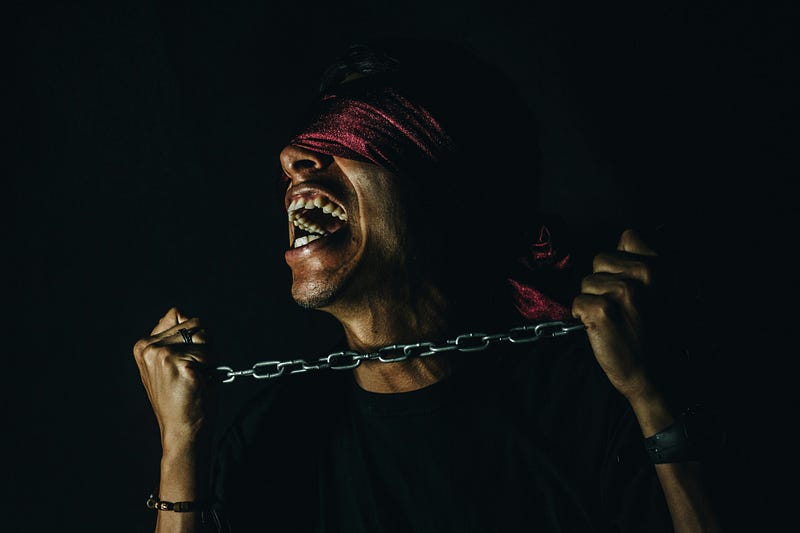
2. Provision of emotional support and the reduction of feelings of isolation:
Transitioning from military to civilian life is emotionally challenging for veterans. Peer mentors provide a safe space for veterans to express themselves, reducing isolation and helping them process their experiences. This support encourages veterans to seek help when needed.
3. Transfer of practical knowledge and skills:
Experienced peer mentors help mentees with careers, education, finances, and resources. They share their knowledge and lessons to support veterans in transitioning to civilian life and succeeding.
4. Enhancement of personal growth and self-confidence:
During peer mentoring, veterans explore strengths, develop new skills, and set personal growth goals. Mentors encourage their mentees to challenge themselves, take on new responsibilities, and aim for excellence. With peer mentors, veterans can gain confidence, recognize their potential, and achieve post-military goals.
5. Facilitation of successful reintegration into civilian life:
Veterans who take part in peer-to-peer mentoring receive aid in navigating civilian life, finding jobs, and accessing healthcare. Mentors reduce stress and increase their chances of success in civilian roles.
6. Improved mental health outcomes:
As veterans transition to civilian life, they often experience mental health issues. Peer mentors provide veterans with a safe and supportive space to express their concerns. Having a mentor improves veterans’ mental well-being and reduces mental health risks. They help veterans seek help, practice self-care, and develop coping strategies. Mentors share their journeys and offer support.
Sam has also joined another group through Goodwill Manasota Veterans Services called Lutz Buddy Up. They meet regularly to share experiences and provide support. They provide a safe environment where everyone can share their challenges and successes. During his time in these groups, he has gained advice on navigating the job market, adjusting to civilian life, and dealing with the emotional effects of those with similar experiences. Transitioning to civilian life has been challenging for veterans; however, together, they support each other through this process.
We are social beings, and our well-being depends on our interactions with others. For veterans transitioning to civilian life, peer-to-peer mentoring is crucial. During this challenging time, programs like Lutz Buddy Up and Goodwill’s Coffee Social provide support. In this new chapter, veterans can receive help from practical advice and emotional support from a mentor group. As long as these programs are funded, all veterans can get the help they need during their transition.
Imagine this: after serving in the military, leading soldiers in battle, and handling significant duties, your parents still see you as if you were perpetually youthful. Their ongoing disapproval, excessive control, and unwillingness to acknowledge your progress and freedom can erode your confidence and self-esteem. Despite your achievements, you may feel the constant need for affirmation and acceptance from individuals who are incapable or unprepared to see you as anything beyond their offspring.
Have you experienced being relegated to the children’s table even as an accomplished adult? Regardless of your successful career and impressive educational background, do your parents continue to treat you like a child, disregarding your achievements and diminishing your capabilities? This issue, often stemming from a lack of parental recognition or a reluctance to move forward, can greatly affect your mental, physical, and emotional health, as well as your relationships with your parents and others.
The implications of this situation can have significant effects. Mentally, individuals might grapple with feelings of inadequacy, imposter syndrome, and a continual drive to demonstrate their worth to others. The emotional burden of being treated as a child by one’s parents can result in feelings of resentment, frustration, and a sense of being confined to a role that no longer suits them. Physically, the stress and emotional strain of continuously seeking validation and acknowledgment can manifest in various ways, affecting overall health and wellness.
Furthermore, the effect of this phenomenon of being relegated to the “kids table” goes beyond how you interact with your parents. The absence of acknowledgment and independence can hinder your capacity to develop balanced and equitable relationships with others. Your quest for independence, for the liberty to shape your own identity, can restrict your ability to assert yourself in different social and professional situations, perpetuating a pattern of reliance and uncertainty.
Overcoming this cycle calls for bravery, self-reflection, and a readiness to establish independence and personal limits. It may entail communicating clear boundaries with your parents, seeking therapy to address and work through the emotional stress linked to being treated like a child, and surrounding yourself with people who encourage and support your development.
Keep in mind that your personal worth and significance are not dependent on how your parents see you or their approval. You have the freedom to shape your own identity, acknowledge your achievements, and carve out your own path for the future without being held back by past influences. It’s time to step into adulthood and fully embrace your true self.
In summary, overcoming the challenges associated with the “kids table” syndrome can be a difficult and intricate process, yet it is crucial for your personal development, health, and self-fulfillment. By acknowledging the influence of parental infantilization, asserting your independence, and seeking assistance when necessary, you can regain control over your own decisions, reshape your connections, and embrace your capacity as a capable, autonomous individual.
I come to you seeking to open your mind, Yet all too often, what I find, Is someone convinced they can refine.
I may appear irrational, overly emotional, and unstable, But all I ask is for you to sit at the table, And listen without turning the situation into a fable.
Instead, you persist in driving home the stigma, Trying to pry out the nail with your enigma, Offering unwanted advice like an imposing enigma.
The perpetuation of power imbalances and inequalities, Is something you pound in, with some trivialities, Perhaps feeling as helpless as me, amidst these formalities.
All I seek is a listening ear, No need for a facade or veneer, It’s about fostering a connection that’s sincere.
It’s about effective communication, Navigating through the misinterpretation, Yet you persist in hammering, causing further alienation.
I acknowledge my own challenges, But your fixation on them becomes a barrage, Why do you disregard my desires for our dialogue?
You shift the focus to the nail, Failing to see beyond that veil, Missing the depth of what I entail.
I value those who can engage in dialogue, But that doesn’t mean I need you to prologue, Just the freedom to express without this catalogue.
When things get tough, Why is fostering connection, Made to seem like a complex junction?
Your actions speak volumes, Filled with misinterpretations and assumptions, While you insist it’s a mere concoction of my presumptions.
I possess more insight than you perceive, So how can I help you conceive, It’s not about what you perceive, but what we achieve.
Image by <a href=”https://www.freepik.com/free-photo/medium-shot-upset-kid-holding-cutlery_13360150.htm?sign-up=google”>Freepik</a>
Have you experienced being relegated to the children’s table even as an accomplished adult? Regardless of your successful career and impressive educational background, do your parents continue to treat you like a child, disregarding your achievements and diminishing your capabilities? This issue, often stemming from a lack of parental recognition or a reluctance to move forward, can greatly affect your mental, physical, and emotional health, as well as your relationships with your parents and others.
Imagine this: after serving in the military, leading soldiers in battle, and handling significant duties, your parents still see you as if you were perpetually youthful. Their ongoing disapproval, excessive control, and unwillingness to acknowledge your progress and freedom can erode your confidence and self-esteem. Despite your achievements, you may feel the constant need for affirmation and acceptance from individuals who are incapable or unprepared to see you as anything beyond their offspring.
The implications of this situation can have significant effects. Mentally, individuals might grapple with feelings of inadequacy, imposter syndrome, and a continual drive to demonstrate their worth to others. The emotional burden of being treated as a child by one’s parents can result in feelings of resentment, frustration, and a sense of being confined to a role that no longer suits them. Physically, the stress and emotional strain of continuously seeking validation and acknowledgment can manifest in various ways, affecting overall health and wellness.
Furthermore, the effect of this phenomenon of being relegated to the “kids table” goes beyond how you interact with your parents. The absence of acknowledgment and independence can hinder your capacity to develop balanced and equitable relationships with others. Your quest for independence, for the liberty to shape your own identity, can restrict your ability to assert yourself in different social and professional situations, perpetuating a pattern of reliance and uncertainty.
Overcoming this cycle calls for bravery, self-reflection, and a readiness to establish independence and personal limits. It may entail communicating clear boundaries with your parents, seeking therapy to address and work through the emotional stress linked to being treated like a child, and surrounding yourself with people who encourage and support your development.
Keep in mind that your personal worth and significance are not dependent on how your parents see you or their approval. You have the freedom to shape your own identity, acknowledge your achievements, and carve out your own path for the future without being held back by past influences. It’s time to step into adulthood and fully embrace your true self.
In summary, overcoming the challenges associated with the “kids table” syndrome can be a difficult and intricate process, yet it is crucial for your personal development, health, and self-fulfillment. By acknowledging the influence of parental infantilization, asserting your independence, and seeking assistance when necessary, you can regain control over your own decisions, reshape your connections, and embrace your capacity as a capable, autonomous individual.
Despite the battle’s embrace, they bravely stood, The heroes of land, the righteous and good. But the story doesn’t end on foreign shores, For the struggles persist when the war closes its doors.
Neither drink nor drugs they seek, Nor the shallow tales that make them weak. The root of their pain runs much deeper still, A seed planted in hearts, a void they cannot fill.
The young, completely in their prime, Called to put their life on the line. They sacrifice love and dreams untold, Carrying burdens that can never be told.
Their souls wrestle with moral strife, Haunted by actions that cut like a knife. Then cast back into a world unknown, With scarce resources and hearts turned to stone.
Amongst a world that cannot comprehend, The reality they faced, the battles they defend. They’re left to embrace themselves anew, A world that may never comprehend the pain they knew.
So let us not judge or cast them aside, But offer support as they try to confide. For it’s in unity and understanding’s embrace, That we can help them find comfort and grace.
Let’s seek true help, resources galore, To help them heal and find hope once more. For the root of their problem runs deep within, And it’s our duty to aid and help them begin.
So let’s banish the shallow civilian fiction, And show compassion for our brave veterans’ afflictions. With open hearts and the desire to learn, We can bridge the gap, and help their souls return.