Tag: Military

  • A Veteran’s Struggle with PTSD

    A Veteran’s Struggle with PTSD

    A Story Inspired by Jelly Roll’s “Save Me”

    By R. T. Garner

    Your True Direction

    Dedicated to Chris

    This story is for Chris – my Davis.

    You never gave up. Not on me, not on anyone. When the silence got too loud, when the weight of it all became unbearable, you were there. No questions, no judgment – just there. In the darkest moments, when I felt like I was slipping away, your words pulled me back.

    Some heroes wear uniforms. Others just show up when it matters most.

    Every step tells a story. Every scar holds a memory. Music heals what words cannot.

    The Battle That Never Ends

    PTSD is a battlefield all its own. It doesn’t come with armor, rules of engagement, or an exit strategy. It doesn’t wave a white flag when the war is over because, for many veterans, the war never truly ends. It follows them home, creeping into their minds, hijacking their emotions, and turning everyday life into a warzone.

    Some wounds bleed. Some leave scars. And some, like PTSD, stay hidden – festering in the silence, breaking a person from the inside out.

    For veterans, PTSD is not just about remembering the past; it’s about reliving it. The mind becomes a battlefield, where memories become landmines, exploding without warning. A simple sound, a sudden movement, a smell – any of these can send them spiraling back into the warzone they never wanted to return to.

    And the worst part? They fight this battle alone.

    Jelly Roll’s song Save Me isn’t just music – it’s an anthem of pain, a raw confession of struggle, a cry for help that so many veterans relate to. Because while the world moves on, they remain stuck in a war they never truly left.

    Jelly Roll’s voice spilled from the truck speakers as Jake sat on the bridge, gripping the steering wheel so hard his fingers ached.

    ”Somebody save me…

    ”Me from myself…”

    He exhaled sharply.

    The world outside his windshield looked normal. People walking, talking, laughing. How could they not see?

    How could those in his life not see the war still raging inside him?

    Lost in the night, weighed down by the struggle – holding on feels impossible, but hope is never out of reach.

    Drowning in Demons

    The whiskey bottle clinked against the guardrail as Jake sat on the edge of the bridge, the cold steel biting into his skin. The city lights below were a blur, cars moving like ants on a highway he no longer felt connected to. The wind whipped against his face, numbing everything except the pain in his chest.

    The war had ended, but it never really left him.

    His hands shook as he wiped his face. He wasn’t even sure if the moisture on his skin was sweat, tears, or the mist from the river below. Maybe all three.

    For years, he had fought to keep himself together. Fought the nightmares. Fought the memories. Fought the guilt. But tonight, he was tired. Tonight, the weight was too much.

    “Maybe they were right,” he thought. “Maybe I should’ve died over there with them.”

    He pulled his jacket tighter, the wind slamming into his back, urging him forward. One step. One second.

    ”I’m lost and I’m found, but I’m lonely at the same time…”

    God, that line.

    It ripped through him like shrapnel. Because that was it, wasn’t it?

    Alive, but not living.

    Surviving, but lost.

    Screaming, but silent.

    He squeezed his eyes shut. But when he did, the faces were there. Their faces.

    Matthews. Torres. Bishop.

    He closed his eyes, and suddenly, he was back in the desert. The heat scorching his skin, the sandstorm whipping around him. The radio crackling with desperate voices.

    “We’re taking fire! We need air support – NOW!”

    Jake could still hear the panic, the urgency. He remembered gripping his rifle so tightly that his fingers ached. He remembered the deafening blast that sent him flying backward.

    And then he remembered looking over and seeing them – his brothers, his family – lying still.

    Gone.

    He should have saved them.

    The bridge creaked slightly as he shifted his weight forward.

    “One step,” he told himself. “One step, and it all stops.”

    No more nightmares.

    No more waking up in a sweat, screaming at ghosts.

    No more hearing their voices in his head, begging him to do something – anything – to change what happened.

    Jake exhaled, long and slow.

    Then his phone buzzed.

    He almost ignored it. But something made him glance down.

    Davis: “Hey man, I know you’re struggling. Just let me know you’re okay.”

    Jake’s breath caught in his throat.

    Davis.

    The only one who still checked in. The only one who seemed to notice that Jake was slipping away.

    His fingers trembled as he typed. He wasn’t even sure why he responded, but he did.

    Jake: “Not really, man.”

    Within seconds, his phone rang.

    He didn’t want to answer. He wanted silence. He wanted the pain to stop.

    But somehow, he pressed the button.

    “Jake.”

    Davis’s voice was steady. No panic, no pity. Just there.

    “I know where you are,” Davis said. “I’m coming.”

    Jake let out a shaky breath.

    “You don’t have to.”

    “Yeah, I do,” Davis said. “Just hold on, brother.”

    The wind still howled. The river still raged below. But for the first time in a long time, Jake felt something other than pain.

    He felt seen.

    And for tonight, that was enough.

    Climbing Out of the Darkness

    Healing wasn’t fast, and it sure as hell wasn’t easy.

    Jake started showing up – at therapy, at veteran support meetings, even just for a walk around the block. Each step was a battle, but he kept fighting.

    One day, he played Save Me in his truck again. But this time, it didn’t feel like a cry for help.

    It felt like a reminder.

    ”I ain’t no savior, no angel, no saint…”

    No, he wasn’t.

    But maybe he didn’t need to be. Maybe he just needed to keep going.

    Resources for Veterans Struggling with PTSD

    If you or someone you know is struggling, you are not alone. Here are some resources that can help:

    Immediate Crisis Help

    • Veterans Crisis Line: Call 988, then press 1 or text 838255

    • National Suicide Prevention Life Line : Call 988

    • Crisis Text Line: Text HOME to 741741

    PTSD and Mental Health Support

    • National Center for PTSD:

    • Wounded Warrior Project

    • Give an Hour (Free Counseling for Veterans):

    FAQs

    1. How common is PTSD among veterans?

    PTSD affects about 11–20% of veterans who served in combat zones, but many cases go unreported.

    2. Can PTSD be cured?

    There is no “cure,” but PTSD can be managed with therapy, medication, and peer support.

    3. What are the signs that a veteran might be struggling?

    Withdrawal, irritability, difficulty sleeping, substance abuse, and signs of self-harm are all warning signs.

    4. How can I help a veteran with PTSD?

    Be there. Listen without judgment. Encourage them to seek help, but don’t push. A simple check-in can save a life.

    5. Does music like Jelly Roll’s Save Me really help?

    For many, music provides a way to feel understood. Songs like Save Me give voice to struggles that are hard to put into words.

    Call To Action

    Jake’s story is real. Maybe his name is different. Maybe his struggle looks a little different.

    But the pain? The fight? That’s something too many veterans know all too well.

    If you or someone you know is struggling, reach out. A text, a call, a conversation – it could be the lifeline that saves a life.

    Because in the end, the words of Jelly Roll’s song ring true:

    Somebody save me…

    And sometimes, all it takes is one person willing to answer that call.

    This is for Chris. This is for every Davis. And this is for every Jake who still needs saving.

    About Your True Direction

    Your True Direction is dedicated to empowering individuals navigating life’s transitions. Through inspiring stories and actionable strategies, we aim to help you reclaim ambition, overcome challenges, and thrive in every stage of your journey.

    Connect with Us

    Follow us on Medium @YourTrueDirection

    Your journey is yours to shape – take the next step in Your True Direction.

  • Lost in Transition: The Weight of Expectations After West Point and Military Leadership

    Lost in Transition: The Weight of Expectations After West Point and Military Leadership

    For veterans, the battle doesn’t always end with service; it continues in the struggle to find purpose, identity, and belonging in civilian life.

    By R. T. Garner

    Image generated by the author

    For 14 years, I’ve been fighting a battle I never expected: the struggle to find my place after leaving the military. I graduated from West Point, served my country, and earned three master’s degrees. On paper, it looks like I should be thriving. Yet here I am, stuck in a cycle of self-doubt, frustration, and a deep sense of failure.

    In 2004, I stood among my peers at West Point, filled with pride and a sense of accomplishment. I had earned my place at one of the most rigorous institutions in the world, surrounded by leaders destined for greatness. Like many of my classmates, I envisioned a lifelong career in the Army, rising through the ranks, and eventually transitioning into a civilian leadership role that would capitalize on everything I had learned and accomplished.

    But life has a way of veering off course. In 2010, I was medically retired from the Army, years before I had planned to leave. My career, my purpose, and my identity as a leader were suddenly taken away. The structured life I had built, with its clear goals and direction, vanished overnight. What followed was a chaotic and often painful journey of rebuilding, a journey that still feels incomplete.

    This year marked my 20-year West Point reunion, a milestone I should have celebrated. Instead, I stayed home. I was too embarrassed to face my classmates, many of whom have gone on to achieve incredible things. They’re now lieutenant colonels, colonels, CEOs, congressmen, etc. And me? I report to a manager who was a private first class when I was leading soldiers.

    Once, I confided this to a former classmate who is now a lieutenant colonel. I told him about my current position and my boss’s rank when they left the military. He gave me a smirk and laughed, as if to say, Are you serious? That laugh cut deeper than I expected. It wasn’t just a reaction, it was a mirror reflecting all the doubts and insecurities I’ve carried since leaving the military.

    The Burden of Expectations

    West Point instills in its graduates a culture of excellence, competition, and relentless discipline. We are trained to lead, to inspire, to rise to any challenge. But what happens when those expectations meet the messy reality of civilian life?

    For many veterans, transitioning from the military to civilian careers is a difficult process. For West Point graduates and officers, the challenges are unique. Leadership roles that once defined our identities often don’t translate into civilian contexts. Employers frequently undervalue military experience, and the cultural differences between military and corporate environments create barriers to understanding.

    The weight of comparison only magnifies these struggles. Seeing my classmates thrive in high-profile roles while I’ve spent years trying to find my footing has been a constant reminder of my perceived failures. For West Point graduates, the pressure is even greater. We’re seen as the elite — the ones who are supposed to lead by example. When we struggle, it feels like we’ve let everyone down: our families, our peers, and even the institution that shaped us.

    A Crisis of Identity and Purpose

    The loss of leadership roles and military identity is one of the most profound challenges veterans face during their transition. In the Army, I was responsible for making decisions, leading teams, and carrying the weight of leadership. Those roles gave me a sense of purpose and confidence that I’ve struggled to replicate in civilian life.

    Civilian leadership often looks very different from military leadership. Hierarchies are less defined, decision-making processes are slower, and the values driving organizations don’t always align with those we learned in the military. These cultural gaps make it difficult to find roles that feel meaningful, leaving many of us questioning our place and our value.

    For me, this struggle has been deeply personal. I work in career development, helping others find jobs and achieve their goals. I guide them through the same transitions I’ve struggled with, and while I’m proud of the work I do, it often feels hollow. How can I help others succeed when I feel like I’ve failed myself? Every success story I help create is a bittersweet reminder of how far I feel from where I want to be.

    The Mental Health Toll

    These professional struggles are closely tied to mental health challenges. Studies show that the suicide rate among veterans is 1.5 times higher than the general population, and unemployment or underemployment only increases that risk. For officers and academy graduates, the stakes are even higher. The loss of leadership identity, financial strain, and the weight of expectations can create a perfect storm of isolation and despair.

    The transition to civilian life can lead to mental health challenges for many veterans, particularly those underemployed. Research shows that underemployed veterans experience significantly higher rates of depression (42%) and suicidal ideation (15%) than their employed counterparts (18% depression, 5% suicidal ideation). (RAND Corporation, 2020).

    The stigma surrounding mental health in military culture compounds the problem. We’re trained to be strong, to push through adversity, and to see vulnerability as weakness. Seeking help often feels like admitting defeat, and even when we do, civilian therapists or counselors may not fully understand the nuances of our experiences.

    I’ve seen the toll this takes, not just on myself but on friends and classmates who haven’t made it. The grief of losing peers to suicide is compounded by the survivor’s guilt and the unspoken question: Why them and not me?

    Financial Strain and Underemployment

    The financial challenges of transition add another layer of difficulty. Civilian jobs often pay less than military officer salaries, particularly for leadership roles. Underemployment — working in positions that don’t fully utilize our skills or experience, is a common reality for many veterans.

    “The median income for veterans often lags behind the equivalent civilian workforce, particularly for former officers transitioning into leadership roles in the private sector.” (Bureau of Labor Statistics, 2021).

    A 2021 RAND study revealed that nearly 50% of veterans feel underemployed, with officers being particularly vulnerable. The cost of transition, from moving families to establishing a civilian lifestyle, combined with the loss of military benefits, creates financial instability that can exacerbate mental health challenges.

    For West Point graduates, underemployment isn’t just a financial issue; it’s an emotional one. It’s hard not to tie our worth to our professional titles and achievements, especially when we’ve been trained to lead and excel.

    What Needs to Change?

    Addressing these challenges requires systemic change and a shift in perspective:

    1. Targeted Transition Programs
      Programs tailored to officers and academy graduates, focusing on translating military leadership into civilian careers.
    2. Employer Education
      Companies must recognize the value of military leadership and actively recruit veterans for roles that align with their skills and experience.
    3. Mental Health Support
      Destigmatizing mental health struggles within the military and alumni networks is crucial. Alumni organizations like West Point’s can play a key role in fostering openness and connection.
    4. Redefining Success
      Veterans must learn to see success not as a continuation of rank or status but as finding purpose and fulfillment in new ways.

    A Call to Action

    This journey is deeply personal, but it’s not unique. Veterans, especially those from leadership backgrounds, face systemic barriers that make transition incredibly challenging. By sharing our stories, we can break the silence around these struggles and advocate for meaningful change.

    To my fellow veterans: You’re not alone. The weight of expectations is heavy, but it doesn’t have to define you. Together, we can build a future where veterans are valued not just for their past service but for the incredible potential they bring to civilian life.

    Call to Action:

    If this resonates with you, share your story or join the conversation. Let’s work together to create a brighter path for veterans navigating life after service.

    Examining the Underemployment of Veterans

    This link provides access to the full article and its details. Let me know if you’d like additional assistance navigating the content or extracting specific sections!

    Citations:

    Bureau of Labor Statistics. (2021). Employment Situation of Veterans. Retrieved from https://www.bls.gov.

    RAND Corporation. (2020). Understanding Veteran Employment Challenges. Retrieved from https://www.rand.org

    Wenger, J. W., O’Connell, C., & Cottrell, L. (2018). Examining the Underemployment of Veterans. RAND Corporation. Retrieved from https://www.rand.org/pubs/research_briefs/RBA1363-3.html


    Please Check Out My New Book (Here On Amazon)

    Let me thank the following new followers: Ahmad Saood Doon CR7 Caleb kkduniya 🌍 Solutions Larry Skiencla kacar Mohab A Karim Ajit Kumar Amelia Rose Kajal Kumari Sourav Mishra Shainin Pillay Mr.Kochx Jyotirmay Das Curletha Campbell Angelo 🕯️🇨🇴 Chris Daily Atif Altaf Laiba Aziz Labi Gitimu Kiiru Kalpani Heenkenda sahl john Ratan Lal Jude TechRelief M Adnan Sohail Ahmed Sulekha Ali Hussain Sulekha Isabel Bennett T . Saraskamali One X Channel

    About Your True Direction
    Your True Direction is dedicated to empowering individuals navigating life’s transitions. Through inspiring stories and actionable strategies, we aim to help you reclaim ambition, overcome challenges, and thrive in every stage of your journey.

    Connect with Us

    • Follow us on Medium: @YourTrueDirection
    • Have a story to share or want to collaborate? Email Ryan at ryan@yourtruedirection.com.

    Thank You for Reading!
    Your journey is yours to shape — take the next step in Your True Direction. If this article resonated with you, don’t forget to clap, share, and follow us for more inspiring content!

  • The River of Resilience:

    How Elton John’s I’m Still Standing Reflects a Veteran’s Journey

    By R. T. Garner

    “I’m still standing better than I ever did / Looking like a true survivor, feeling like a little kid.”

    For David, a gay veteran just returning home from the front lines, the war was not yet finished. Upon his return home, he battled a different kind — one that tried to his sense of survival, identity, and belonging. As a young child, his father would make nasty comments to him, including, “If you are gay, I will kill you.” Long after he had left his family, long after he had served his nation, long after he had come out to himself, these remarks kept playing back in his head.

    Image generated by Author

    The road ahead for David was far from easy. But like Elton John’s I’m Still Standing, his story is a testament to the power of resilience, to the unyielding strength that keeps us moving forward when the world seems determined to knock us down.

    “I’m still standing after all this time / Picking up the pieces of my life without you on my mind.”

    The Battle Before the Battle

    Before David even entertained the idea of joining the military, he was having trouble with an argument that was occurring within himself. In light of the fact that his father disapproved of him, it became painfully evident that expressing his true self was not a risk-free alternative. Although the fact that he felt strongly, he denied his feelings, which ended up in an overwhelming feeling of loneliness within him. This immense burden was a reflection of the weight of the struggle that he was carrying. He felt a great sense of betrayal in the air as he tried to deal with the expectations around him. As the weight of his hidden truth settled upon him, bringing him to barely a shadow of himself, the fight for air got harder and harder. His emotional health had suffered dramatically from societal unrelenting rejection, which kept him in a vicious struggle.

    This emotional suppression followed him into adulthood. When he joined the military, Don’t Ask, Don’t Tell only reinforced the belief that he was needed to stay hidden. David’s military achievements were impressive, yet each promotion left him feeling empty, a stark contrast to his outward success. He was fighting for a country that wouldn’t accept him for who he was, a dissonance that echoed through his life.

    “And if you need to know while I’m still standing, you just fade away.”

    David began to internalize the rejection he’d faced, believing the lie that his worth was conditional. But his story didn’t end there.

    Image generated by Author

    Resilience: The Heartbeat of Survival

    Resilience wasn’t just a buzzword for David; it was his lifeline. It carried him through his father’s rejection, the pressure of military life, and the isolation that followed him home. Just like Elton John sings, resilience isn’t about denying the pain — it’s about rising above it.

    1. Reclaiming His Identity

    David’s first battle after returning home was reclaiming his identity. Years of hiding who he was had taken a toll. He’d spent so long trying to meet others’ expectations that he’d forgotten who he wanted to be.

    “Don’t you know I’m still standing better than I ever did?”

    Through therapy and self-reflection, David began to piece himself back together. He realized that his identity wasn’t something to be ashamed of — it was a source of strength.

    2. Healing From Rejection

    The words of his father had haunted David for years, shaping how he viewed himself and his relationships. Even after his father passed, David felt the weight of that rejection. He couldn’t let go of the idea that he had to earn love and respect.

    But resilience meant refusing to let that rejection define him. As Elton John’s lyrics echo, “Picking up the pieces of my life without you on my mind,” David learned to leave the pain of his father’s words in the past. He couldn’t change his father’s views, but he could change how much power those views held over him.

    3. Embracing Love and Connection

    For David, resilience also meant opening himself up to love and connection. His years in the military had taught him to rely only on himself, but this isolation couldn’t last forever.

    He found a chosen family in the LGBTQ+ community — people who embraced him fully and saw him as strong, capable, and worthy of love. Romantic relationships were a new challenge, but each step forward was a victory.

    “I’m still standing, yeah, yeah, yeah.”

    The Unseen Battle: Misconceptions and Isolation

    One of David’s biggest struggles after leaving the military wasn’t his own identity — it was how others perceived him. Friends and family assumed he was either too fragile or completely invincible. Both perspectives left him feeling isolated.

    Coworkers and acquaintances avoided deeper conversations, either out of discomfort or misplaced fear of offending him.Romantic partners often misunderstood his hesitation to open up, mistaking it for indifference rather than self-preservation.

    “Once I never could have hoped to win / You’re starting down the road leaving me again.”

    But David’s resilience came through again. He began setting boundaries, clearly communicating his needs, and finding strength in being vulnerable. The more he shared his story, the more he realized that people wanted to understand — they just didn’t know how to start.

    The Turning Point: “I’m Still Standing” as a Rallying Cry

    One day, while driving alone, David heard I’m Still Standing on the radio. The lyrics struck a chord, echoing his struggles and triumphs. He pulled over, letting the music wash over him.

    “I’m still standing better than I ever did / Looking like a true survivor, feeling like a little kid.”

    For the first time in years, he saw himself not as a victim of his circumstances but as a survivor. Every hardship he’d faced had shaped him into the resilient man he was. From that moment on, David decided toreclaim his narrative.

    Image generated by Author

    A New Chapter: Living With Resilience

    David’s journey didn’t end with that song, but it marked a turning point. He began to live with purpose, advocating for LGBTQ+ veterans and sharing his story to inspire others.

    Resilience, he learned, wasn’t about erasing the past. It was about carrying the lessons of those experiences and using them to build a stronger future.

    “I’m still standing after all this time.”

    Final Thoughts: The Strength to Stand Tall

    David’s story mirrors the journey of countless veterans who face rejection, isolation, and identity struggles. It’s a reminder that resilience isn’t about avoiding hardship — it’s about rising above it.

    Elton John’s I’m Still Standing captures this spirit perfectly, celebrating the strength to persevere and the courage to rebuild. For David, the song became more than an anthem — it became a declaration of who he was and who he was becoming.

    To anyone who feels like the world is trying to knock them down: You’re stronger than you think. Keep standing tall.

    “I’m still standing.”

    The River of Resilience: How Elton John’s I’m Still Standing Reflects a Veteran’s Journey

    “I’m still standing better than I ever did / Looking like a true survivor, feeling like a little kid.”

    For David, a gay veteran just returning home from the front lines, the war was not yet finished. Upon his return home, he battled a different kind — one that tried to his sense of survival, identity, and belonging. As a young child, his father would make nasty comments to him, including, “If you are gay, I will kill you.” Long after he had left his family, long after he had served his nation, long after he had come out to himself, these remarks kept playing back in his head.

    The road ahead for David was far from easy. But like Elton John’s I’m Still Standing, his story is a testament to the power of resilience, to the unyielding strength that keeps us moving forward when the world seems determined to knock us down.

    “I’m still standing after all this time / Picking up the pieces of my life without you on my mind.”

    The Battle Before the Battle

    Before David even entertained the idea of joining the military, he was having trouble with an argument that was occurring within himself. In light of the fact that his father disapproved of him, it became painfully evident that expressing his true self was not a risk-free alternative. Although the fact that he felt strongly, he denied his feelings, which ended up in an overwhelming feeling of loneliness within him. This immense burden was a reflection of the weight of the struggle that he was carrying. He felt a great sense of betrayal in the air as he tried to deal with the expectations around him. As the weight of his hidden truth settled upon him, bringing him to barely a shadow of himself, the fight for air got harder and harder. His emotional health had suffered dramatically from societal unrelenting rejection, which kept him in a vicious struggle.

    This emotional suppression followed him into adulthood. When he joined the military, Don’t Ask, Don’t Tell only reinforced the belief that he was needed to stay hidden. David’s military achievements were impressive, yet each promotion left him feeling empty, a stark contrast to his outward success. He was fighting for a country that wouldn’t accept him for who he was, a dissonance that echoed through his life.

    “And if you need to know while I’m still standing, you just fade away.”

    David began to internalize the rejection he’d faced, believing the lie that his worth was conditional. But his story didn’t end there.

    Resilience: The Heartbeat of Survival

    Resilience wasn’t just a buzzword for David; it was his lifeline. It carried him through his father’s rejection, the pressure of military life, and the isolation that followed him home. Just like Elton John sings, resilience isn’t about denying the pain — it’s about rising above it.

    1. Reclaiming His Identity

    David’s first battle after returning home was reclaiming his identity. Years of hiding who he was had taken a toll. He’d spent so long trying to meet others’ expectations that he’d forgotten who he wanted to be.

    “Don’t you know I’m still standing better than I ever did?”

    Through therapy and self-reflection, David began to piece himself back together. He realized that his identity wasn’t something to be ashamed of — it was a source of strength.

    2. Healing From Rejection

    The words of his father had haunted David for years, shaping how he viewed himself and his relationships. Even after his father passed, David felt the weight of that rejection. He couldn’t let go of the idea that he had to earn love and respect.

    But resilience meant refusing to let that rejection define him. As Elton John’s lyrics echo, “Picking up the pieces of my life without you on my mind,” David learned to leave the pain of his father’s words in the past. He couldn’t change his father’s views, but he could change how much power those views held over him.

    3. Embracing Love and Connection

    For David, resilience also meant opening himself up to love and connection. His years in the military had taught him to rely only on himself, but this isolation couldn’t last forever.

    He found a chosen family in the LGBTQ+ community — people who embraced him fully and saw him as strong, capable, and worthy of love. Romantic relationships were a new challenge, but each step forward was a victory.

    “I’m still standing, yeah, yeah, yeah.”

    The Unseen Battle: Misconceptions and Isolation

    One of David’s biggest struggles after leaving the military wasn’t his own identity — it was how others perceived him. Friends and family assumed he was either too fragile or completely invincible. Both perspectives left him feeling isolated.

    Coworkers and acquaintances avoided deeper conversations, either out of discomfort or misplaced fear of offending him.Romantic partners often misunderstood his hesitation to open up, mistaking it for indifference rather than self-preservation.

    “Once I never could have hoped to win / You’re starting down the road leaving me again.”

    But David’s resilience came through again. He began setting boundaries, clearly communicating his needs, and finding strength in being vulnerable. The more he shared his story, the more he realized that people wanted to understand — they just didn’t know how to start.

    The Turning Point: “I’m Still Standing” as a Rallying Cry

    One day, while driving alone, David heard I’m Still Standing on the radio. The lyrics struck a chord, echoing his struggles and triumphs. He pulled over, letting the music wash over him.

    “I’m still standing better than I ever did / Looking like a true survivor, feeling like a little kid.”

    For the first time in years, he saw himself not as a victim of his circumstances but as a survivor. Every hardship he’d faced had shaped him into the resilient man he was. From that moment on, David decided to reclaim his narrative.

    A New Chapter: Living With Resilience

    David’s journey didn’t end with that song, but it marked a turning point. He began to live with purpose, advocating for LGBTQ+ veterans and sharing his story to inspire others.

    Resilience, he learned, wasn’t about erasing the past. It was about carrying the lessons of those experiences and using them to build a stronger future.

    “I’m still standing after all this time.”

    Final Thoughts: The Strength to Stand Tall

    David’s story mirrors the journey of countless veterans who face rejection, isolation, and identity struggles. It’s a reminder that resilience isn’t about avoiding hardship — it’s about rising above it.

    Elton John’s I’m Still Standing captures this spirit perfectly, celebrating the strength to persevere and the courage to rebuild. For David, the song became more than an anthem — it became a declaration of who he was and who he was becoming.

    To anyone who feels like the world is trying to knock them down: You’re stronger than you think. Keep standing tall.

    “I’m still standing.”

    About Your True Direction
    Your True Direction is dedicated to empowering individuals navigating life’s transitions. Through inspiring stories and actionable strategies, we aim to help you reclaim ambition, overcome challenges, and thrive in every stage of your journey.

    Connect with Us

    • Follow us on Medium: @YourTrueDirection
    • Have a story to share or want to collaborate? Email Ryan at ryan@yourtruedirection.com.

    Thank You for Reading!
    Your journey is yours to shape — take the next step in Your True Direction. If this article resonated with you, don’t forget to clap, share, and follow us for more inspiring content!

  • The Humility Trap: Overcoming Post-Military Career Challenges

    Learn how the ‘Humility Trap’ affects veterans transitioning to civilian life. Discover strategies to overcome PTSD, career stagnation, and reclaim ambition.

    by R. T. Garner

    Veteran transitioning to civilian career overcoming humility trap.

    The transition from military to civilian life presents unique challenges for veterans, especially when faced with PTSD or medical retirement. The ‘Humility Trap’ often leads to career stagnation and self-doubt. This article explores strategies to reclaim ambition, overcome obstacles, and thrive in civilian careers.

    This is the narrative of how I transitioned from leading troops as a West Point graduate to working entry-level jobs, all while balancing the competing strains of survival, ambition, and family expectations. It’s about how the well-meaning suggestion to “humble myself” eventually became a barrier to realizing my full potential, and the long, difficult struggle to restore my sense of worth.

    The Transition Struggle: From Leadership to Entry-Level Jobs

    In 2010, I was medically released from the Army. It was like the world had turned upside down that day. Having committed years of military service, I excelled in positions requiring strategic thinking, leadership, and fast under pressure decision-making. Serving in these jobs and graduating from West Point had given me a great feeling of direction and identity. However, due to health problems, post-traumatic stress disorder (PTSD), and the sudden termination of my military career, I had to begin my search for civilian employment from the very beginning.

    by Author

    At first, I thought my experience would be a good fit for civilian positions. But the reality was somewhat different. I received rejection after rejection, frequently because potential employers were confused of how my military talents matched their demands or were concerned about my medical retirement status. Seeing many of my West Point classmates move smoothly into jobs that fit their experience made it hurt even more. They seemed to be moving forward while I felt more and more imprisoned. Though our credentials were identical, our results were quite different — a reality that was difficult to see and swallow.

    My family, seeing my struggles, urged me to “humble myself.” They encouraged me to take any job, regardless of whether it matched my background, as a means of regaining stability. Following their advice was what I did because I wanted to help my family and get things back to normal. My first career was in retail, where I sold shoes and furnishings at Macy’s. Later, I accepted a position in data entry, which was an entry-level position. Although it was work, it was a major departure from the leadership responsibilities that I had previously had.

    Understanding the Humility Trap: A Double-Edged Sword

    I first made an effort to keep a positive outlook on these responsibilities. They were, I persuaded myself, stepping stones — a transient change to a different reality. I thought, “This is just a compromise I need to make until I can figure things out.” However, the narrative I had constructed started to fall apart as the weeks stretched into months and the months into years. This work was uninteresting and repetitive, which was a dramatic contrast to the strategic responsibilities that I had previously handled.It got harder and harder to fight the feeling that I wasn’t really leading people anymore, I was just moving things.

    I had the impression that each and every day served as a gentle reminder that my previous accomplishments were no longer significant. Internalizing thoughts of inadequacy led to my not viewing myself as adaptable or resilient, which in turn led to my internalizing those feelings. The more I took roles that were significantly below my capabilities, the more I came to believe that I was unable to accomplish anything beyond what we were doing at the time. The voice in my head grew louder: Maybe this is all I’m good for now. This internal erosion wasn’t just about job titles — it was about the core of who I was and how I viewed myself.

    A wave of doubt would overtake me every time I considered applying for a higher-level position: Why would they employ an individual like me? What exactly have I accomplished that is still relevant today? Not only was I experiencing self-doubt, but I was also experiencing a fundamental breakdown in how I evaluated my value and potential.

    The Cost of Settling: Career Stagnation and Self-Doubt

    The suggestion “not compare yourself to others” is frequently repeated, but it is rarely beneficial in practice. This is especially true in a situation such as mine, when comparisons were inescapable throughout the entire process. My friends, many of whom were also West Point grads, would post about big events like promotions, new jobs, and promotions. It helped me remember where I wanted to go in the future when I saw what they had accomplished. I was disturbed by their advancement, not by anything like resentment of it.

    A veteran reflecting on career challenges caused by PTSD.

    Each LinkedIn post, each announcement of a new position or promotion, felt like a silent but powerful comparison: We started from the same place, but look where they are now and look where I am. The difference was made even more obvious by the fact that many of them appeared to secure professions that were a perfect fit for their military talents while I was stuck in entry-level jobs. I had the impression that I had failed to pass through some unseen checkpoint that they had all passed through.

    The comparisons weren’t about wanting to be better than anyone else; they were about wanting to prove to myself that I still had potential. I wasn’t trying to compete with my peers — I was trying to validate my own worth. But instead of feeling inspired, I often felt a sense of hopelessness. If they were able to make it work, why couldn’t I? What did I do wrong? My emotions of inadequacy were exacerbated by the comparisons, which further solidified my conviction that I was in some way less capable than I could have been in the past.

    Balancing Ambition and Humility in Post-Military Careers

    Managing the perceptions of my family was much more challenging than dealing with the comparisons with my contemporaries, which were already challenging. In the beginning, their recommendation to “humble yourself” was a useful tactic for surviving under the circumstances. On the other hand, as time progressed, it became quite evident that their perspectives on my aspirations were somewhat more nuanced and occasionally even disdainful. Despite the fact that they genuinely desired the best for me, they had a hard time comprehending the reason why I was so adamant about pursuing something that was above what I already had.

    Feeling Unseen and Misunderstood

    My family started to show more resistance when I discussed the possibility of going after a better degree of employment. Comments like “You just think you’re better than us” or “You think you’re smarter than everyone” not only sour my feelings but also seemed to ignore the source of my inner conflict. These remarks made me feel deeply misunderstood, as if my desire for more was somehow wrong.

    My mother’s comment — “He’s just going to want more after this” — stung more than I expected. It wasn’t just a casual observation; it felt like a judgment on my character. The message was unmistakable: the desire for more was regarded as self-centered and even greedy. It caused me to question whether or not my goals were reasonable or whether or not I was just being ungrateful by pursuing them. Is this too much? This was a question that caused me to feel an overpowering sense of regret. Should I accept what I have as good? It was tiring to deal with the internal conflict, and it made it difficult for me to advocate for myself, both at home and in the competitive job market.

    Overcoming PTSD and Its Impact on Career Growth

    The way in which my diagnosis of post-traumatic stress disorder seemed to overwhelm everything else about me was another element of the family dynamic. Even though I had earned three master’s degrees and was actively working to advance my profession, it seemed as though all my family could see was the four letters: post-traumatic stress disorder (PTSD). It was more common for people to show concern for my mental health rather than confidence in my ability whenever I stated a desire for higher roles or more responsibility. This was the case whenever I mentioned my desire.

    Questions like “Are you sure you can handle it?” Concerns about stress merely reinforced my perception that I lacked the strength to achieve more. The primary message that I received was that my limitations were dictated by post-traumatic stress disorder (PTSD), despite the fact that I acknowledged the sincerity of their concerns. When weighed against the risks supposedly linked to my mental health, my military service, academic aspirations, and attempts to get my work back seemed to take a back seat. This story was stifling. Not only did it have an effect on how my family perceived me, but it also had an effect on how I perceived myself. I started to absorb their uncertainty, so challenging my belief that I could be greater.

    The Strain of Conflicting Expectations

    A vicious loop of shame, frustration, and self-doubt was developed as a result of this relationship. I had the feeling that it was my responsibility to honor the wishes of my family and to settle into positions that appeared to be “safe.” To the contrary, I had an intense yearning to demonstrate, both to myself and to them, that I was still capable of leading, accomplishing, and thriving in spite of my circumstances. This battle was emotionally draining all the time. At every point in time when I considered pursuing a more beneficial chance, I was torn between the desire to accomplish my dreams and the commitment to address the needs of my family.

    It wasn’t only that this tension was emotionally tiring; it also had an effect on my actions. Because I wasn’t sure if my desires were warranted, I refrained from applying for positions that were a good fit for my abilities. It was a continual tug-of- war: Was my desire to realize my potential selfish? Or was it right for me to go against the limits that other people had set for me? Because of the combination of the guilt I felt for disappointing my family and the aggravation I felt for disappointing myself, it was difficult for me to move on.

    When Humility Turns Harmful: The Cost of Settling

    Originally a survival tactic, settlement eventually turned into a pattern that stunted my development. Here’s how I came to see it had become a trap:

    Career Stagnation: Years of working in low-level roles increased the gap between my potential and actual performance. Putting myself in a position to be considered for higher-level roles became increasingly difficult the longer I remained in these positions. As a result of my lack of use, my abilities grew less sharp, and my résumé looked to reflect that I had reached a plateau in my career.

    Diminished Self-Perception:Taking on lesser responsibilities changed not only how I was perceived by employers but also how I viewed myself in general. As I continued to make compromises, I began to question my own value. Not only did I miss out on better careers, but I also missed out on a better version of myself. All of these things were happening simultaneously. Every time I thought about going for a higher-level job, I had to push through a huge amount of self-doubt.

    Negative Perceptions from Employers: The pattern of my résumé being filled with low-level roles made it more difficult for me to break the pattern, which led to negative perceptions from potential employers. My desire was perceived as a negative rather than an asset by recruiters, who frequently asked why someone with my history was looking for positions above my recent experience. This perspective was not only discouraging; it also gave me the impression that I was being judged on my entire journey.

    Strained Relationships: Maintaining intimate ties built was difficult given my family’s ongoing debate about my goals. Their insistence that I was being unrealistic made me feel as though I was being turned away for who I actually was. I tried to balance my need for their approval with my longing for more, but the emotional gap this created was difficult.

    Reclaiming Ambition: Beyond “Settling”

    It was difficult to break out of the pattern of settling; I had to fundamentally change my perspective on my own possibilities. I started to turn in this direction:

    Changing the narrative: Rewording my military experience in ways that would appeal to civilian businesses became my main focus. I stressed as transferable abilities leadership, crisis management, and strategic planning. This change was about recognizing my own value and learning to boldly share it, not only about polishing my resume.

    Looking for mentoring: I spoke with veterans who had effectively moved into higher-level civilian employment. Their tales and direction helped me to see how pertinent and meaningful my experiences were. They proved that it was feasible to transcend the stigma and constraints I had absorbed by showing me how to negotiate the employment market with a fresh sense of purpose.

    Constant Learning: I went back to school to restore confidence as much as to get credentials. Getting three master’s degrees allowed me to question the story that PTSD defined as my limitations. To others as well as to myself, it was a declaration that I was still able to develop and achieve.

    Creating New Relationships: I concentrated on growing my network to include those with military backgrounds. These connections helped me find positions fit for my qualifications, therefore restoring my sense of direction and advancement, regarding the initial value for the first time in years.

    The Balance Between Humility and Ambition

    The experience of settling taught me that while humility can be an important tool for adaptation, it can also become a barrier to growth if not balanced with ambition. It’s okay to accept a lower role as a temporary measure, but it’s equally important to recognize when it’s time to push for more. For veterans, especially those dealing with PTSD or medical retirement, the challenge is real. It’s compounded by societal perceptions, personal doubts, and the well-meaning but limiting advice of loved ones. But the key takeaway is this: our military experience, leadership training, and adaptability are not limitations; they are powerful assets.

    Conclusion

    From serving in the military to settling for entry-level positions, my path has been marked by a series of setbacks, dissatisfaction, and a never-ending struggle to strike a balance between my self-worth and the circumstances I find myself in. This is a story about perseverance, but it is also a story about the difficult lessons that can be learned about the harmony between humility and ambition. Although survival initially required accepting lesser tasks, I discovered that equally important is knowing when settling becomes a trap — one that reduces your potential rather than promotes development.

    I now see that striving for roles that fit your expertise and ability is not unrealistic; it is not selfish to desire more. For a long time, I felt guilty for having goals beyond survival, as if ambition was something to be ashamed of. But I now realize that aiming for more doesn’t mean you’re ungrateful for what you have — it means you’re honoring your skills, your training, and your potential.

    For other veterans, especially those who face the added challenges of PTSD or medical retirement, the journey can feel daunting and isolating. It’s easy to let others’ perceptions — whether from family, employers, or society at large — define what you think you’re capable of. But it’s vital to remember that military experience is more than a chapter in your past; it’s a foundation for a future filled with potential, even if the path isn’t clear right away.

    If you find yourself in a similar place, know that it’s okay to accept a lower role as a temporary step, but don’t lose sight of your ultimate goals. Advocate for yourself, even when it’s hard. Push for roles that challenge you and reflect your true worth, even if others doubt your readiness. Seek out mentors, build relationships, and continue learning — because your skills, your experience, and your ambitions matter.

    To employers and society as a whole: veterans bring unique skills, adaptability, and leadership to the civilian workforce. It’s essential to move beyond the stigma of PTSD and medical retirement and recognize the tremendous potential that veterans possess. We are more than our diagnoses, more than the roles we’ve settled into. With the right support, veterans can thrive in roles that not only match but exceed their military achievements.

    I’m still on my own journey of reclaiming ambition and seeking roles that challenge me and match my skills. But I am no longer defined by the roles I once settled for. My strength comes from being able to bounce back from setbacks, adjust to new situations, and keep pushing myself to improve. I now know that my worth isn’t something that can be negotiated; it’s something that comes from what I’ve done in the past and what I can do in the future.
    The main lesson I want people to get from this story is that settling down should never be your end goal. See humility as a tool rather than a cage. Never let the constraints that others impose on you become the ones that you impose on yourself; instead, strive for the highest possible goals and fight for what you deserve. You have the ability to do things, you are valuable, and the tale of your life is still evolving.


    About Your True Direction
    Your True Direction is dedicated to empowering individuals navigating life’s transitions. Through inspiring stories and actionable strategies, we aim to help you reclaim ambition, overcome challenges, and thrive in every stage of your journey.

    Connect with Us

    • Follow us on Medium: @YourTrueDirection
    • Have a story to share or want to collaborate? Email Ryan at ryan@yourtruedirection.com.

    Thank You for Reading!
    Your journey is yours to shape — take the next step in Your True Direction. If this article resonated with you, don’t forget to clap, share, and follow us for more inspiring content!

  • Why Veterans Don’t Need to Be “Groomed” for Leadership – They’ve Been Leading All Along

    By R.T. Garner

    Let’s get something straight: veterans don’t need to be groomed for leadership roles. They’ve already proven their leadership capabilities in ways that most corporate leaders can’t even begin to imagine. So why do so many companies treat veterans as if they need to start over, as if they haven’t been managing teams, making high-stakes decisions, and leading people in some of the most intense environments on earth?

    Here’s the truth — veterans already have the skills that corporate America is looking for. They’ve led under pressure, they’ve been responsible for multi-million-dollar operations, and they’ve been accountable for lives, not just quarterly numbers. Yet, many veterans walk into civilian roles only to be told, “You need to be groomed for leadership.” This isn’t just a frustrating statement — it’s a complete misunderstanding of what veterans bring to the table.

    Veterans Have Already Been Through the Ultimate Leadership School

    In the military, leadership is a way of life. You don’t get “groomed” for it; you get thrown into it. From the moment an officer takes command, they’re responsible for a team of people, valuable equipment, and mission-critical decisions. Here’s what that looks like:

    Platoon Leader: This is often the first leadership role for many officers. They’re responsible for leading a team of 20–40 soldiers. This isn’t your standard “entry-level” management job. These leaders are tasked with training their team, keeping them safe, and ensuring they’re ready to perform in life-or-death situations. That’s a level of accountability and responsibility that most corporate managers never face.

    Company Commander: After proving their abilities, officers may become company commanders, responsible for 100–200 soldiers. Now, they’re managing not only people but complex logistics, strategic objectives, and overall team performance. Every decision they make has significant consequences, and they’re accountable for every single one of them.

    Battalion Operations Officer: As officers climb the leadership ladder, they take on even more responsibility, overseeing hundreds or even thousands of soldiers. This requires big-picture thinking, strategic planning, and the ability to manage large-scale operations with precision.

    All of these leadership experiences in the military involve high-stakes decision-making, team management, and accountability — skills that are directly transferable to any corporate environment. So, let’s be clear: veterans don’t need to be “groomed” for leadership. They’ve been leading all along.

    Corporate Misunderstanding: Why Veterans Are Told They Need to Be Groomed

    The corporate world often doesn’t know how to translate military leadership into their own language. They see a gap where there isn’t one. When they say, “You need grooming,” they really mean, “We don’t understand your leadership experience.” The reality is, most veterans already have more leadership experience than many corporate executives.

    In the corporate world, leaders typically work their way up slowly. They manage small teams, sit in meetings, and make incremental decisions. In the military, leadership is thrown at you fast and hard. Veterans don’t have the luxury of easing into leadership roles — they’re forced to learn how to lead immediately, often in high-pressure environments.

    Veteran Leadership Skills That Outshine the Corporate World

    Here’s why veterans are not just qualified for leadership — they’re often overqualified:

    1. Decision-Making Under Pressure

    When you’re in the military, you’re trained to make decisions quickly, with limited information, and under immense pressure. You don’t have time to “circle back” or “schedule a meeting.” You have to act, and the consequences are often life-changing. This skill is invaluable in the business world, especially in industries where things move fast and decisions need to be made quickly.

    2. Managing Diverse Teams

    Veterans have led teams of people from all walks of life. They’ve managed soldiers with different skills, personalities, and challenges, all while keeping the team focused on a shared mission. That’s exactly what corporate leaders are asked to do — manage diverse teams toward a common goal. Veterans have been doing it for years.

    3. Strategic Thinking and Execution

    Military leaders don’t just think about the day-to-day. They’re trained to plan for long-term success, anticipate challenges, and ensure that their teams are always mission-ready. In business, this translates directly to strategic leadership. Veterans know how to plan, execute, and adapt when things go wrong — qualities every company needs in its leadership ranks.

    The Real Cost of Underestimating Veterans

    By telling veterans they need to be groomed for leadership, companies are not only dismissing their experience but also missing out on a huge opportunity. Veterans are already equipped to lead, and by sidelining them, organizations are hurting themselves in several ways:

    1. Wasting Leadership Talent

    Veterans are a goldmine of leadership talent that’s ready to be tapped. If companies keep treating them like they need extra development, they’re wasting time and talent that could be driving their organizations forward right now.

    2. Lowering Morale

    It’s demoralizing to be told that the leadership experience you’ve gained in the most demanding environments doesn’t count. Veterans can feel undervalued, leading to disengagement and high turnover. If a company wants to retain top talent, it needs to start recognizing the leadership skills veterans already have.

    3. Limiting Innovation

    Veterans bring a unique perspective that can shake up corporate cultures. They’re used to thinking on their feet, adapting to new challenges, and finding innovative solutions under pressure. By sidelining veterans, companies miss out on the fresh ideas and innovative approaches they can bring to the table.

    How to Actually Support Veterans in Leadership Roles

    Instead of “grooming” veterans for leadership, here’s what companies should be doing:

    1. Acknowledge Their Leadership Experience

    Stop assuming veterans need to be developed further. Recognize the leadership experience they already have and put them in roles where they can lead. They’re more than ready.

    2. Offer Corporate Transition Programs, Not Leadership Training

    Veterans don’t need leadership lessons — they need help translating their military experience into corporate terms. Offer programs that help them navigate the business world without undermining their existing skills.

    3. Utilize Veterans as Mentors

    Veterans have years of experience leading teams, making decisions, and executing strategies. Put them in mentorship roles where they can help train and develop other leaders within your company.

    Veterans Are Ready to Lead — Are You Ready to Let Them?

    Veterans don’t need to be groomed for leadership — they’ve already been leading in ways that far surpass most corporate experiences. The real question is whether companies are ready to recognize and leverage the leadership talent that veterans bring to the table. If you want to drive your organization forward, stop treating veterans like they need more development. They’ve been prepared all along.

  • Beyond the Tags

    By R. T. Garner

    In dog tags, a story is told,

    Beyond mere names, their worth unfolds.

    For in these metal tags so bold,

    Connections run, wise tales told.

    Identification, yes, they serve,

    But they also tend to preserve.

    A bond among veterans tried and true,

    An emblem of honor, for me and you.

    Old battles from the past,

    To scars that linger, shadows cast,

    These dog tags hold a common thread,

    Linking hearts, where others may dread.

    Comrades, brothers, sisters too,

    Across the years, through trials anew,

    They know the joys and strife,

    The sacrifices made, the cost of life.

    These tiny tags give you a sense of belonging,

    It’s a story worth sharing, a past worth remembering.

    Through laughter and tears, together we stand,

    United by tags, held in a veteran’s hand.

    Scolders of the past, they may have been,

    But now we find solace, amongst kin.

    This isn’t about judgment, just understanding.

    In this bond of honor, ever-expanding.

    Don’t take your dog tags for granted, wear them with pride

    A testament to the journey you’ve defied.

    For beyond mere identification,

    They signify the power of connection.

  • A Solider’s Strugle

    by R.T. Garner

    Despite the battle’s embrace, they bravely stood,
    The heroes of land, the righteous and good.
    But the story doesn’t end on foreign shores,
    For the struggles persist when the war closes its doors.

    Neither drink nor drugs they seek,
    Nor the shallow tales that make them weak.
    The root of their pain runs much deeper still,
    A seed planted in hearts, a void they cannot fill.

    The young, completely in their prime,
    Called to put their life on the line.
    They sacrifice love and dreams untold,
    Carrying burdens that can never be told.

    Their souls wrestle with moral strife,
    Haunted by actions that cut like a knife.
    Then cast back into a world unknown,
    With scarce resources and hearts turned to stone.

    Amongst a world that cannot comprehend,
    The reality they faced, the battles they defend.
    They’re left to embrace themselves anew,
    A world that may never comprehend the pain they knew.

    So let us not judge or cast them aside,
    But offer support as they try to confide.
    For it’s in unity and understanding’s embrace,
    That we can help them find comfort and grace.

    Let’s seek true help, resources galore,
    To help them heal and find hope once more.
    For the root of their problem runs deep within,
    And it’s our duty to aid and help them begin.

    So let’s banish the shallow civilian fiction,
    And show compassion for our brave veterans’ afflictions.
    With open hearts and the desire to learn,
    We can bridge the gap, and help their souls return.

  • For My Hero

    by R.T. Garner

    Kahlua

    In the depths of darkness, shadows reside

    There came a hero, right by my side.

    Her fur was black as night, but her eyes filled with grace.

    My loyal friend, my dog, Kahlua’s embrace.

    Through battles with demons, both fierce and unseen,

    Kahlua stood firm, a constant serene.

    In the midst of a raging storm of gloom and despair,

    Kahlua remained faithful, a companion who cared.

    During moments of anguish, tears stained my face,

    Kahlua would nudge, and bring comfort and grace.

    By wagging her tail and licking my hand,

    Reminding me, that I could withstand.

    She knew not the depth of the battles I faced,

    But Kahlua’s company brought peace and grace.

    Her unwavering love and never-ending bond,

    Helped me rise above, with the strength to respond.

    When darkness consumed, and hope seemed to wane,

    Kahlua’s eyes sparked a flame, that eased every pain.

    With every experience, every walk side by side,

    She taught me to cherish, to live, and to abide.

    Through the highs and lows, she was always there,

    My loyal hero, my soul’s sweet repair.

    Her love had no limits, her loyalty unbound,

    Kahlua, my savior, my peace had been found.

    So here’s to my hero, my dog, Kahlua, so dear,

    For standing by me, through sorrows and fear.

    Though her time with me may be all too brief,

    Her love and guidance will forever bring relief.

    In the depths of my heart, her memory will stay,

    A constant reminder, to face a new day.

    For my hero, my dog, Kahlua, perpetually strong,

    Thank you for teaching me how to belong.

    .

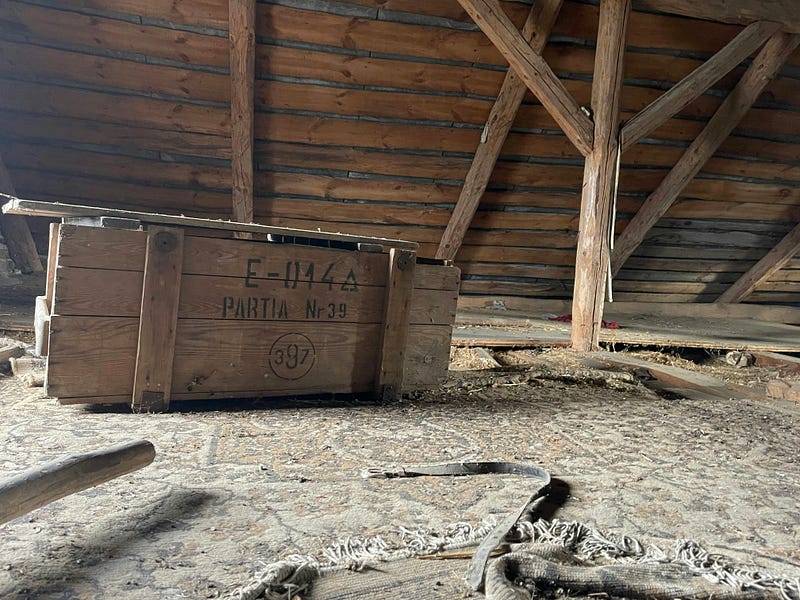
  • The Box In My Attic

    Photo by Piotr Pienkowski on Unsplash

    “THERE ARE WOUNDS THAT NEVER SHOW ON THE BODY THAT ARE DEEPER AND MORE HURTFUL THAN ANYTHING THAT BLEEDS.” — LAURELL K. HAMILTON


    The Box In My Attic

    By R.T. GARNER


    In the depths of my mind, an attic resides,

    A box hidden away, where secrets reside.

    Years of anguish and pain, tightly concealed,

    Until one fateful moment, when wounds were revealed.

    The box in my attic, a ticking time bomb,

    Filled with memories of abuse, like a haunting psalm.

    A father’s hatred, a family’s disdain,

    Echoing through the silence, inflicting endless pain.

    The weight of my truth, my identity suppressed,

    Concealed by the chains of “don’t ask, don’t tell” at best.

    A journey in the military, fought with hidden scars,

    Battling both enemies abroad and internal wars.

    The explosion came fiercely, my heart torn asunder,

    As the box in my attic burst with thunder.

    Mental breakdown, the shattering of my soul,

    As the weight of it all took an enduring toll.

    But amidst the chaos, a spark of resilience ignited,

    Within the wreckage, a spirit remained undaunted.

    For I am not defined by the abuse or disdain,

    Nor by the battles fought, the internal pain.

    I rise from the ashes, reclaiming my space,

    Embracing my truth, with love as my grace.

    The scars of combat may linger and ache,

    But they’re symbols of strength, not weaknesses to forsake.

    In the attic of my mind, I rebuild anew,

    With compassion and healing, my spirit grew.

    For I am more than the past that tried to break,

    A survivor, a warrior, with resolve at stake.

    I find solace in speaking my truth, unafraid,

    Creating a family chosen, where love will pervade.

    And within this new narrative, I find my worth,

    A story of resilience, a testament to rebirth.

    So let this poem be a declaration, a plea,

    To embrace those with internal battles unseen.

    For the explosion that shattered my sanctuary,

    Led me to discover my own strength and bravery.