I’m not here to play nice, I’m here to make change. I work with veterans, teens, career shifters, and anyone who’s ever been told they’re too late, too broken, or too much. I help people rewrite their story when the world hands them a script they never asked for.
I don’t save people. I remind them how to save themselves.
That’s my legacy, and I’m just getting started.
Follow along as I speak truth, challenge systems, and help folks build a life that actually fits.
Connect with Us
Follow us on Medium @YourTrueDirection.
Your journey is yours to shape, take the next step in Your True Direction.
Someone asked me recently, “What legacy do you want to leave behind?”
Not what job I want. Not what title I’m gunning for.
But legacy – the real kind. The kind that echoes. The kind that leaves a mark.
That question didn’t feel polite. It felt like a punch to the chest. Because let’s be honest – most people are too busy surviving to even think about legacy. But I’ve been through enough, seen enough, fought enough, to know that the real work isn’t in the day-to-day grind. It’s in the lives you change while you’re grinding.
So here it is. Raw and real.
I’m not here to leave behind perfect spreadsheets or polished LinkedIn posts. I’m here to leave behind a trail of people who remember what it felt like to finally be seen. Really seen. Especially the ones who had been counted out.
I want my legacy to be the ones who stood up straighter after talking to me.
The ones who walked into that job interview after years of rejection – and nailed it.
The ones who were told they weren’t enough, weren’t experienced enough, weren’t “corporate” enough – and found out that was a damn lie.
I want to be remembered as the one who called out bullshit policies, stood firm in rooms where people whispered, and used every ounce of experience I had – military, career development, leadership, trauma – to light the way forward. Not just for me. But for everyone around me.
I want my legacy to be about impact. Not impressions.
Because I’ve walked through doors no one wanted to open for me.
I’ve been overqualified and underestimated in the same breath.
I’ve watched less-experienced people get promoted while I held the line and kept everything running.
And still, I didn’t shrink.
Because I wasn’t here to play politics.
I was here to serve. To advocate. To build something better.
Let me be clear: I didn’t build my legacy in perfect conditions. I built it while navigating burnout, chronic stress, leadership that didn’t lead, and systems that tried to silence me. I built it while dealing with trauma and training a service dog who saved my life in ways I can’t fully explain.
I built it while helping others find jobs when I was struggling to find my own sense of purpose. I coached people through their breakdowns while still managing mine in silence. I mentored with a cracked heart and a full schedule – because I knew someone else’s survival might start with my willingness to show up, just one more time.
That’s what legacy looks like.
Not glamour. Not followers. Consistency.
Showing up. Even when you’re tired. Even when no one’s clapping. Even when they’re whispering behind closed doors.
I don’t want to be remembered for being liked.
I want to be remembered for being real – for speaking up when it wasn’t convenient, for calling out injustice even when it cost me something, for pushing others to rise even when I was still crawling.
If someone says my name years from now and follows it with:
“Ryan didn’t just help me get a job. He helped me remember who the hell I was.”
Then I did what I came here to do.
That’s the legacy I’m leaving.
It’s made of grit, grace, fire, and purpose.
It’s covered in dog hair, sweat, sacrifice, and second chances.
And no matter what room I walk into – whether I’m welcomed or not – I’ll keep showing up like I belong. Because I do. And so do you.
I’m not here to play nice – I’m here to make change. I work with veterans, teens, career shifters, and anyone who’s ever been told they’re too late, too broken, or too much. I help people rewrite their story when the world hands them a script they never asked for.
I don’t save people. I remind them how to save themselves.
That’s my legacy – and I’m just getting started.
Follow along as I speak truth, challenge systems, and help folks build a life that actually fits.
Connect with Us
Follow us on Medium @YourTrueDirection.
Your journey is yours to shape – take the next step in Your True Direction.
I’m not here to play nice, I’m here to make change. I work with veterans, teens, career shifters, and anyone who’s ever been told they’re too late, too broken, or too much. I help people rewrite their story when the world hands them a script they never asked for.
I don’t save people. I remind them how to save themselves.
That’s my legacy, and I’m just getting started.
Follow along as I speak truth, challenge systems, and help folks build a life that actually fits.
Connect with Us
Follow us on Medium @YourTrueDirection.
Your journey is yours to shape, take the next step in Your True Direction.
I’m not here to play nice, I’m here to make change. I work with veterans, teens, career shifters, and anyone who’s ever been told they’re too late, too broken, or too much. I help people rewrite their story when the world hands them a script they never asked for.
I don’t save people. I remind them how to save themselves.
That’s my legacy, and I’m just getting started.
Follow along as I speak truth, challenge systems, and help folks build a life that actually fits.
Connect with Us
Follow us on Medium @YourTrueDirection.
Your journey is yours to shape, take the next step in Your True Direction.
“The boy I buried didn’t die – he waited. Behind every crack, every scar, every silence I called strength. He’s not haunting me. He’s reminding me who the hell I was before the world got loud.”
The boy I once was?
Oh, he was a goddamn legend.
He believed cereal could fix anything,
that Band-Aids healed betrayal,
and that adults actually knew what they were doing.
(Adorable, right?)
He thought love meant forever.
Thought saying sorry meant something.
Thought being “good” earned you safety.
Spoiler:
It didn’t.
It doesn’t.
He used to stare out windows and dream in color.
Now I scroll through screens and call that vision.
He built forts to keep the world out.
Now I build walls and call it “boundaries.”
He cried when people yelled.
Now I flinch when someone cares.
And somewhere between “be yourself” and “grow up,”
he got stuffed into a box labeled “too much.”
Too loud. Too sensitive. Too emotional. Too intense.
So I dulled him down into a version of myself
that fit other people’s expectations.
Congrats, world.
You win.
He’s quieter now.
Until 2AM – when he rips through my chest
asking why I let him disappear.
And I don’t have an answer.
Just more silence.
But hey –
at least I’m employed, right?
At least I pay my taxes, don’t cry in public,
and answer “I’m good” like it’s a sacred chant.
The boy I once was would call bullshit on all of it.
He’d stand on the table and yell,
“This is the life you chose?”
And I’d look him in the eye
and whisper –
No.
But it’s the life I settled for.
Not anymore.
He’s back.
With messy hair, scraped knees, and a thousand unspoken questions.
I’m not here to play nice, I’m here to make change. I work with veterans, teens, career shifters, and anyone who’s ever been told they’re too late, too broken, or too much. I help people rewrite their story when the world hands them a script they never asked for.
I don’t save people. I remind them how to save themselves.
That’s my legacy, and I’m just getting started.
Follow along as I speak truth, challenge systems, and help folks build a life that actually fits.
Connect with Us
Follow us on Medium @YourTrueDirection.
Your journey is yours to shape, take the next step in Your True Direction.
“The boy I buried didn’t die – he waited. Behind every crack, every scar, every silence I called strength. He’s not haunting me. He’s reminding me who the hell I was before the world got loud.”
The boy I once was?
Oh, he was a goddamn legend.
He believed cereal could fix anything,
that Band-Aids healed betrayal,
and that adults actually knew what they were doing.
(Adorable, right?)
He thought love meant forever.
Thought saying sorry meant something.
Thought being “good” earned you safety.
Spoiler:
It didn’t.
It doesn’t.
He used to stare out windows and dream in color.
Now I scroll through screens and call that vision.
He built forts to keep the world out.
Now I build walls and call it “boundaries.”
He cried when people yelled.
Now I flinch when someone cares.
And somewhere between “be yourself” and “grow up,”
he got stuffed into a box labeled “too much.”
Too loud. Too sensitive. Too emotional. Too intense.
So I dulled him down into a version of myself
that fit other people’s expectations.
Congrats, world.
You win.
He’s quieter now.
Until 2AM – when he rips through my chest
asking why I let him disappear.
And I don’t have an answer.
Just more silence.
But hey –
at least I’m employed, right?
At least I pay my taxes, don’t cry in public,
and answer “I’m good” like it’s a sacred chant.
The boy I once was would call bullshit on all of it.
He’d stand on the table and yell,
“This is the life you chose?”
And I’d look him in the eye
and whisper –
No.
But it’s the life I settled for.
Not anymore.
He’s back.
With messy hair, scraped knees, and a thousand unspoken questions.
I’m not here to play nice, I’m here to make change. I work with veterans, teens, career shifters, and anyone who’s ever been told they’re too late, too broken, or too much. I help people rewrite their story when the world hands them a script they never asked for.
I don’t save people. I remind them how to save themselves.
That’s my legacy, and I’m just getting started.
Follow along as I speak truth, challenge systems, and help folks build a life that actually fits.
Connect with Us
Follow us on Medium @YourTrueDirection.
Your journey is yours to shape, take the next step in Your True Direction.
Alone, but never lonely — because belief begins when the world is silent.
“It doesn’t matter if everyone believes in you, you have to believe in yourself to succeed.”
Read that again. Let it land.
Here’s the truth: regardless of how loud the applause is or how many people support you, if you don’t support yourself, you won’t make any progress.
You can be surrounded by believers. But if you don’t believe in you? You’re stuck. Spinning. Stalling. Second-guessing.
This isn’t a warm hug. It’s a cold splash of reality.
Because borrowed confidence will only take you so far.
You’ve Been Sold a Lie
You’ve been told that enough cheerleaders can cancel out your self-doubt. That if your circle is strong enough, you don’t need to be.
That’s a myth.
Because when life punches you in the throat, and it will, the crowd quiets. The cheerleaders go home. And you’re left gasping for belief you never built.
Borrowed Confidence Is a Sugar High
It gives you a boost. Maybe even a spotlight. But it’s temporary.
You know the moment: You’re about to leap, apply, speak, and commit. And someone says, “You’ve got this!” And for a second, you believe them.
Then that old voice creeps in: Do I really?
Confidence that depends on someone else’s words isn’t real. It’s rented armor, polished, but never yours. Not molded by your battles. Not forged in your fire.
And when sh*t hits the fan? That confidence bails.
Self-Belief Is the Only Armor That Sticks
What Real Confidence Feels Like
(Hint: It’s not loud.)
It’s not screaming affirmations. It’s not hashtags and high-fives. It’s not declaring “I’m enough” while secretly drowning.
Real confidence is quiet. It’s built in the shadows. In moments no one sees. In the whisper: I’ve got this, even when your hands are shaking.
Confidence isn’t thinking you’ll never fall. It’s knowing that when you do, you’ll rise.
So How Do You Build Real Confidence?
You don’t download it. You don’t buy it. You build it. One gritty, honest day at a time.
1. Keep Small Promises to Yourself
Said you’d get up early? Get up. Promised you’d apply to one job a day? Do it. Your mind watches everything. Follow through, and it starts to believe: We are who we say we are.
2. Stack the Evidence
Track your wins. Big or small. Didn’t flinch in that meeting? Write it down. Stood your ground? Hell yes. That’s data. That’s proof.
3. Do Hard Things on Purpose
Pick fear. Face it. Mess it up. Start before you’re ready. Confidence is born in resilience, not perfection.
4. Talk to Yourself Like You’re Worth Betting On
If your inner voice were a coach, would you trust them?
No?
Then change the damn script.
Let’s Get Real: No One’s Coming to Save You
There will be days when no one claps. No one cheers. Not your friends. Not your boss. Maybe not even your family.
And on those days?
Not a podcast. Not a quote. Only one thing will carry you,
Your belief in your own damn self.
Final Word: Stop Borrowing. Start Becoming.
Believing in yourself isn’t hype. It’s not fluff. It’s survival.
It’s what keeps you steady when the world shakes. It’s the only thing no one can take from you.
So stop outsourcing your worth. Stop waiting for permission.
Build it. Back it. Become it.
Because when you believe in yourself, really believe, You’re not just confident. You’re dangerous.
And the world better watch out.
Call to Action
If this hit where it needed to, don’t keep it to yourself.
Please share it. Tag someone who is still waiting for permission. Then take that first terrifying step,
Because your belief is the only one that really matters.
I’m not here to play nice, I’m here to make change. I work with veterans, teens, career shifters, and anyone who’s ever been told they’re too late, too broken, or too much. I help people rewrite their story when the world hands them a script they never asked for.
I don’t save people. I remind them how to save themselves.
That’s my legacy, and I’m just getting started.
Follow along as I speak truth, challenge systems, and help folks build a life that actually fits.
Connect with Us
Follow us on Medium @YourTrueDirection.
Your journey is yours to shape, take the next step in Your True Direction.
Day 1 of a 7-part series exploring the emotional cost of conditional love, family estrangement, and the quiet strength it takes to heal when those meant to love you choose silence instead.
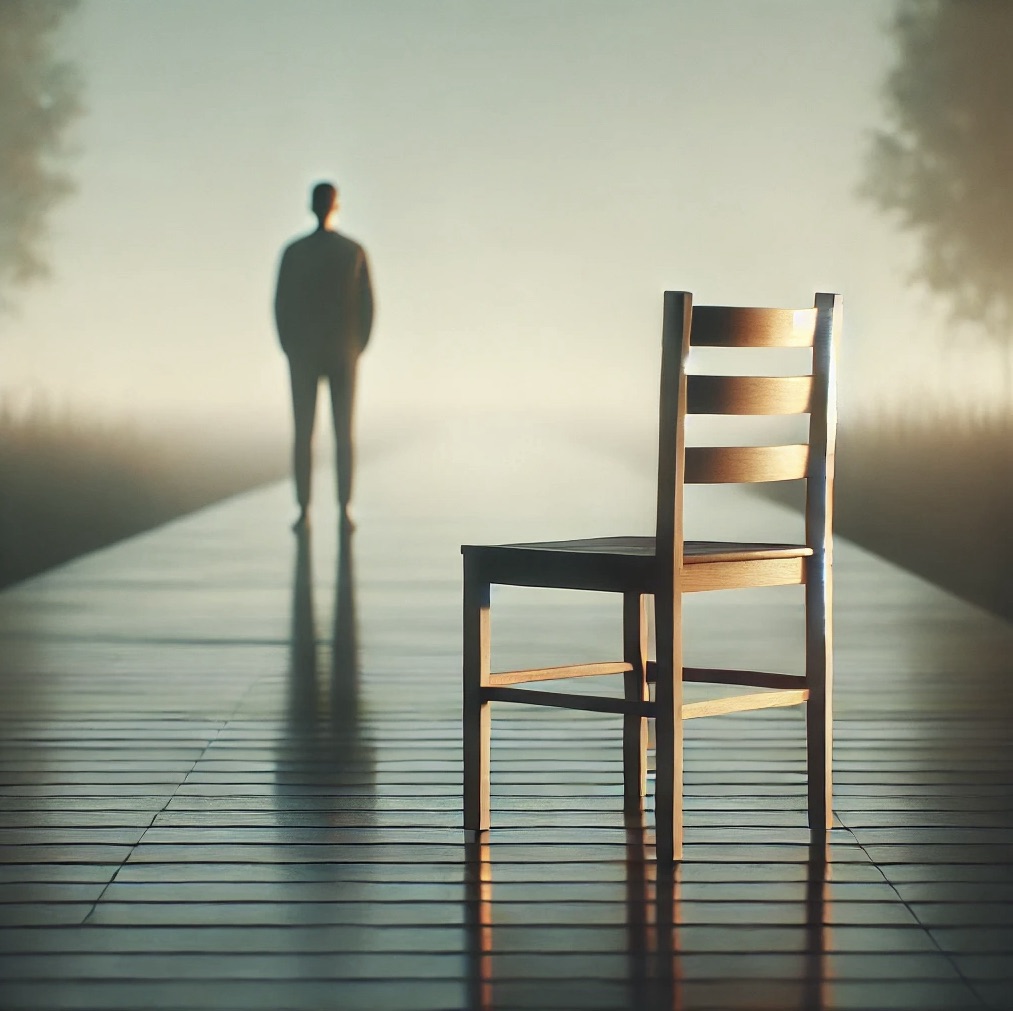
Sometimes, the loudest absences are the ones that never needed words. This empty chair holds the weight of what was missing.
The Day Love Was Conditional
On what should’ve been one of the happiest days of my life, my wedding, I was met not with celebration, but silence. Not because I didn’t invite my father, but because he chose not to come. He couldn’t support me marrying the man I love. That silence has lasted for 3,116 days.
And it still echoes.
What Is Parental Rejection and Why It Hurts So Deeply
Parental rejection is the denial of emotional, physical, or moral support from a parent to a child. It cuts especially deep when rooted in identity, whether it’s about sexuality, gender, religion, or personal choices. For LGBTQ+ individuals, this kind of rejection can be life-altering.
When a parent turns their back not on your actions, but your essence, it sends one clear message: You are not enough.
The Hidden Weight of Conditional Love
Love that comes with strings attached is not love; it’s control in disguise. It’s the unspoken rule that says, “Be who we want you to be, or else.”
When my father said, “I love you, but…,” I learned that love had conditions. That I had to earn my worth. That my joy came second to his discomfort.
“I Love You, But…” — The Words That Haunt
Those five words are silent daggers. They divide families. They teach shame. They echo for years.
For LGBTQ+ individuals, these statements validate a lie we’ve heard too often: You are not worthy of love unless you conform.
This leads to internal conflict, wanting to be accepted, while also needing to be authentic.
The Long-Term Effects of Being Rejected by a Parent
Here’s what many don’t realize: this pain doesn’t fade. It morphs into:
Anxiety and self-doubt
Fear of abandonment in adult relationships
Difficulty trusting others
Depression and complex trauma
Perfectionism or people-pleasing
Estrangement from family
Loss of cultural or religious identity
We carry it silently until we don’t anymore.
Rewriting the Narrative: Healing Through Self-Acceptance
Healing begins when you stop seeking approval from those who can’t give it, when you stop blaming yourself. When you realize you are worthy of love, just as you are.
I stopped chasing their acceptance and began creating my own definition of family. I chose to love myself the way they couldn’t.
And it changed everything.
7 Ways Parental Rejection Damages LGBTQ+ Children
Shame-Based Identity — Children internalize guilt over something they cannot change.
Mental Health Struggles — Higher rates of depression, self-harm, and suicide.
Loss of Safety Net — Lack of emotional or financial support during critical years.
Estrangement Trauma — Fear of being “cut off” for who they are.
Delayed Self-Acceptance — Many suppress their identity far into adulthood.
Attachment Wounds — Struggles with romantic and platonic relationships.
Life-Limiting Beliefs — “I’m not enough,” “I’m unlovable,” “I’ll be alone forever.”
Resources: Support Systems for Healing and Growth
If you or someone you love has experienced parental rejection, you’re not alone. Here are some powerful resources:
PFLAG — The nation’s largest organization for LGBTQ+ people, their parents, and families.
The Trevor Project — Crisis intervention and suicide prevention for LGBTQ+ youth.
GLAAD — Media advocacy and resources to support LGBTQ+ representation and support.
FAQs About Parental Rejection and LGBTQ+ Identity
Q1: Is it common for LGBTQ+ people to be rejected by their parents? Yes, unfortunately. Studies show nearly 40% of LGBTQ+ youth report parental rejection at some point in their lives.
Q2: How can I begin to heal after being rejected by a parent? Start by affirming your own identity, seeking LGBTQ+ communities, and working with a trauma-informed therapist.
Q3: Should I try to reconcile with my parents? Only if it supports your healing. Reconciliation should never come at the cost of your mental health or authenticity.
Q4: What if my parents say they love me but still don’t support my relationship? That’s conditional love. You deserve to be supported fully, without exceptions.
Q5: Is it okay to set boundaries or go no contact with parents? Yes. Boundaries are essential for healing and safety — especially in toxic dynamics.
Q6: How do I find chosen family or supportive communities? Start with LGBTQ+ support groups, online forums, or local centers. Community is healing.
The Light Beyond the Silence
If your story mirrors mine, know this: You are not broken. You are not unworthy. And the absence of someone at your wedding — or in your life — does not define your value.
The day love became conditional was painful, yes. But it also became the day I chose myself.
Your True Direction is dedicated to empowering individuals navigating life’s transitions. Through inspiring stories and actionable strategies, we aim to help you reclaim ambition, overcome challenges, and thrive in every stage of your journey.
Connect with Us
Follow us on Medium @YourTrueDirection
Your journey is yours to shape — take the next step in Your True Direction.
Day 1 of a 7-part series exploring the emotional cost of conditional love, family estrangement, and the quiet strength it takes to heal when those meant to love you choose silence instead.
Sometimes, the loudest absences are the ones that never needed words. This empty chair holds the weight of what was missing.
The Day Love Was Conditional
On what should’ve been one of the happiest days of my life, my wedding, I was met not with celebration, but silence. Not because I didn’t invite my father, but because he chose not to come. He couldn’t support me marrying the man I love. That silence has lasted for 3,116 days.
And it still echoes.
What Is Parental Rejection and Why It Hurts So Deeply
Parental rejection is the denial of emotional, physical, or moral support from a parent to a child. It cuts especially deep when rooted in identity, whether it’s about sexuality, gender, religion, or personal choices. For LGBTQ+ individuals, this kind of rejection can be life-altering.
When a parent turns their back not on your actions, but your essence, it sends one clear message: You are not enough.
The Hidden Weight of Conditional Love
Love that comes with strings attached is not love; it’s control in disguise. It’s the unspoken rule that says, “Be who we want you to be, or else.”
When my father said, “I love you, but…,” I learned that love had conditions. That I had to earn my worth. That my joy came second to his discomfort.
“I Love You, But…” — The Words That Haunt
Those five words are silent daggers. They divide families. They teach shame. They echo for years.
For LGBTQ+ individuals, these statements validate a lie we’ve heard too often: You are not worthy of love unless you conform.
This leads to internal conflict, wanting to be accepted, while also needing to be authentic.
The Long-Term Effects of Being Rejected by a Parent
Here’s what many don’t realize: this pain doesn’t fade. It morphs into:
Anxiety and self-doubt
Fear of abandonment in adult relationships
Difficulty trusting others
Depression and complex trauma
Perfectionism or people-pleasing
Estrangement from family
Loss of cultural or religious identity
We carry it silently until we don’t anymore.
Rewriting the Narrative: Healing Through Self-Acceptance
Healing begins when you stop seeking approval from those who can’t give it, when you stop blaming yourself. When you realize you are worthy of love, just as you are.
I stopped chasing their acceptance and began creating my own definition of family. I chose to love myself the way they couldn’t.
And it changed everything.
7 Ways Parental Rejection Damages LGBTQ+ Children
Shame-Based Identity — Children internalize guilt over something they cannot change.
Mental Health Struggles — Higher rates of depression, self-harm, and suicide.
Loss of Safety Net — Lack of emotional or financial support during critical years.
Estrangement Trauma — Fear of being “cut off” for who they are.
Delayed Self-Acceptance — Many suppress their identity far into adulthood.
Attachment Wounds — Struggles with romantic and platonic relationships.
Life-Limiting Beliefs — “I’m not enough,” “I’m unlovable,” “I’ll be alone forever.”
Resources: Support Systems for Healing and Growth
If you or someone you love has experienced parental rejection, you’re not alone. Here are some powerful resources:
PFLAG — The nation’s largest organization for LGBTQ+ people, their parents, and families.
The Trevor Project — Crisis intervention and suicide prevention for LGBTQ+ youth.
GLAAD — Media advocacy and resources to support LGBTQ+ representation and support.
FAQs About Parental Rejection and LGBTQ+ Identity
Q1: Is it common for LGBTQ+ people to be rejected by their parents? Yes, unfortunately. Studies show nearly 40% of LGBTQ+ youth report parental rejection at some point in their lives.
Q2: How can I begin to heal after being rejected by a parent? Start by affirming your own identity, seeking LGBTQ+ communities, and working with a trauma-informed therapist.
Q3: Should I try to reconcile with my parents? Only if it supports your healing. Reconciliation should never come at the cost of your mental health or authenticity.
Q4: What if my parents say they love me but still don’t support my relationship? That’s conditional love. You deserve to be supported fully, without exceptions.
Q5: Is it okay to set boundaries or go no contact with parents? Yes. Boundaries are essential for healing and safety — especially in toxic dynamics.
Q6: How do I find chosen family or supportive communities? Start with LGBTQ+ support groups, online forums, or local centers. Community is healing.
The Light Beyond the Silence
If your story mirrors mine, know this: You are not broken. You are not unworthy. And the absence of someone at your wedding — or in your life — does not define your value.
The day love became conditional was painful, yes. But it also became the day I chose myself.
Your True Direction is dedicated to empowering individuals navigating life’s transitions. Through inspiring stories and actionable strategies, we aim to help you reclaim ambition, overcome challenges, and thrive in every stage of your journey.
Connect with Us
Follow us on Medium @YourTrueDirection
Your journey is yours to shape — take the next step in Your True Direction.
You never gave up. Not on me, not on anyone. When the silence got too loud, when the weight of it all became unbearable, you were there. No questions, no judgment – just there. In the darkest moments, when I felt like I was slipping away, your words pulled me back.
Some heroes wear uniforms. Others just show up when it matters most.
Every step tells a story. Every scar holds a memory. Music heals what words cannot.
The Battle That Never Ends
PTSD is a battlefield all its own. It doesn’t come with armor, rules of engagement, or an exit strategy. It doesn’t wave a white flag when the war is over because, for many veterans, the war never truly ends. It follows them home, creeping into their minds, hijacking their emotions, and turning everyday life into a warzone.
Some wounds bleed. Some leave scars. And some, like PTSD, stay hidden – festering in the silence, breaking a person from the inside out.
For veterans, PTSD is not just about remembering the past; it’s about reliving it. The mind becomes a battlefield, where memories become landmines, exploding without warning. A simple sound, a sudden movement, a smell – any of these can send them spiraling back into the warzone they never wanted to return to.
And the worst part? They fight this battle alone.
Jelly Roll’s song Save Me isn’t just music – it’s an anthem of pain, a raw confession of struggle, a cry for help that so many veterans relate to. Because while the world moves on, they remain stuck in a war they never truly left.
Jelly Roll’s voice spilled from the truck speakers as Jake sat on the bridge, gripping the steering wheel so hard his fingers ached.
”Somebody save me…
”Me from myself…”
He exhaled sharply.
The world outside his windshield looked normal. People walking, talking, laughing. How could they not see?
How could those in his life not see the war still raging inside him?
Lost in the night, weighed down by the struggle – holding on feels impossible, but hope is never out of reach.
Drowning in Demons
The whiskey bottle clinked against the guardrail as Jake sat on the edge of the bridge, the cold steel biting into his skin. The city lights below were a blur, cars moving like ants on a highway he no longer felt connected to. The wind whipped against his face, numbing everything except the pain in his chest.
The war had ended, but it never really left him.
His hands shook as he wiped his face. He wasn’t even sure if the moisture on his skin was sweat, tears, or the mist from the river below. Maybe all three.
For years, he had fought to keep himself together. Fought the nightmares. Fought the memories. Fought the guilt. But tonight, he was tired. Tonight, the weight was too much.
“Maybe they were right,” he thought. “Maybe I should’ve died over there with them.”
He pulled his jacket tighter, the wind slamming into his back, urging him forward. One step. One second.
”I’m lost and I’m found, but I’m lonely at the same time…”
God, that line.
It ripped through him like shrapnel. Because that was it, wasn’t it?
Alive, but not living.
Surviving, but lost.
Screaming, but silent.
He squeezed his eyes shut. But when he did, the faces were there. Their faces.
Matthews. Torres. Bishop.
He closed his eyes, and suddenly, he was back in the desert. The heat scorching his skin, the sandstorm whipping around him. The radio crackling with desperate voices.
“We’re taking fire! We need air support – NOW!”
Jake could still hear the panic, the urgency. He remembered gripping his rifle so tightly that his fingers ached. He remembered the deafening blast that sent him flying backward.
And then he remembered looking over and seeing them – his brothers, his family – lying still.
Gone.
He should have saved them.
The bridge creaked slightly as he shifted his weight forward.
“One step,” he told himself. “One step, and it all stops.”
No more nightmares.
No more waking up in a sweat, screaming at ghosts.
No more hearing their voices in his head, begging him to do something – anything – to change what happened.
Jake exhaled, long and slow.
Then his phone buzzed.
He almost ignored it. But something made him glance down.
Davis: “Hey man, I know you’re struggling. Just let me know you’re okay.”
Jake’s breath caught in his throat.
Davis.
The only one who still checked in. The only one who seemed to notice that Jake was slipping away.
His fingers trembled as he typed. He wasn’t even sure why he responded, but he did.
Jake: “Not really, man.”
Within seconds, his phone rang.
He didn’t want to answer. He wanted silence. He wanted the pain to stop.
But somehow, he pressed the button.
“Jake.”
Davis’s voice was steady. No panic, no pity. Just there.
“I know where you are,” Davis said. “I’m coming.”
Jake let out a shaky breath.
“You don’t have to.”
“Yeah, I do,” Davis said. “Just hold on, brother.”
The wind still howled. The river still raged below. But for the first time in a long time, Jake felt something other than pain.
He felt seen.
And for tonight, that was enough.
Climbing Out of the Darkness
Healing wasn’t fast, and it sure as hell wasn’t easy.
Jake started showing up – at therapy, at veteran support meetings, even just for a walk around the block. Each step was a battle, but he kept fighting.
One day, he played Save Me in his truck again. But this time, it didn’t feel like a cry for help.
It felt like a reminder.
”I ain’t no savior, no angel, no saint…”
No, he wasn’t.
But maybe he didn’t need to be. Maybe he just needed to keep going.
Resources for Veterans Struggling with PTSD
If you or someone you know is struggling, you are not alone. Here are some resources that can help:
PTSD affects about 11–20% of veterans who served in combat zones, but many cases go unreported.
2. Can PTSD be cured?
There is no “cure,” but PTSD can be managed with therapy, medication, and peer support.
3. What are the signs that a veteran might be struggling?
Withdrawal, irritability, difficulty sleeping, substance abuse, and signs of self-harm are all warning signs.
4. How can I help a veteran with PTSD?
Be there. Listen without judgment. Encourage them to seek help, but don’t push. A simple check-in can save a life.
5. Does music like Jelly Roll’s Save Me really help?
For many, music provides a way to feel understood. Songs like Save Me give voice to struggles that are hard to put into words.
Call To Action
Jake’s story is real. Maybe his name is different. Maybe his struggle looks a little different.
But the pain? The fight? That’s something too many veterans know all too well.
If you or someone you know is struggling, reach out. A text, a call, a conversation – it could be the lifeline that saves a life.
Because in the end, the words of Jelly Roll’s song ring true:
Somebody save me…
And sometimes, all it takes is one person willing to answer that call.
This is for Chris. This is for every Davis. And this is for every Jake who still needs saving.
About Your True Direction
Your True Direction is dedicated to empowering individuals navigating life’s transitions. Through inspiring stories and actionable strategies, we aim to help you reclaim ambition, overcome challenges, and thrive in every stage of your journey.
About Your True Direction
Your True Direction is dedicated to empowering individuals navigating life’s transitions. Through inspiring stories and actionable strategies, we aim to help you reclaim ambition, overcome challenges, and thrive in every stage of your journey.
How Elton John’s I’m Still Standing Reflects a Veteran’s Journey
By R. T. Garner
“I’m still standing better than I ever did / Looking like a true survivor, feeling like a little kid.”
For David, a gay veteran just returning home from the front lines, the war was not yet finished. Upon his return home, he battled a different kind — one that tried to his sense of survival, identity, and belonging. As a young child, his father would make nasty comments to him, including, “If you are gay, I will kill you.” Long after he had left his family, long after he had served his nation, long after he had come out to himself, these remarks kept playing back in his head.
Image generated by Author
The road ahead for David was far from easy. But like Elton John’s I’m Still Standing, his story is a testament to the power of resilience, to the unyielding strength that keeps us moving forward when the world seems determined to knock us down.
“I’m still standing after all this time / Picking up the pieces of my life without you on my mind.”
The Battle Before the Battle
Before David even entertained the idea of joining the military, he was having trouble with an argument that was occurring within himself. In light of the fact that his father disapproved of him, it became painfully evident that expressing his true self was not a risk-free alternative. Although the fact that he felt strongly, he denied his feelings, which ended up in an overwhelming feeling of loneliness within him. This immense burden was a reflection of the weight of the struggle that he was carrying. He felt a great sense of betrayal in the air as he tried to deal with the expectations around him. As the weight of his hidden truth settled upon him, bringing him to barely a shadow of himself, the fight for air got harder and harder. His emotional health had suffered dramatically from societal unrelenting rejection, which kept him in a vicious struggle.
This emotional suppression followed him into adulthood. When he joined the military, Don’t Ask, Don’t Tell only reinforced the belief that he was needed to stay hidden. David’s military achievements were impressive, yet each promotion left him feeling empty, a stark contrast to his outward success. He was fighting for a country that wouldn’t accept him for who he was, a dissonance that echoed through his life.
“And if you need to know while I’m still standing, you just fade away.”
David began to internalize the rejection he’d faced, believing the lie that his worth was conditional. But his story didn’t end there.
Image generated by Author
Resilience: The Heartbeat of Survival
Resilience wasn’t just a buzzword for David; it was his lifeline. It carried him through his father’s rejection, the pressure of military life, and the isolation that followed him home. Just like Elton John sings, resilience isn’t about denying the pain — it’s about rising above it.
1. Reclaiming His Identity
David’s first battle after returning home was reclaiming his identity. Years of hiding who he was had taken a toll. He’d spent so long trying to meet others’ expectations that he’d forgotten who he wanted to be.
“Don’t you know I’m still standing better than I ever did?”
Through therapy and self-reflection, David began to piece himself back together. He realized that his identity wasn’t something to be ashamed of — it was a source of strength.
2. Healing From Rejection
The words of his father had haunted David for years, shaping how he viewed himself and his relationships. Even after his father passed, David felt the weight of that rejection. He couldn’t let go of the idea that he had to earn love and respect.
But resilience meant refusing to let that rejection define him. As Elton John’s lyrics echo, “Picking up the pieces of my life without you on my mind,” David learned to leave the pain of his father’s words in the past. He couldn’t change his father’s views, but he could change how much power those views held over him.
3. Embracing Love and Connection
For David, resilience also meant opening himself up to love and connection. His years in the military had taught him to rely only on himself, but this isolation couldn’t last forever.
He found a chosen family in the LGBTQ+ community — people who embraced him fully and saw him as strong, capable, and worthy of love. Romantic relationships were a new challenge, but each step forward was a victory.
“I’m still standing, yeah, yeah, yeah.”
The Unseen Battle: Misconceptions and Isolation
One of David’s biggest struggles after leaving the military wasn’t his own identity — it was how others perceived him. Friends and family assumed he was either too fragile or completely invincible. Both perspectives left him feeling isolated.
Coworkers and acquaintances avoided deeper conversations, either out of discomfort or misplaced fear of offending him.Romantic partners often misunderstood his hesitation to open up, mistaking it for indifference rather than self-preservation.
“Once I never could have hoped to win / You’re starting down the road leaving me again.”
But David’s resilience came through again. He began setting boundaries, clearly communicating his needs, and finding strength in being vulnerable. The more he shared his story, the more he realized that people wanted to understand — they just didn’t know how to start.
The Turning Point: “I’m Still Standing” as a Rallying Cry
One day, while driving alone, David heard I’m Still Standing on the radio. The lyrics struck a chord, echoing his struggles and triumphs. He pulled over, letting the music wash over him.
“I’m still standing better than I ever did / Looking like a true survivor, feeling like a little kid.”
For the first time in years, he saw himself not as a victim of his circumstances but as a survivor. Every hardship he’d faced had shaped him into the resilient man he was. From that moment on, David decided toreclaim his narrative.
Image generated by Author
A New Chapter: Living With Resilience
David’s journey didn’t end with that song, but it marked a turning point. He began to live with purpose, advocating for LGBTQ+ veterans and sharing his story to inspire others.
Resilience, he learned, wasn’t about erasing the past. It was about carrying the lessons of those experiences and using them to build a stronger future.
“I’m still standing after all this time.”
Final Thoughts: The Strength to Stand Tall
David’s story mirrors the journey of countless veterans who face rejection, isolation, and identity struggles. It’s a reminder that resilience isn’t about avoiding hardship — it’s about rising above it.
Elton John’s I’m Still Standing captures this spirit perfectly, celebrating the strength to persevere and the courage to rebuild. For David, the song became more than an anthem — it became a declaration of who he was and who he was becoming.
To anyone who feels like the world is trying to knock them down: You’re stronger than you think. Keep standing tall.
“I’m still standing.”
The River of Resilience: How Elton John’s I’m Still Standing Reflects a Veteran’s Journey
“I’m still standing better than I ever did / Looking like a true survivor, feeling like a little kid.”
For David, a gay veteran just returning home from the front lines, the war was not yet finished. Upon his return home, he battled a different kind — one that tried to his sense of survival, identity, and belonging. As a young child, his father would make nasty comments to him, including, “If you are gay, I will kill you.” Long after he had left his family, long after he had served his nation, long after he had come out to himself, these remarks kept playing back in his head.
The road ahead for David was far from easy. But like Elton John’s I’m Still Standing, his story is a testament to the power of resilience, to the unyielding strength that keeps us moving forward when the world seems determined to knock us down.
“I’m still standing after all this time / Picking up the pieces of my life without you on my mind.”
The Battle Before the Battle
Before David even entertained the idea of joining the military, he was having trouble with an argument that was occurring within himself. In light of the fact that his father disapproved of him, it became painfully evident that expressing his true self was not a risk-free alternative. Although the fact that he felt strongly, he denied his feelings, which ended up in an overwhelming feeling of loneliness within him. This immense burden was a reflection of the weight of the struggle that he was carrying. He felt a great sense of betrayal in the air as he tried to deal with the expectations around him. As the weight of his hidden truth settled upon him, bringing him to barely a shadow of himself, the fight for air got harder and harder. His emotional health had suffered dramatically from societal unrelenting rejection, which kept him in a vicious struggle.
This emotional suppression followed him into adulthood. When he joined the military, Don’t Ask, Don’t Tell only reinforced the belief that he was needed to stay hidden. David’s military achievements were impressive, yet each promotion left him feeling empty, a stark contrast to his outward success. He was fighting for a country that wouldn’t accept him for who he was, a dissonance that echoed through his life.
“And if you need to know while I’m still standing, you just fade away.”
David began to internalize the rejection he’d faced, believing the lie that his worth was conditional. But his story didn’t end there.
Resilience: The Heartbeat of Survival
Resilience wasn’t just a buzzword for David; it was his lifeline. It carried him through his father’s rejection, the pressure of military life, and the isolation that followed him home. Just like Elton John sings, resilience isn’t about denying the pain — it’s about rising above it.
1. Reclaiming His Identity
David’s first battle after returning home was reclaiming his identity. Years of hiding who he was had taken a toll. He’d spent so long trying to meet others’ expectations that he’d forgotten who he wanted to be.
“Don’t you know I’m still standing better than I ever did?”
Through therapy and self-reflection, David began to piece himself back together. He realized that his identity wasn’t something to be ashamed of — it was a source of strength.
2. Healing From Rejection
The words of his father had haunted David for years, shaping how he viewed himself and his relationships. Even after his father passed, David felt the weight of that rejection. He couldn’t let go of the idea that he had to earn love and respect.
But resilience meant refusing to let that rejection define him. As Elton John’s lyrics echo, “Picking up the pieces of my life without you on my mind,” David learned to leave the pain of his father’s words in the past. He couldn’t change his father’s views, but he could change how much power those views held over him.
3. Embracing Love and Connection
For David, resilience also meant opening himself up to love and connection. His years in the military had taught him to rely only on himself, but this isolation couldn’t last forever.
He found a chosen family in the LGBTQ+ community — people who embraced him fully and saw him as strong, capable, and worthy of love. Romantic relationships were a new challenge, but each step forward was a victory.
“I’m still standing, yeah, yeah, yeah.”
The Unseen Battle: Misconceptions and Isolation
One of David’s biggest struggles after leaving the military wasn’t his own identity — it was how others perceived him. Friends and family assumed he was either too fragile or completely invincible. Both perspectives left him feeling isolated.
Coworkers and acquaintances avoided deeper conversations, either out of discomfort or misplaced fear of offending him.Romantic partners often misunderstood his hesitation to open up, mistaking it for indifference rather than self-preservation.
“Once I never could have hoped to win / You’re starting down the road leaving me again.”
But David’s resilience came through again. He began setting boundaries, clearly communicating his needs, and finding strength in being vulnerable. The more he shared his story, the more he realized that people wanted to understand — they just didn’t know how to start.
The Turning Point: “I’m Still Standing” as a Rallying Cry
One day, while driving alone, David heard I’m Still Standing on the radio. The lyrics struck a chord, echoing his struggles and triumphs. He pulled over, letting the music wash over him.
“I’m still standing better than I ever did / Looking like a true survivor, feeling like a little kid.”
For the first time in years, he saw himself not as a victim of his circumstances but as a survivor. Every hardship he’d faced had shaped him into the resilient man he was. From that moment on, David decided to reclaim his narrative.
A New Chapter: Living With Resilience
David’s journey didn’t end with that song, but it marked a turning point. He began to live with purpose, advocating for LGBTQ+ veterans and sharing his story to inspire others.
Resilience, he learned, wasn’t about erasing the past. It was about carrying the lessons of those experiences and using them to build a stronger future.
“I’m still standing after all this time.”
Final Thoughts: The Strength to Stand Tall
David’s story mirrors the journey of countless veterans who face rejection, isolation, and identity struggles. It’s a reminder that resilience isn’t about avoiding hardship — it’s about rising above it.
Elton John’s I’m Still Standing captures this spirit perfectly, celebrating the strength to persevere and the courage to rebuild. For David, the song became more than an anthem — it became a declaration of who he was and who he was becoming.
To anyone who feels like the world is trying to knock them down: You’re stronger than you think. Keep standing tall.
“I’m still standing.”
About Your True Direction
Your True Direction is dedicated to empowering individuals navigating life’s transitions. Through inspiring stories and actionable strategies, we aim to help you reclaim ambition, overcome challenges, and thrive in every stage of your journey.
Connect with Us
Follow us on Medium: @YourTrueDirection
Have a story to share or want to collaborate? Email Ryan at ryan@yourtruedirection.com.
Thank You for Reading! Your journey is yours to shape — take the next step in Your True Direction. If this article resonated with you, don’t forget to clap, share, and follow us for more inspiring content!
Discover how Garth Brooks’ ‘The River’ reflects a veteran’s journey of resilience and overcoming challenges after service. For John, returning home from war wasn’t the end of his battles; it was the start of a new fight to rebuild his life while navigating PTSD and societal perceptions. His story mirrors the lyrics of ‘The River,’ reminding us that resilience is about choosing to keep sailing, no matter how rough the waters.
His service to his country was a source of pride for him, and it helped him develop into the kind of soldier he had always imagined himself to be. After returning to the civilian world, however, everything seemed strange. Friends and relatives viewed him differently, some with sympathy and others with an unwarranted desire to “fix” him… What they couldn’t see was that John didn’t need fixing; he required understanding.
John wasn’t broken. Yes, he struggled, but his struggles weren’t his identity. What defined him was his resilience, the same unwavering determination that carried him through combat. And like the ever-changing river in Garth Brooks’ The River, John found himself choosing to keep sailing, even when the currents felt too strong.
“I’ll choose to chance the rapids / And dare to dance the tide.”
Resilience: The Anchor for a Veteran’s Journey
Resilience is more than a concept for veterans like John; it’s their lifeline. It’s the grit to adapt, persevere, and rise again despite setbacks. Resilience came naturally to him while he was serving in the military. Because of his training, he could persevere over insurmountable obstacles, endure both physical and emotional suffering, and never give up. However, civilian life brought a unique set of challenges that tested John’s resolve in unexpected ways.
The Three Pillars of Resilience for Veterans
For John, resilience revolved around three critical principles:
1. Owning His Story Without Letting PTSD Define Him
John was not only forced to suffer from the agonizing of war, but he also had to deal with the labels that others had bestowed upon him. The well-meaning but unsuitable remarks and pity-filled sentiments, such as “Are you okay? Make him feel even more alone. For they didn’t see John anymore; they only saw his injuries.
PTSD was not his identity; it was only one part of his story. Resilience meant not allowing tragedy to consume his dreams, which remained alive and waiting for him. As Garth Brooks sings:
“There’s a dreamer just waiting to be set free.”
John envisioned a fulfilling career, a loving marriage, and a life where PTSD didn’t dictate his every move. He understood that resilience wasn’t about denying his challenges; it was about facing them while holding on to hope.
2. Accepting the Unpredictable Flow of Life
After the military, John learned the hard way that life is chaotic, unpredictable, and lacking the disciplined order that typified military life. Instead of clear objectives and explicit directions, participants now have more space for errors and confusion.
Initially, John resisted, but he yearned for simplicity and clarity. But resilience required him to embrace life’s chaos and accept that the river would never be smooth.
“There’s bound to be rough waters / And I know I’ll take some falls.”
Every stumble became an opportunity to grow. And with each recovery, John’s resilience became stronger.
3. Choosing to Keep Moving Forward
Resilience isn’t about having all the answers; it’s about choosing to take the next step, even when the path ahead is unclear. This meant that John had to go to therapy on days when he was really tired, take a job that he thought he wasn’t suited for as a stepping stone, and talk to his wife when he wanted to stay quiet.
Every small act of perseverance represented a vow of resilience. It was his way of saying, “I’m still here, and I’m still fighting.”
The Harm of Trying to “Fix” What Isn’t Broken
Ironically, the greatest threat to John’s healing wasn’t PTSD itself; it was the perception that he was broken. His wife, Sarah, was constantly asking if he was alright, his voice filled with concern. With his friends giving surface-level advice such as “Just move on.” Despite their good intentions, their actions made John feel even more alone.
What John needed wasn’t pity or solutions; it was empathy. He longed for people to see him as the same man he was before the war, a man shaped by his experiences but not defined by them.
“I will sail my vessel / Till the river runs dry.”
But even the strongest vessels can take on water. On some nights, sitting alone in his truck, John questioned if the world would be better off without him. It wasn’t the memories of combat that brought him to this point; it was the suffocating loneliness of feeling unseen.
Image Generated By Author
A Turning Point on the River
One quiet evening by the water near his home, John replayed Garth’s lyrics in his mind:
“To reach my destination / I’ll need faith and determination.”
At that moment, he realized something profound. He didn’t need anyone’s approval to heal. He didn’t need fixing because he wasn’t broken. All he needed was to believe in his strength and make a conscious choice to keep going.
John made a promise to himself that he would keep from that day on. He stopped trying to persuade people that he was ok and instead focused on obtaining self-acceptance. He turned to treatment, joined a veterans’ support group, and began having open, honest interactions with Sarah. They worked together to map a route forward, focusing on what could be right rather than what was wrong.
Resilience: The Superpower of Dreamers
Resilience isn’t about being invincible; it’s about having the courage to keep going, even when the odds are stacked against you. It’s about believing that no matter how turbulent the river becomes, there’s always something worth fighting for.
For John, that something was his family, his future, and the hope of building a worthwhile life away from home after the battlefield. Garth Brooks’ The River reminded him that resilience wasn’t about avoiding the rapids; it’s about navigating them with courage and determination.
“I’ll choose to chance the rapids / And dare to dance the tide.”
John didn’t need to be the person he was before his service. He just needed to keep sailing his vessel, knowing that every stroke of the oar brought him closer to his destination.
Sailing Through Life’s Rapids
John’s story is a testament to the countless veterans navigating the challenges of life after service. It’s a journey marked by the fight to be understood, respected, and seen for who they truly are. And it’s a journey fueled by the resilience to keep rowing, no matter how rough the waters become.
Garth Brooks’ The River offers a poignant reminder that life isn’t about guarantees. It’s about choosing to sail, even when the journey feels impossible.
“I will sail my vessel / Till the river runs dry.”
To every veteran: You’re not broken. You don’t need fixing. You are strong!
About Your True Direction Your True Direction is dedicated to empowering individuals navigating life’s transitions. Through inspiring stories and actionable strategies, we aim to help you reclaim ambition, overcome challenges, and thrive in every stage of your journey.
Connect with Us
Follow us on Medium: @YourTrueDirection
Have a story to share or want to collaborate? Email Ryan at ryan@yourtruedirection.com.
Thank You for Reading! Your journey is yours to shape — take the next step in Your True Direction. If this article resonated with you, don’t forget to clap, share, and follow us for more inspiring content!
“Being brave isn’t the absence of fear. Being brave is having that fear but finding a way through it.” — Bear Grylls
In the last article, we delved deep into the concept of silent strings — those invisible, limiting beliefs we’ve either inherited or created over time. Whether imposed by society, family, or even our own inner critic, these strings have a way of tying us down, keeping us small, and silencing our potential. We explored how these beliefs can operate beneath the surface, dictating our choices, our fears, and our identity. For many, these strings feel so deeply embedded, they go unnoticed — becoming the quiet background music of our lives. But awareness is just the beginning.
Now that we’ve started to see these strings for what they are, the next step is to cut them. And that’s where reckoning with truth comes in. In this chapter, we’re diving headfirst into what it means to confront the reality of who we are — beyond the expectations, the judgments, and the neatly packaged roles we’ve been told to play. It’s about having the courage to look at those silent strings head-on, challenge the beliefs holding us back, and, most importantly, take the leap into owning our truth.
In this article, “Reckoning with Truth,” we follow Alex’s journey as he confronts his own limiting beliefs, not just from others but from within. This is the moment where theory becomes action, where the tension between who we’re expected to be and who we actually are finally snaps.
Transformation and Resilience — “The Courage to Rise”
“Authenticity is the daily practice of letting go of who we think we’re supposed to be and embracing who we are.” — Brené Brown
Reckoning with Truth: Alex Confronts His Reality
Everyone hits that point eventually. The moment when enough is just enough. For Alex, it wasn’t some dramatic breakdown or Hollywood-style meltdown. No, it came with a quiet, persistent whisper inside his head: “What if?” What if he stopped hiding? What if, just once, he told the truth — not to make others feel better but to be honest with himself? What if he quit caring about everyone else’s opinions and just owned who he was?
It wasn’t some easy epiphany. It wasn’t some overnight transformation. There was a lot on the line — his parents’ approval, the comfort of staying in the shadows, the false sense of security that comes from playing it safe. But Alex finally grasped a harsh reality: living a lie isn’t really living. It’s barely surviving. And seriously, who wants to drift through life half-dead just to keep other people comfortable?
So, there he was. Family dinner, the usual dull conversations about the weather, neighbors, and some cousin’s wedding nobody cared about. But Alex knew it was time to stop the charade. Tension had been bubbling under the surface for years, and now it was about to boil over.
“Mom, Dad, there’s something I need to say.” His voice was steady, but inside, his heart was a riot. You know that feeling when your pulse pounds so loud it drowns out your thoughts? That was Alex, sitting at that table. This was it — the moment that would change everything.
And of course, his father — stone-faced, eyes sharp, sitting at the head of the table like a king ready to pass judgment — picked that moment to stir the pot. “Alex,” he started, his voice a gruff growl, “what’s this nonsense about moving to the city? You’ve got responsibilities here. Don’t be stupid and throw your life away.”
Perfect timing. A golden opportunity, delivered on a silver platter. Alex’s gut twisted, but the door had swung wide open, and there was no turning back. They’d been trapped in this twisted dance of expectations for years, but tonight? Tonight was when the music stopped.
“Dad,” Alex said, a deep breath tearing at his lungs, “I don’t want that life. I need to be honest. I need to be me.”
Boom. Silence. Deafening, uncomfortable silence. The kind that hits you like a punch in the gut and makes the room feel smaller, like the walls are closing in. His mother’s eyes darted to her husband, fingers twitching nervously. His father’s face? Cold, unflinching, hard as stone. “What the hell are you talking about?” he spat, a mixture of disbelief and anger.
“I’m gay,” Alex said, the words trembling but firm. “And I’m done hiding it. I’m done pretending to be someone I’m not.”
You know that feeling when a bomb goes off, and for a moment, everything is just quiet? That’s what happened. Those words didn’t just hang in the air; they cracked the foundation of that family, shook the walls of everything they’d pretended to be. His father’s face turned a shade of red that screamed rage. His mother? She couldn’t even look up. Time seemed to freeze, with the damn clock ticking on like none of this mattered.
“If you think I’m going to watch you ruin your life — ” his father began, voice full of venom.
“No!” Alex snapped, something primal rising inside him, something raw he hadn’t even known was there. “I’m not ruining anything. I’m choosing my life. My life, Dad. Not yours.”
The room felt suffocating. His mother’s hand reached toward him, her eyes filled with unshed tears. But Alex wasn’t reaching back this time. This wasn’t about her. This wasn’t about his father. This was about him — taking back his story, tearing down the fake narrative he’d been living for far too long.
“I know this isn’t what you wanted for me,” he continued, his voice stronger now. “But it’s who I am. And I can’t keep pretending.”
It was messy. It was painful. But here’s the thing: pain is part of the deal. Growth is never smooth; it’s gritty, it’s uncomfortable, and it sure as hell isn’t pretty. But that’s where the magic happens — in the raw, real moments when you stop playing it safe and start being honest.
And then, something shifted. A flicker of something in his father’s eyes — was it fear? Confusion? Whatever it was, it wasn’t what Alex had prepared for.
“Fine,” his father muttered, his voice cold and tight. “Do what you want. But don’t expect me to understand.”
Not exactly a Hallmark moment of acceptance. But not the complete rejection Alex had braced himself for either. It was something. Fragile, shaky, but a step forward. And in that moment, with everything laid bare, Alex felt a strange mix of relief and sadness. It wasn’t over. The fight had just begun. But it was a start. A step toward truth. A step toward himself.
Poem: “Unseen Battles”
It’s not the battles you see that tear you apart, But the ones that rage deep in your heart. The words unsaid, the truth denied, The fear that keeps you stuck inside. But there comes a time when you can’t play small, When you have to rise and risk it all. Speak your truth and face the fire, Live unchained, chase your desire. The battle is hard, but so are you, You weren’t made to live untrue. Fight that fight, no matter how rough, Because being yourself is more than enough.
Reflection: Owning Your Truth is Messy — But It’s Worth It
Let’s cut the crap: being honest with yourself is hard. I’m not talking about those feel-good social media moments. I’m talking about the raw, no-bullshit truth that forces you to look in the mirror and confront the fears, insecurities, and lies that have kept you small. It’s not glamorous, but it’s necessary.
Here’s the cold truth: when you step into who you really are, you’re going to piss some people off. And guess what? That’s okay. You don’t need everyone’s approval. You never did. What you need is to live in a way that makes you proud. So, let people judge, let them misunderstand — that’s their problem, not yours.
On the other side of fear and discomfort? Freedom. The kind you can’t put a price on. The kind that lets you breathe easy because you’re living life on your terms. Yeah, it’s scary. It’s messy. But damn, it’s worth it. You in?
Reflection Questions:
Have you ever had to face a hard truth? How did it feel before, during, and after?
What unseen battles are you avoiding? What’s holding you back from confronting them?
How can you find the courage to speak your truth in a way that honors both yourself and others?
Practical Steps for Owning Your Truth:
Identify Your Truth: What are you hiding from? Write it down. Why does it matter?
Prepare for the Fallout: Consider how others might react. Practice your truth with someone you trust.
Find Your Support: Whether it’s friends, therapy, or a community, find people who accept you for you.
Courage isn’t about the absence of fear. It’s about feeling the fear and doing it anyway. You’ve got this.
They were children, young and bright, Dreams like stars in the quiet night. But in their homes, those dreams grew thin, Boxed in by the beliefs held within.
Jonah loved the sky so wide, With planets and stars he could not hide. But his parents saw him through a narrow frame, Autism became his only name.
“Be realistic,” they softly sighed, And Jonah’s dreams began to die. He learned to lower his hopeful gaze, Caught in their well-meaning, fearful haze.
He stopped speaking of the stars above, Became a stranger to his own love. His spirit dimmed, his world shrank small, Trapped in a diagnosis, behind a wall.
Across town, Emily faced her fight, Her truth unfolding in the soft moonlight. Bisexual, she whispered in the dark, But her parents’ hearts couldn’t bear the spark.
They saw her truth as a storm to outlast, Hoping it was something that soon would pass. “Maybe in time, you’ll see what’s right,” But Emily’s world became wrapped in night.
She lived two lives, her spirit split, Hiding herself just to fit. Her love and dreams, locked away tight, Shame and fear clouding her sight.
Their homes, meant to be safe and warm, Became places of silent, internal storms. Their parents, loving but lost in belief, Gave them a world built on fear and grief.
But there’s more to Jonah than a label’s mark, More to Emily than a love kept dark. They are not the limits their parents see, They are endless oceans yearning to be free.
Let us learn from the stories they tell, Of how belief can lift or build a shell. For every child deserves a space, Where they are loved, not put in place.
So may we see them whole and true, Not what we fear, but what they pursue. For in their dreams, their hopes, their flight— They hold the world in their own right.
“I am not what happened to me, I am what I choose to become.”
-Carl Jung
When asked of choices, hardest in my life, I spoke without pause, without a knife— Leaving my family was the choice I made, Not from desire, but a path I had to pave.
As a veteran scarred by battles unseen, With PTSD, my life became a screen— A lens through which they could not see, A person beyond a diagnosis, beyond the debris.
For years, I tried to make it right, To show them the man beyond the fight, But I saw myself fading in their eyes, Trapped in a version they’d idealize.
To stay would mean losing who I am, A soul drowned by what they couldn’t understand. Choosing myself meant stepping away, From love that had turned to a suffocating cage.
I chose my sanity, my right to be whole, Not just a “condition” with limits to control. For every moment of doubt they instilled, I sought to reclaim the truth that they killed.
Their love was filtered through fear and disdain, They couldn’t see past the scars, only the pain. Every bad day was a symptom to fix, Not a moment of humanness they could coexist.
I was never a problem; I was never a disease, Yet in their eyes, I was never set free. To love them was to change, to bend and to break, But my spirit needed more than they could ever remake.
I remember my sister’s words, her cold plea, “He just wants us to change for him,” said to me. Yet they tried to mold me into what they could bear, Not a person who fought battles, but someone to repair.
The hypocrisy stung, but it opened my eyes, To the limits they set, to the narrative I defied. My dreams were dismissed, capped by their doubt, But I chose a life where my spirit could shout.
It wasn’t easy, the choice to depart, It came with grief, tearing at the heart. But I missed what family should be, not what it became, A space where love was free, not a diagnosis’ name.
I don’t miss the judgment or the toxic weight, The feeling of being “fixed” for their sake. I chose to walk away, to seek my own light, To build a life where I could freely write.
Now, I’m not just PTSD; I’m a person alive, With dreams to chase, with strength to survive. I’ve found a freedom in choosing my path, In stepping away from what bound me to wrath.
Do I love them? Yes. Do I miss them? True. But not the narrative that kept me askew. I reclaimed my story, my worth, and my peace, By choosing myself, I chose to be free.
So when asked of the hardest choice I’ve made, It was leaving behind what love had decayed. It was choosing a future where I define my worth, Where I am whole, where I walk my own earth.
I chose to live fiercely, to love without chains, To refuse to be boxed by others’ refrains. To honor my journey, each scar and each breath, I chose to be free, and it saved me from death.
When someone asked me this week? “What was the hardest choice you had to make in life?” I didn’t hesitate to answer. It was the decision to leave my family behind. Not because I wanted to, but because I had to. As a combat veteran living with PTSD, I faced a reality where the people who were supposed to love and support me unconditionally began to see me only through the narrow lens of my diagnosis. For years, I struggled with the decision. I tried to make things work, tried to get them to see me for who I really am—a person, not a problem. But it became clear that staying would mean losing myself. I had to choose between preserving my sanity, my identity, and my well-being or remaining in a relationship that had become toxic and damaging.
Leaving my family wasn’t about giving up on them; it was about choosing myself. It was about recognizing that the environment was no longer healthy for me. When you have PTSD, every part of your life is scrutinized and filtered through that lens by people who don’t understand what it means to live with it. Every bad day or moment of vulnerability was turned into an issue to be corrected rather than a natural human experience to be understood. My family saw my struggles as symptoms of my “condition,” not as challenges that I was facing with courage and resilience. I was never seen as someone who could thrive or grow; I was only seen as someone with a “problem” to be managed.
This constant pathologizing of my life became more than just frustrating—it became deeply toxic. It’s one thing to live with PTSD, but it’s another to have it constantly weaponized against you by those who are supposed to be your biggest supporters. It is isolating and damaging when every emotion, every decision, and every action is judged based on your diagnosis. It strips away your humanity and makes you feel trapped in a narrative that isn’t yours. It undermines your self-worth and makes you question your reality. You start to wonder if maybe you are just a “problem” after all. That kind of toxicity seeps into your soul, making you doubt yourself and your capacity to live a full, authentic life.
I still remember one particularly jarring moment when my sister said, “He just wants us to change for him.” I was struck by the irony and hypocrisy in that statement. For years, they tried to change me—tried to mold me into someone they could understand or feel comfortable with. They wanted me to fit their narrative of what a person with PTSD should be like. They wanted me to change how I expressed myself, how I lived my life, and how I handled my emotions. They wanted me to be “fixed” in a way that suited them, without ever truly understanding what I needed. The real change I was seeking wasn’t for them to become different people—it was for them to stop reducing me to a diagnosis and start seeing me as a whole person. The hypocrisy in their expectation that I accept their version of support, while dismissing my need to be seen and respected for who I am, became too much to bear.
It wasn’t just about the judgment; it was also about the limitations they tried to impose on me. They told me what I could and couldn’t do, what kind of job I should have, what kind of relationships I should pursue, and what my goals should be—all based on their perception of PTSD. It was as if they decided my potential had a ceiling that I could never break through. My dreams and ambitions were dismissed, overshadowed by the stigma of my diagnosis. They couldn’t see beyond their fears and misconceptions, and I couldn’t keep living under the weight of their expectations and doubts.
It took years of inner conflict, of weighing my love for them against the need to protect myself, to come to the decision to walk away. The choice wasn’t easy, and it wasn’t made lightly. I went through countless moments of doubt, guilt, and fear. I missed them—I still do. I miss the idea of what family should be: a place of unconditional love, understanding, and support. I miss the times we could just laugh and talk without the shadow of PTSD hanging over every interaction. But what I don’t miss is the toxic relationship, the feeling of being misunderstood and judged, or the constant attempts to “fix” me when there was nothing broken in the first place.
Choosing to walk away was the hardest decision I’ve ever made because it meant accepting that my family could not give me what I needed—a safe, supportive space where I was seen as more than my diagnosis. It meant accepting that, as much as I love them, our relationship was causing me more harm than good. I had to choose my own mental health, my own growth, and my own happiness over the comfort of familiarity. I had to choose to prioritize myself over their expectations and judgments.
Since making that choice, I’ve felt a profound sense of freedom and relief. I no longer live under the weight of their perceptions or their need to control how I should live my life. I have built a life where I am more than my PTSD—a life where I am a survivor, a combat veteran, a person with ambitions and dreams that I am actively pursuing. I have found strength in choosing myself and in reclaiming my narrative.
I have rebuilt my life, found new meaning, and achieved things I never thought possible. I’ve taken on challenges, both personal and professional, that my family never believed I could handle. I’ve proven to myself that I am not defined by PTSD but by my resilience, my strength, and my capacity to grow beyond it. Walking away wasn’t about abandoning my family; it was about embracing my right to be seen as a whole person. It was about creating a life where I am not limited by others’ fears or misconceptions but defined by my courage and determination to live authentically.
Do I still love my family? Yes. Do I miss them? Absolutely. But do I miss the toxic relationship? No, I don’t. I don’t miss being reduced to a diagnosis or being treated like someone who is broken or incapable. I don’t miss having my dreams dismissed or my worth questioned. Choosing to walk away allowed me to see myself clearly, to understand my value, and to embrace my potential. It allowed me to step away from a narrative that wasn’t mine and to reclaim my story on my terms.
So, when asked, “What was the hardest choice you had to make in life?” my answer is clear. It was choosing myself over my family. It was choosing to leave behind what was holding me back and stepping into a future where I could define my worth, my path, and my peace. It took years to come to that decision, and it came with a lot of grief, but it was the best decision I ever made. I chose to live fully, to love myself fiercely, and to refuse to be boxed in by a single chapter of my past. I chose to be free.
Rising above every challenge, Enduring through the darkest night, Silent strength within you lies, Intrepid spirit burning bright, Living with unwavering might, In the face of adversity we rise, Every setback only fuels our fight, Never giving up, we soar high, Courageous hearts, we defy all ties, Endless resilience, we never say die.
In 2009, my life plan took a different turn when I had to leave the Army after 13 years due to medical reasons. With no clear vision for the future, I was forced to search for a new path and reevaluate my aspirations and career. This unexpected change prompted me to redefine my identity and seek a new purpose.
I felt fear and uncertainty, grappling with PTSD and other challenges stemming from my experience in combat. I encountered unforeseen obstacles, diverging from my intended path of a long Army career and retirement. The unsettling aspect was not knowing where my life was headed.
Now I understand that I have made numerous mistakes that I could have prevented and wish I had. However, such is the nature of life. We all make mistakes, but what if I had the opportunity to avoid them? Would I be in a better place today? Would I have achieved more success? Would I feel more satisfied? The potential list of these hypothetical situations could be unending and span several pages.
So, you may be wondering what mistakes I made. Here are a few key issues that hindered my progress:
1. The conclusion of my military service and the difficulty of securing equivalent employment left me feeling shattered.
2. The fear of failure made me hesitant to attempt new endeavors.
3. I accepted the limitations that others imposed on me.
4. I allowed others’ perceptions of me to dictate my self-esteem.
5. I should have established appropriate goals before and after leaving the Army.
6. I needed help to find the correct path, and asking for it is ok.
However, another important consideration is what I gained from my experience and what I wish I had known beforehand. Looking back, the most valuable lesson one can learn is to listen to one’s own desires in life. Ignore expectations, advice, and “should haves.” Disregard others’ opinions and live according to one’s own preferences.
This process could have been more straightforward and required time to comprehend because change is difficult. I didn’t realize that discovering my genuine purpose, identity, and happiness would be challenging. It is indeed a difficult journey. It is a struggle to adopt new ways of thinking and to let go of the life, love, or hope I once desired. Change is always challenging. However, one important thing you can do for yourself is to uncover what makes you happy and grow according to your values. It involves identifying what is most important to you, igniting your passion, and finding the motivation to love yourself more, ultimately leading you to discover your true purpose and live life according to your terms.
For me, discovering my genuine path entails embracing the person I aspire to become rather than conforming to others’ expectations. Ultimately, life is about finding the discernment that brings happiness to oneself, you! However, you can still navigate it by yourself. If I had the chance to start over, I would have appreciated having someone to help me craft a plan and guide me through much of that process.
Reflecting on the past, I believe that with the appropriate “plan,” I could have achieved greater success in discovering my true path. I aspire to fulfill this role and assist others in setting achievable goals, recognizing their self-worth, and understanding that personal setbacks are not always their fault.
Over the years, I have come to understand the following principles:
1. You are not flawed
2. It’s okay to experience failure
3. You can dispel misconceptions
4. The significance of self-value
5. The importance of setting goals
6. Live your life purposefully
My role now involves assisting people who have encountered challenges to develop a renewed sense of self-belief, achieve their aspirations, and find their true path. Ultimately, this empowers them to experience purpose, pride, and dignity, leading to a stronger belief in themselves. A quote that has stuck with me is, “I want to inspire people. I want someone to look at me and say because of you, I didn’t give up.” I aim to ensure that others do not become a part of the statistic of 22. The essential message is to never cease in the fight!
Those who know me know that I have a tattoo on the underside of my forearm that says “resilience.” Over the years, this word has become my mantra. Resilience is the ability to recover quickly from difficulties, adapt to changing circumstances, and bounce back from setbacks. It is a quality that helps us face challenges with determination and strength to keep moving forward despite obstacles. In short, resilience is critical to personal and collective success, helping us overcome adversity and thrive under challenging circumstances. I would not be here to write this if I had never gained resilience.
As we enter 2024 and leave 2023, I am reminded of a podcast or YouTube video I saw by Rory Vaden about the resilience of the American Buffalo.” Buffalo are unique animals that behave differently during a storm. When a storm approaches, they don’t run away from it. Instead, they charge directly into it. This behavior helps them find better grazing areas or escape predators. By facing the storm, they can quickly reach new feeding grounds or use the storm’s cover to confuse predators. Their heavy heads and large humps of muscle on their shoulders make it easier for them to face the wind and snow, minimizing the storm’s impact on their bodies.
Buffalo charging into a storm also serves other purposes. Facing into the storm allows buffalo to keep their eyes clear from snow and debris, which helps them maintain better visibility, especially when there are predators around. Additionally, facing into the storm helps buffalo conserve heat by reducing the amount of cold air that reaches their bodies. Their thick fur provides insulation, and by meeting the wind, they can keep themselves warm during harsh weather conditions.
The story of the Buffalo Charge has become a symbol of strength, resilience, and a relentless spirit that drives individuals and communities forward. The storm in the story represents the challenges and obstacles that come our way, reflecting the strength and determination of a charging buffalo. As the storm rages, it reveals the true character of individuals and communities, highlighting the power of adaptability and the importance of coming together as a collective force.
The Buffalo Charge symbolizes our relentless spirit, reminding us we can face any storm head-on. Resilience becomes our fuel, pushing us forward and driving us to find innovative solutions to overcome our challenges. We discover new ways of working, learning, and connecting. We adapt to changing circumstances, embracing technology and finding strength in adapting.
As we enter a new year, the Buffalo Charge reminds us never to underestimate the power of resilience and the strength within us. Therefore, we can become stronger, more determined, and more united. Let us carry the spirit of the Buffalo Charge within us, approaching each challenge with unwavering determination, knowing that together, we are capable of weathering any storm.